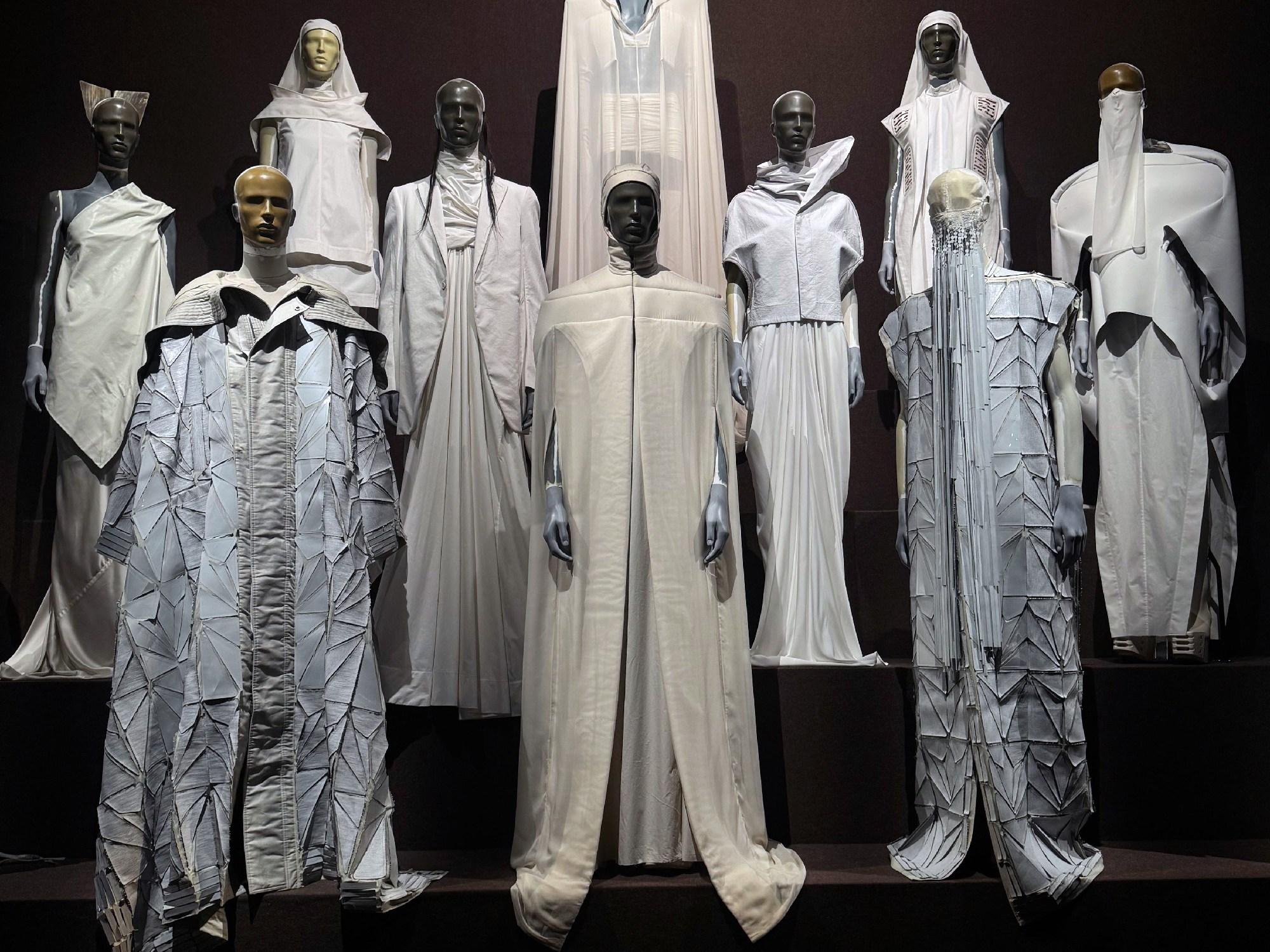
As someone writing from Monaco with a passion for high fashion’s darker, more intellectual corners, I urge every discerning reader to make their way to Paris and experience Rick Owens: “Temple of Love” at Palais Galliera. This retrospective transforms the venerable museum into something sacred, sculptural, and unsettlingly poetic. Running until 4 January 2026, this exhibition is arguably the defining fashion event of the year.
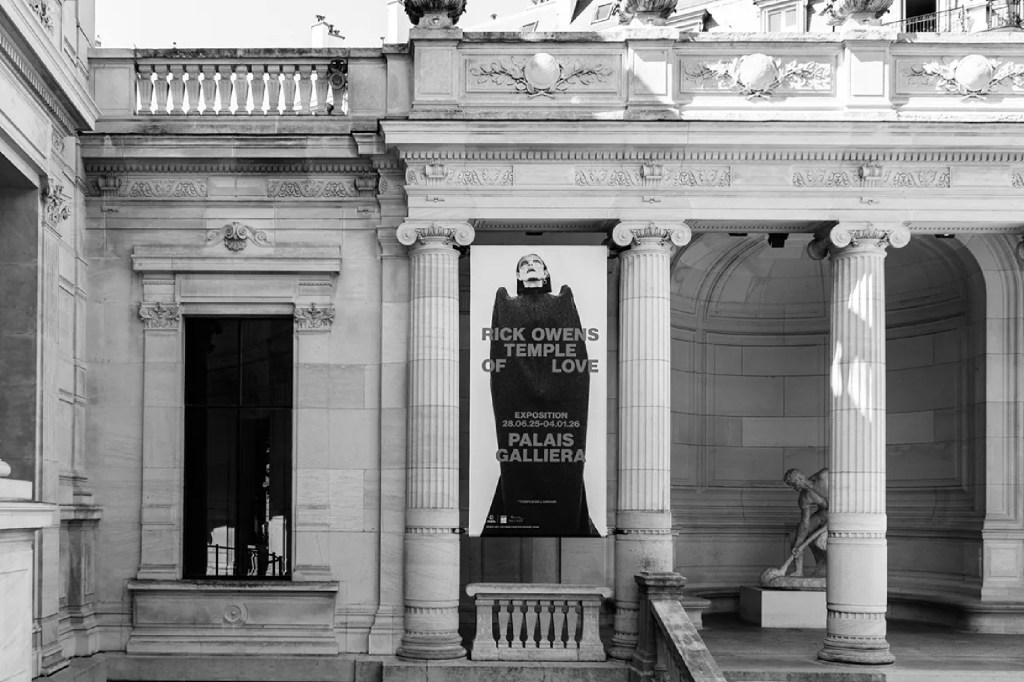
Ritual, Rebellion & Retrospective: A Journey Through Rick Owens’s Universe
Entering the first gallery, one is plunged into dim light, fabrics drape the walls like temple curtains, and alcoves framed like chapels spotlight early pieces that date back to Rick Owens’s Los Angeles origins. These garments, rough-hewn, often repurposed from army blankets, leather, or jersey, recall the grit of underground subcultures, but in the hushed solemnity of the museum, they take on the weight of ritual garments. The designer’s signature “dust” grey casts a spiritual glow over the space, and each silhouette, soft yet severe, romantic yet confrontational, feels like a garment exorcising norms.
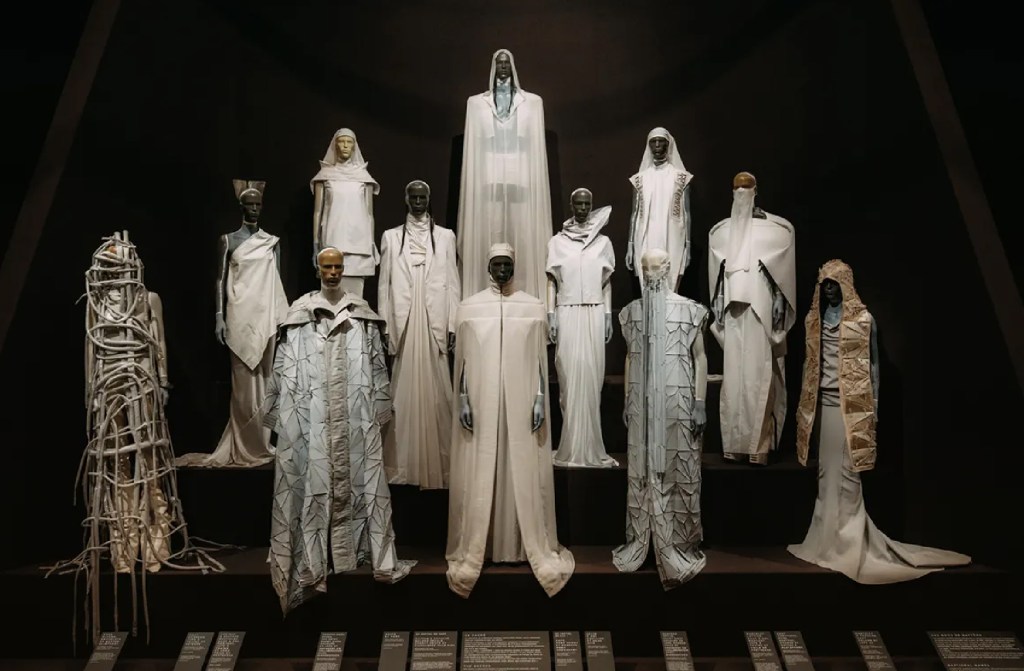
As the path unfolds, Rick Owens guides you chronologically through decades of innovation. You witness the transformation of rough Americana into Rick Owens’s later Paris-era vocabulary, elongated coats, bias-cut drapings, leather stretched into sculptural forms. Some pieces evoke the austere geometry of brutalist architecture, as if the body itself were being recast in concrete and memory.
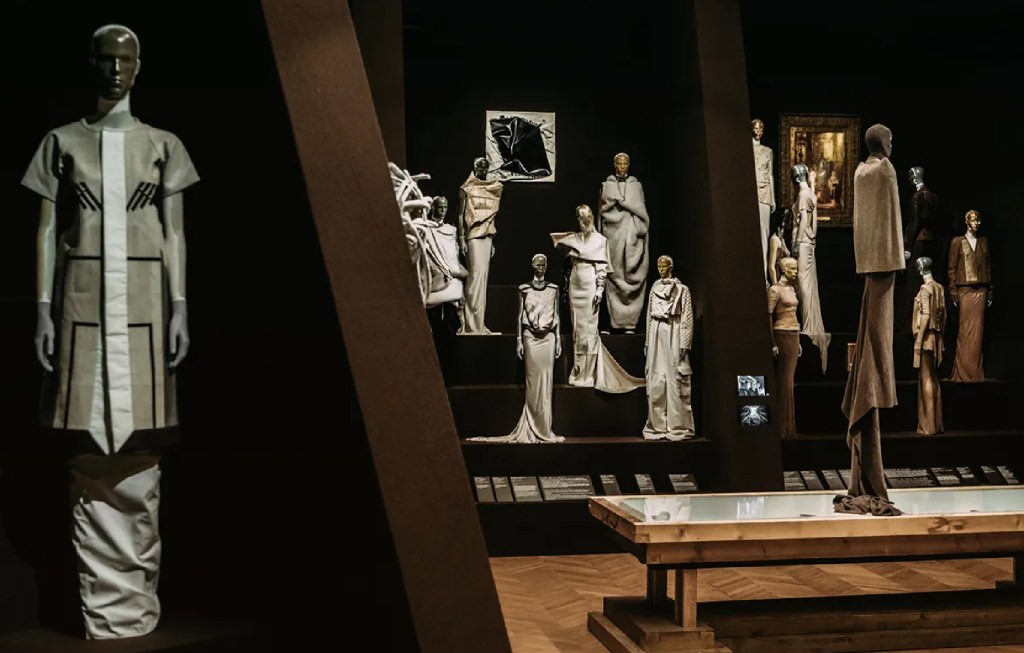
But this is more than a display of garments. Scattered among the clothing are artworks by the likes of Gustave Moreau, Joseph Beuys, and Steven Parrino, each echoing Rick Owens’s sources of inspiration, threading together fashion, contemporary art, myth, and decay.

And behind the exhibit lies a deeply personal narrative. A faithful reconstruction of the Los Angeles bedroom shared by Rick Owens and his muse spouse Michèle Lamy offers an intimate glimpse into the private world that seeded much of his creative energy. Through that intimate mise-en-scène, the exhibition becomes less a “greatest hits” show than a meditation on identity, love, devotion, rebellion, and transformation.
Sculpture, Space & the Sacred: Fashion as Monument
What distinguishes “Temple of Love” from a typical retrospective is the scale and ambition of its staging. Rick Owens doesn’t simply display clothes, he builds a world. Outside the museum, statues on the façade are draped in sequined fabric, inside, thirty cement sculptures in the garden, brutalist and stark, evoke his furniture line and anchor his work in a physical, architectural reality.
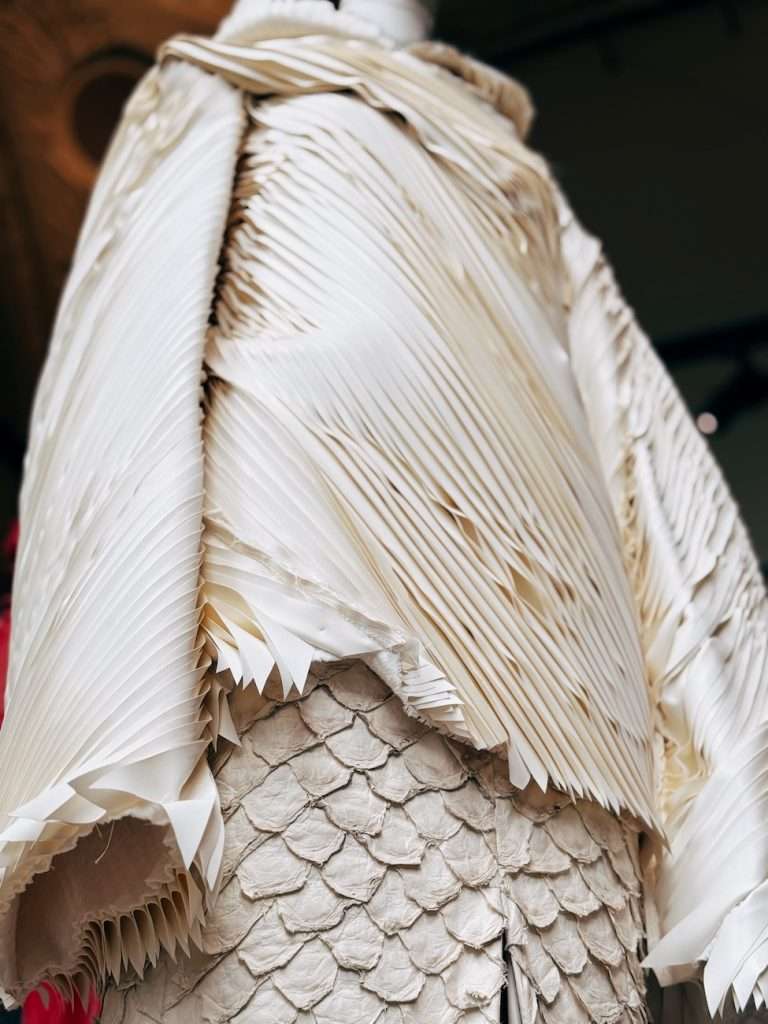
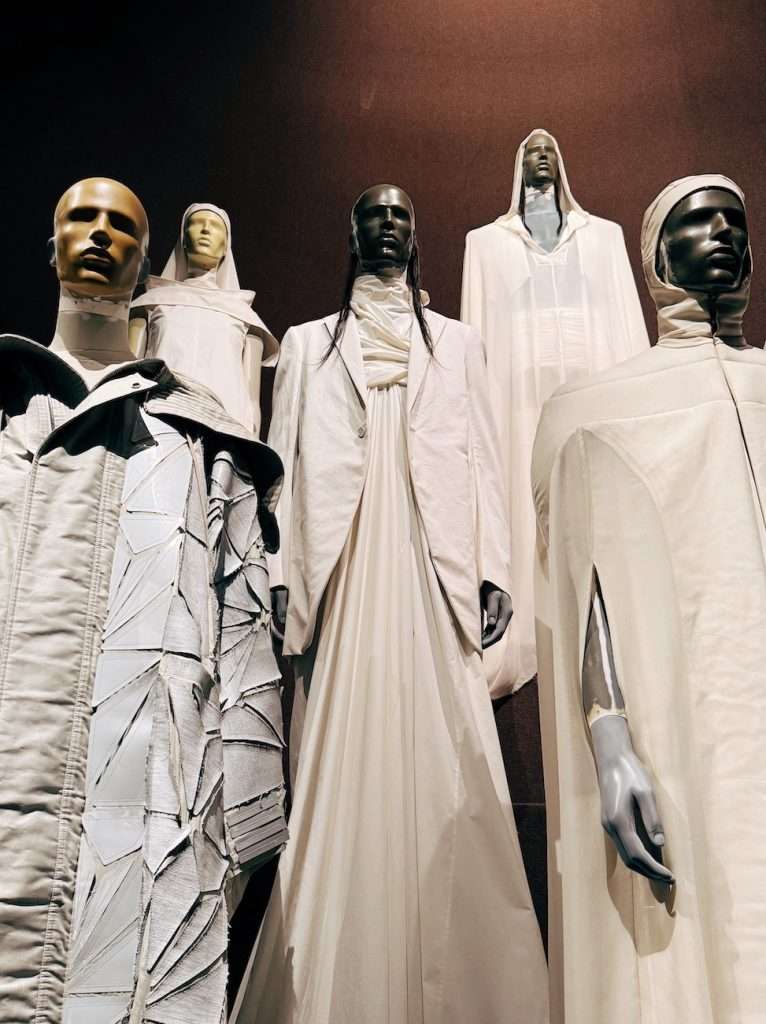
Walking through the exhibition feels like traversing a temple of ritual and metamorphosis. The structure of the show, dark, spiritual alcoves giving way to lighter, more expansive galleries, mirrors the arc of personal and artistic evolution. As the evening light filters through the museum, the leather, suede, and distressed textiles seem to breathe, to settle, to insist they belong not in a closet, but in history.
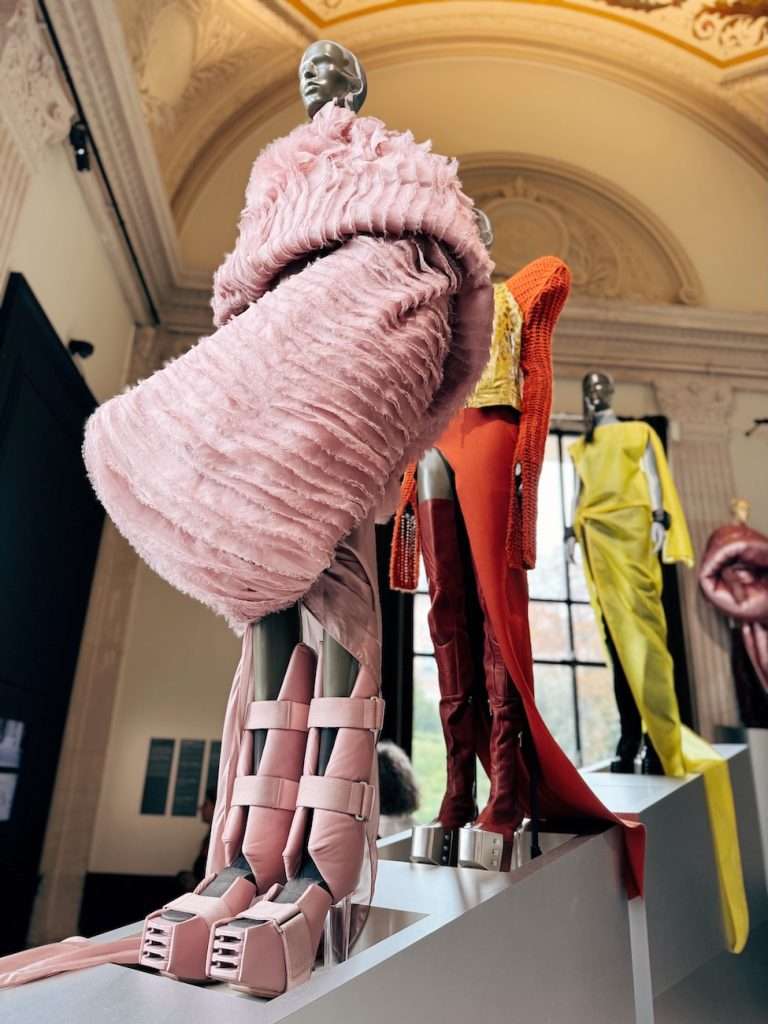
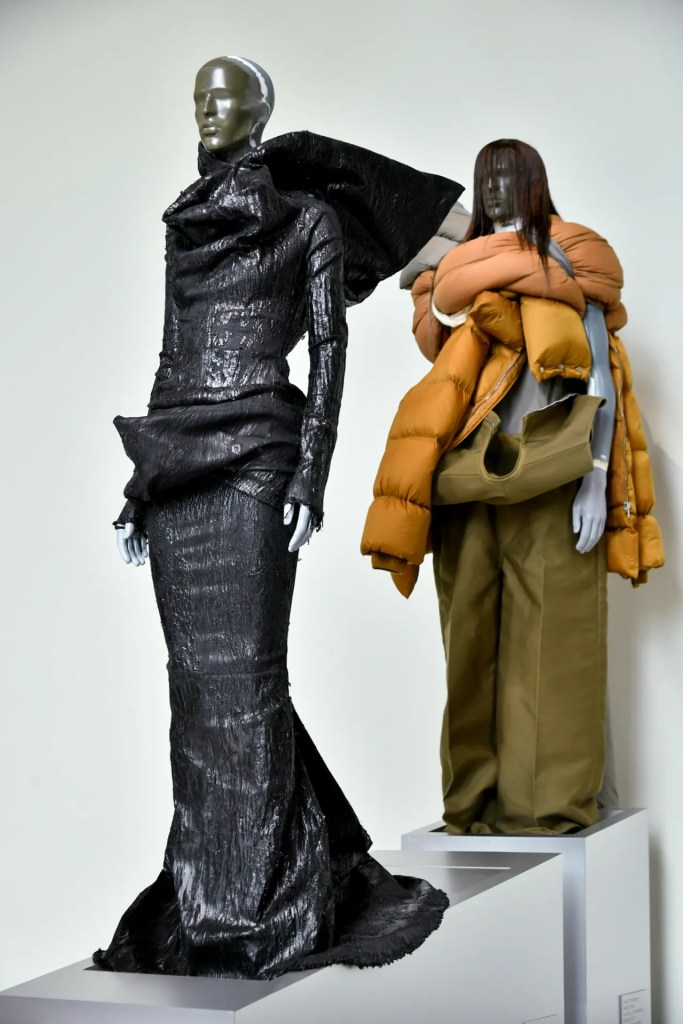
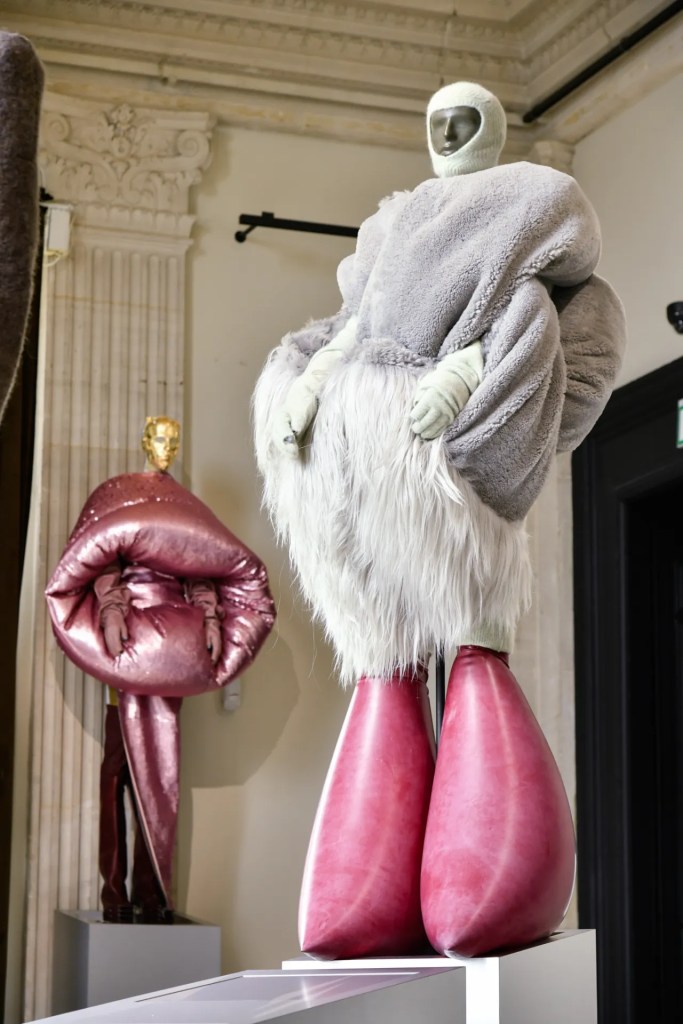
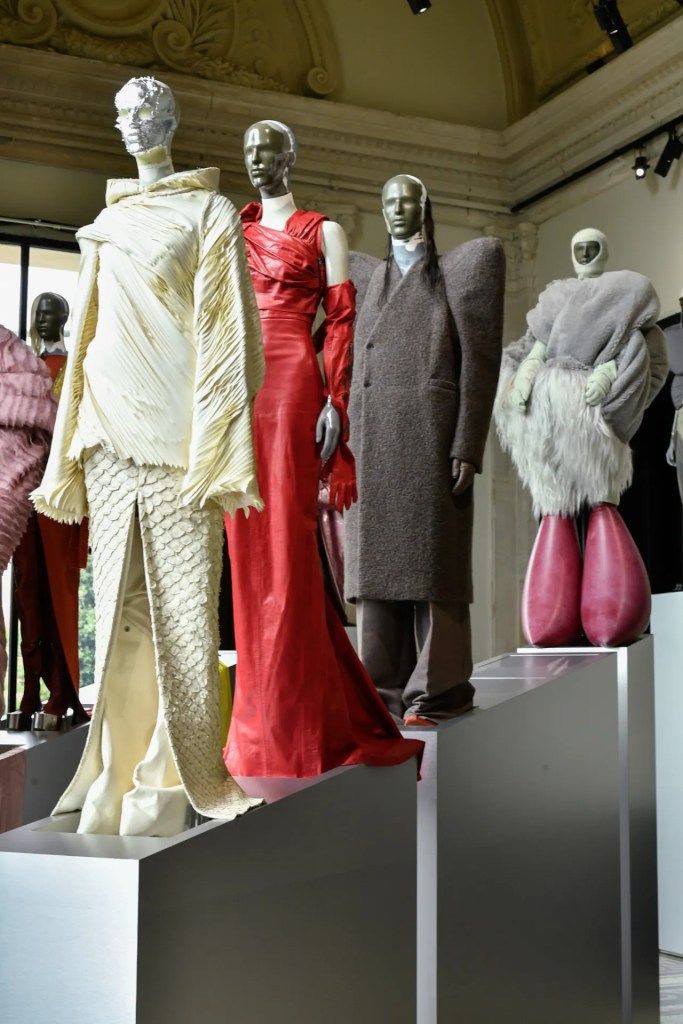
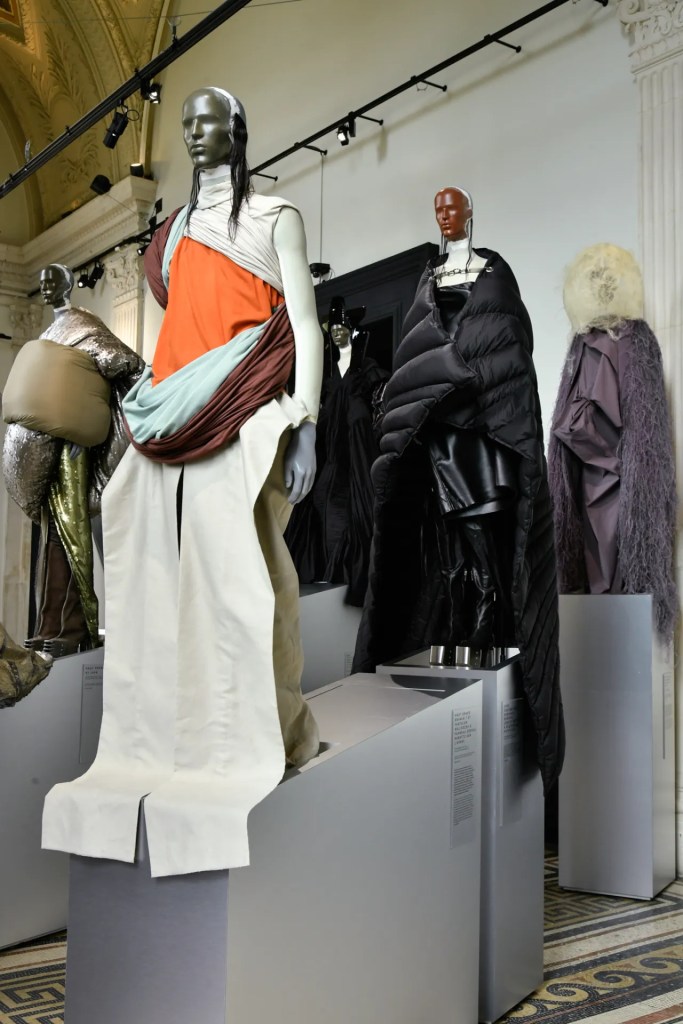
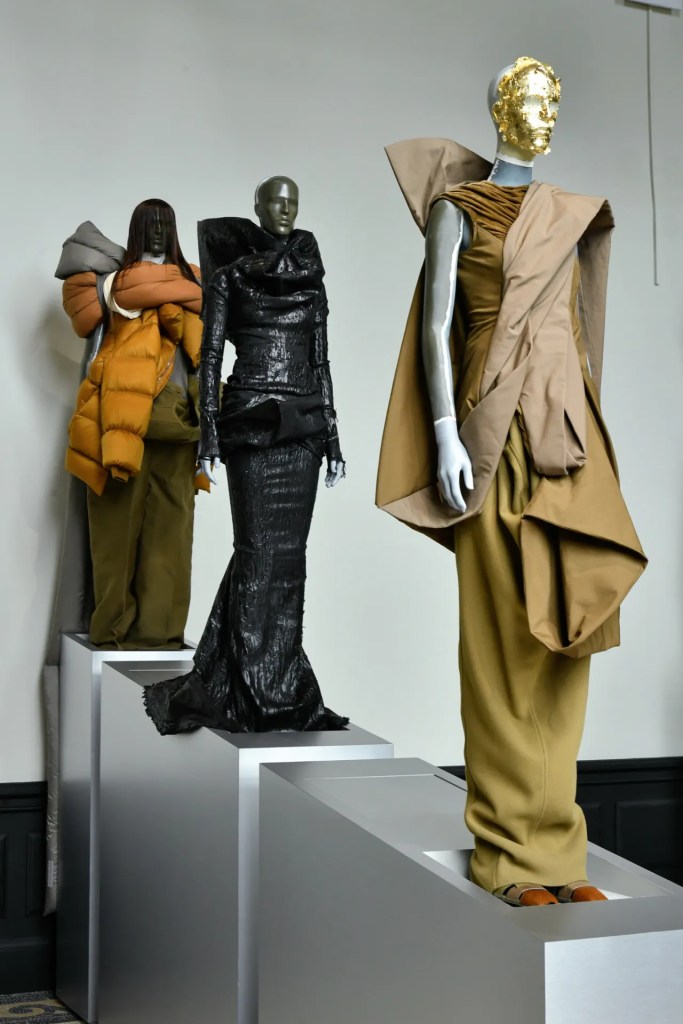
In that sense, you don’t just view fashion, you encounter it. You feel it as architecture, as myth, as identity. The silhouette becomes flesh and stone, the garment becomes history.
Why “Temple of Love” Matters, and Why You Should See It
For connoisseurs of fashion and lovers of the avant-garde, this exhibition is a rare opportunity. More than 100 silhouettes spanning three decades, personal documents, video installations, artworks, and an immersive recreation of intimacy, this is an archive, but also a living, breathing world.
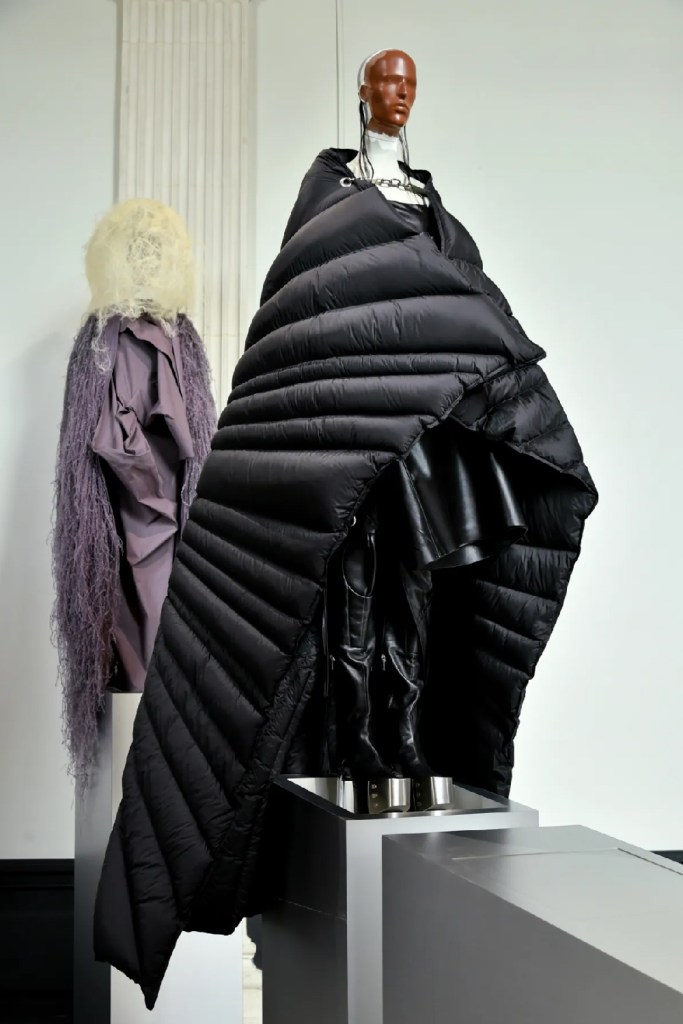
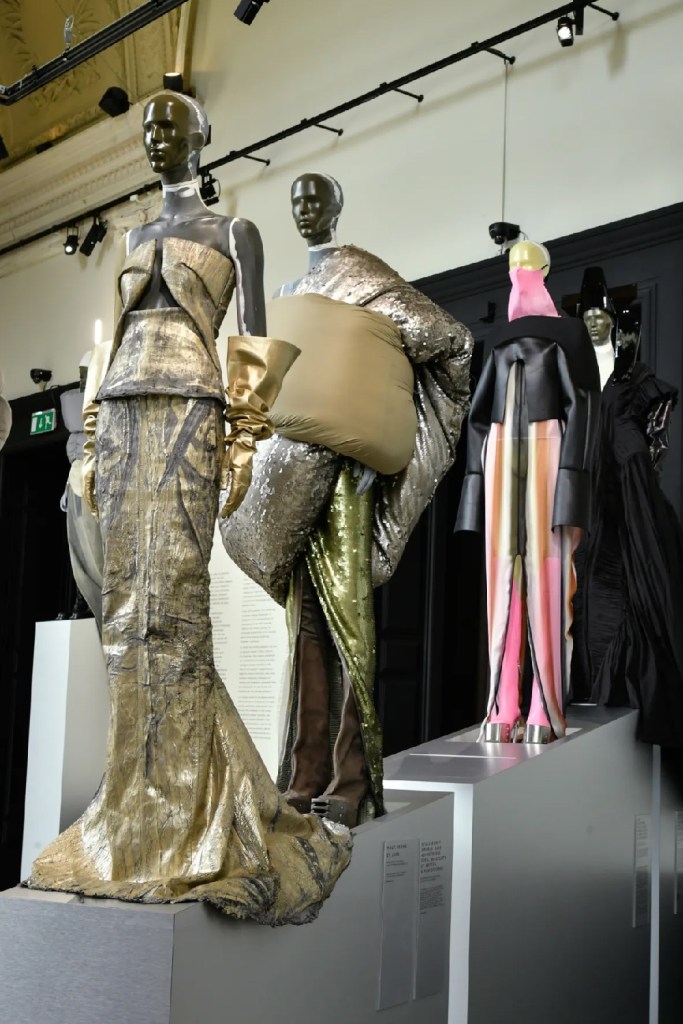
This show doesn’t celebrate convenience or commerce. It celebrates disruption. It speaks to those who understand that true style is never about comfort or consensus, but about conviction, identity, and metamorphosis. For those of us accustomed to the polished calm of Monaco, “Temple of Love” feels like a daring plunge into another realm, all the more necessary for it.
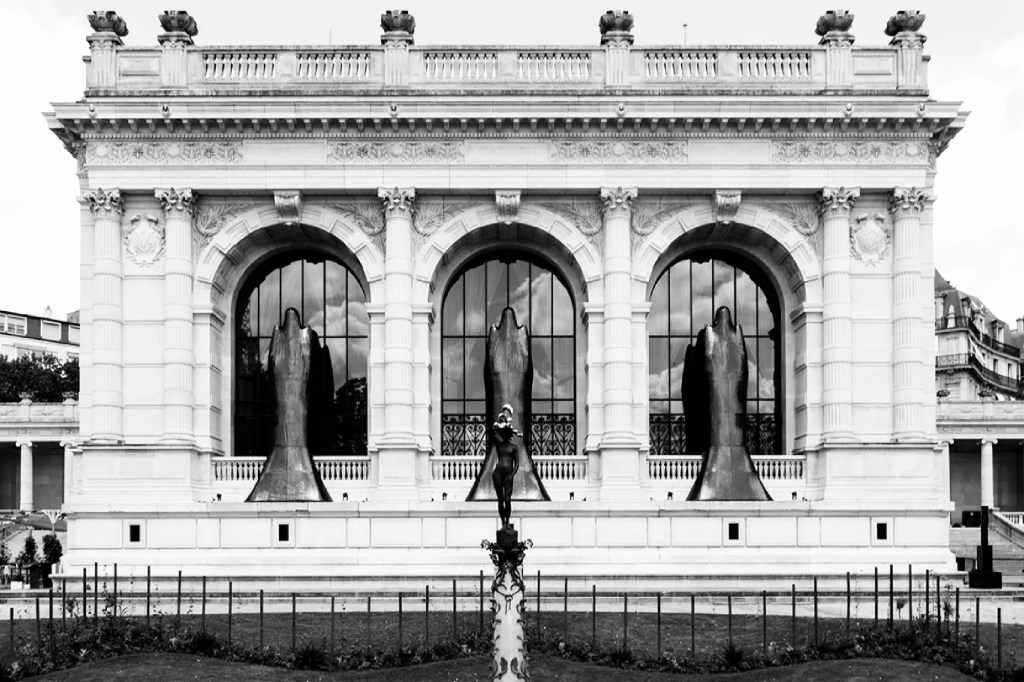
If you value fashion as art, as social commentary, as ritual, as architecture, then “Temple of Love” is not just an exhibition. It is an act of devotion. For anyone willing to step into the shadows, to question comfort and conformity, and to embrace beauty in its rawest, most radical form, this is a pilgrimage worth making.
by Olga Barrale

