There are evenings in Monaco that feel meticulously orchestrated, and then there are those that unfold with an effortless sense of cultural precision; where fashion, cinema, and place converge into something quietly memorable. The private avant-première of Le Cri des gardes, hosted by Saint Laurent at the Théâtre Princesse Grace, belonged unmistakably to the latter category.
From the moment Saint Laurent Monaco guests began to arrive, the tone was set not through spectacle, but through cohesion.
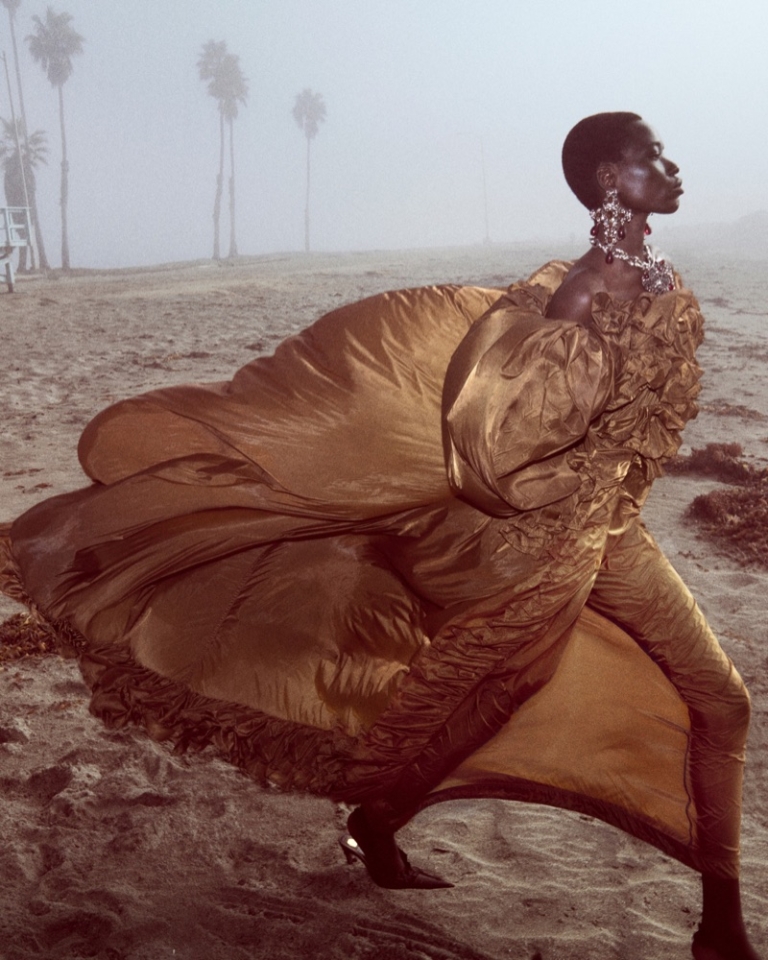
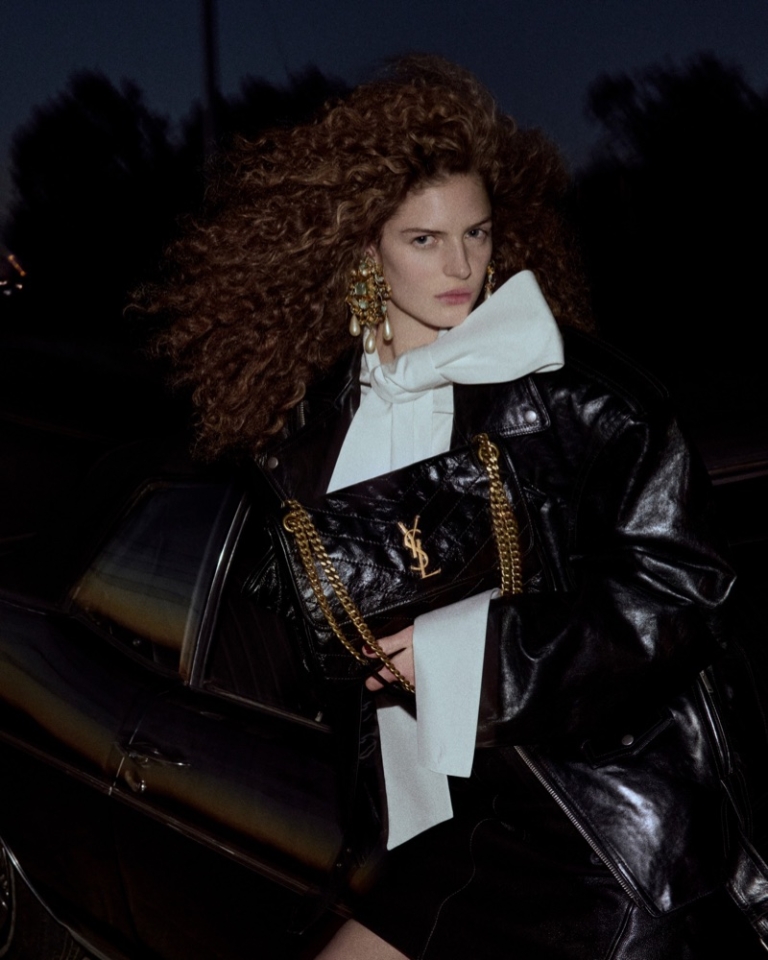
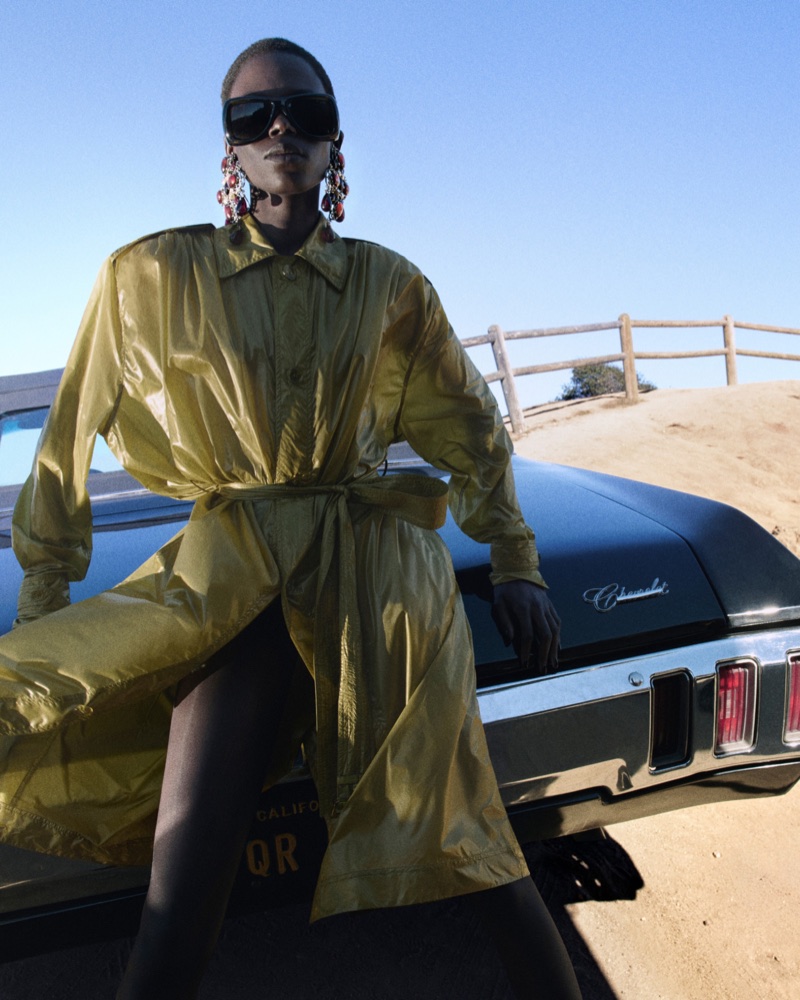
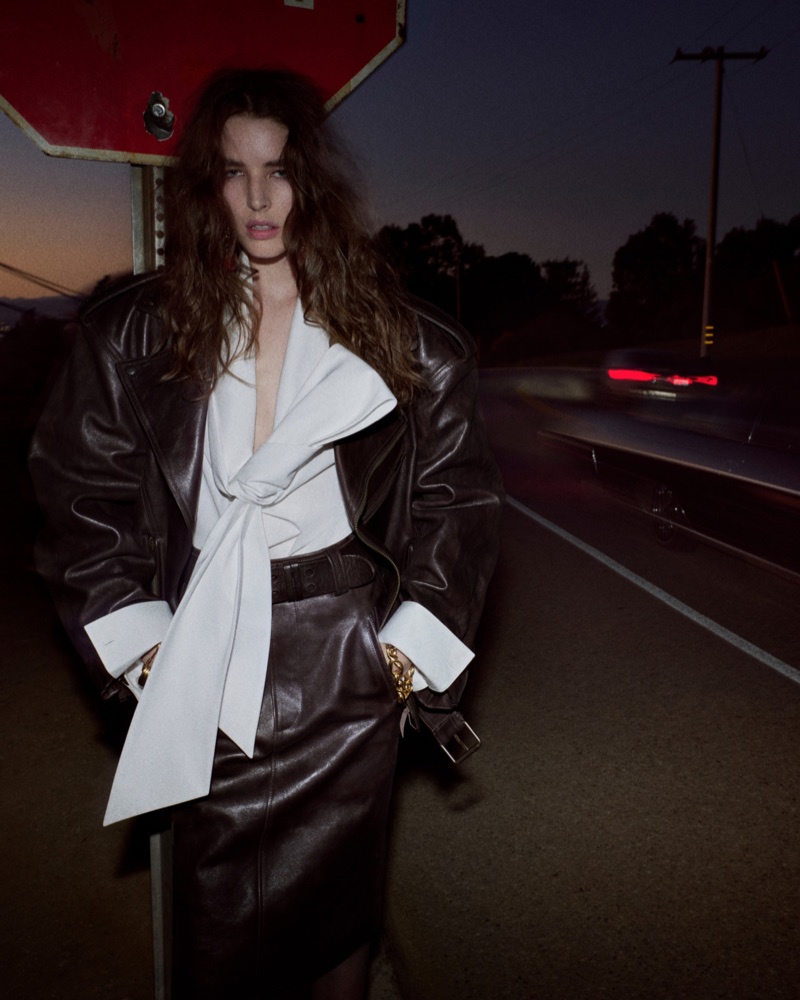
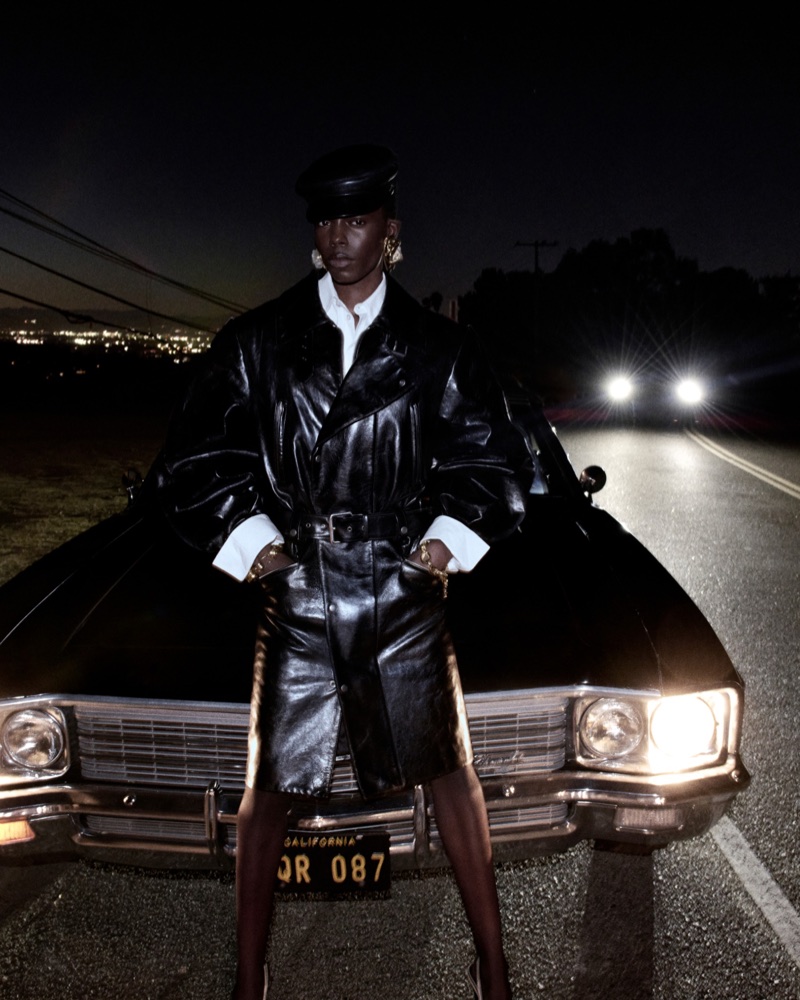
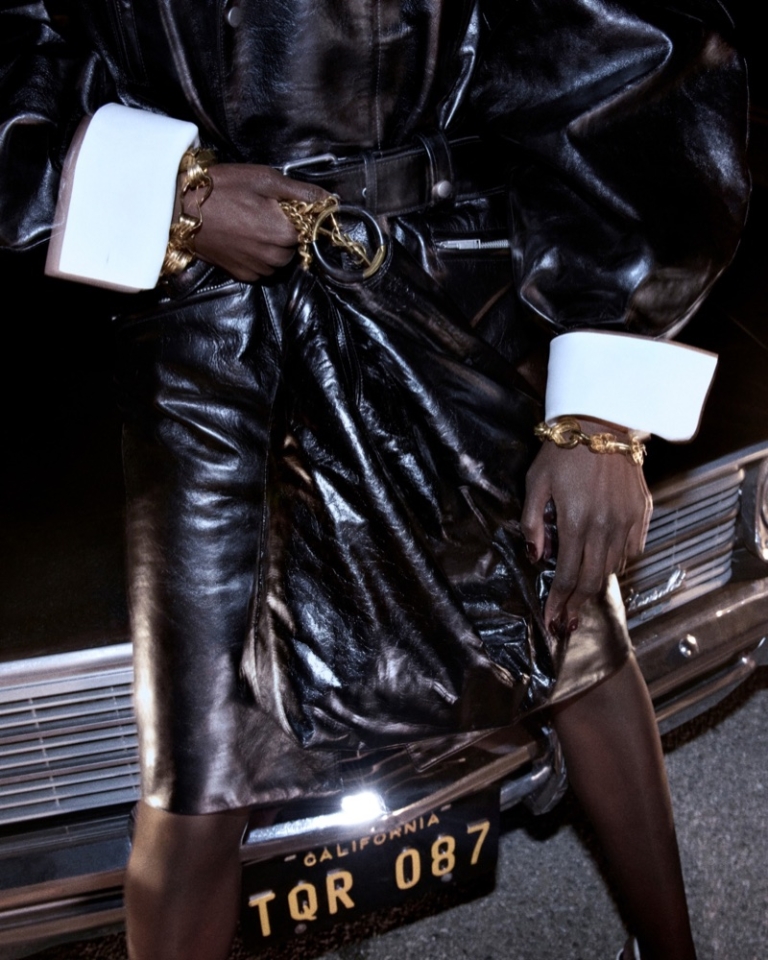
The invitees — longtime patrons and loyal clients of the house — embodied the evening’s aesthetic language themselves. Leather, in its many interpretations, dominated: sharply tailored coats, fluid trousers, sculptural dresses. Gold punctuated the silhouettes with restraint: cuffs, chains, and hardware catching the low light of the theater foyer. It was less about display and more about alignment, as though the collection had extended beyond the runway and into lived experience.
The reception was deliberately understated. Champagne circulated in slender flutes; popcorn, a playful nod to cinematic ritual, was served without irony. Conversations hovered between fashion, art, and the anticipation of the screening. Monaco’s social rhythm, often characterized by overt luxury, felt recalibrated here into something more introspective, more attuned to creative expression than to excess.
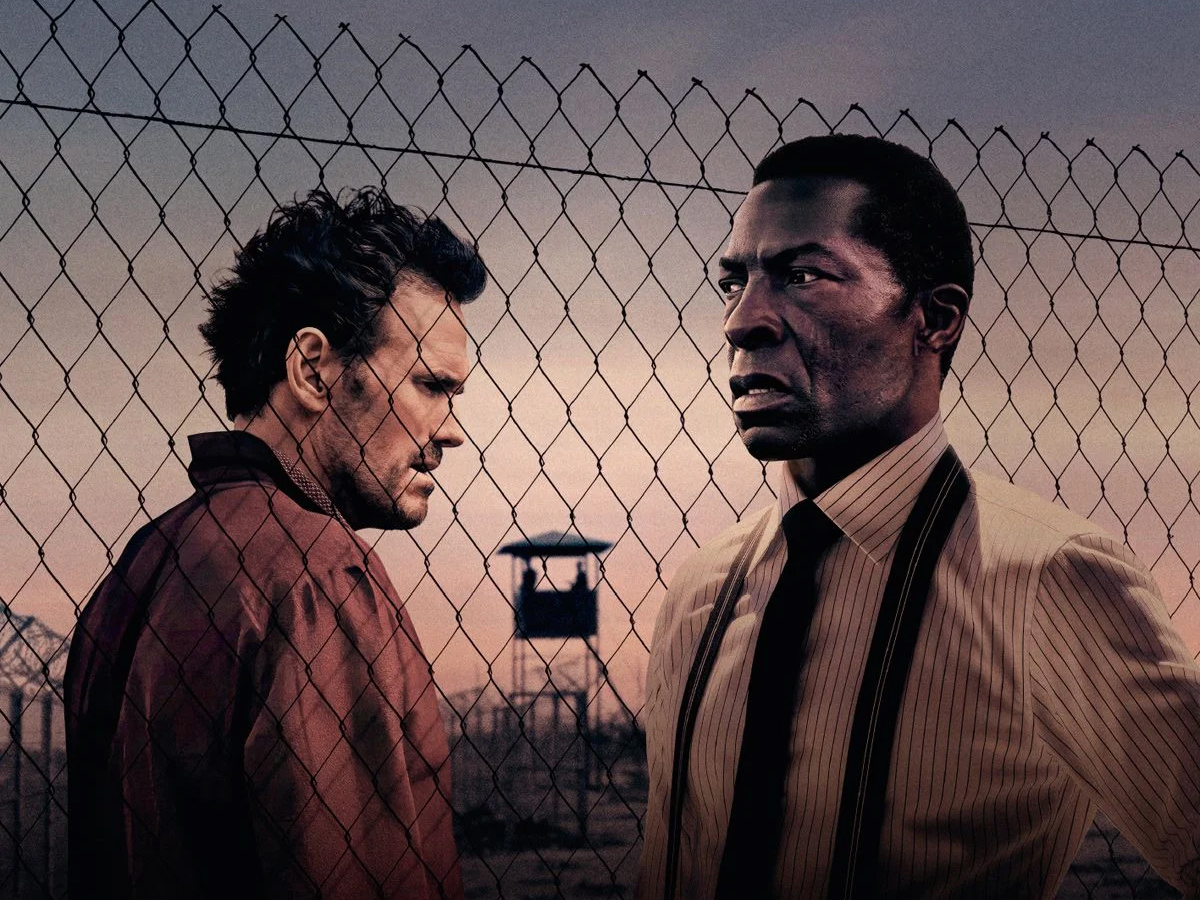
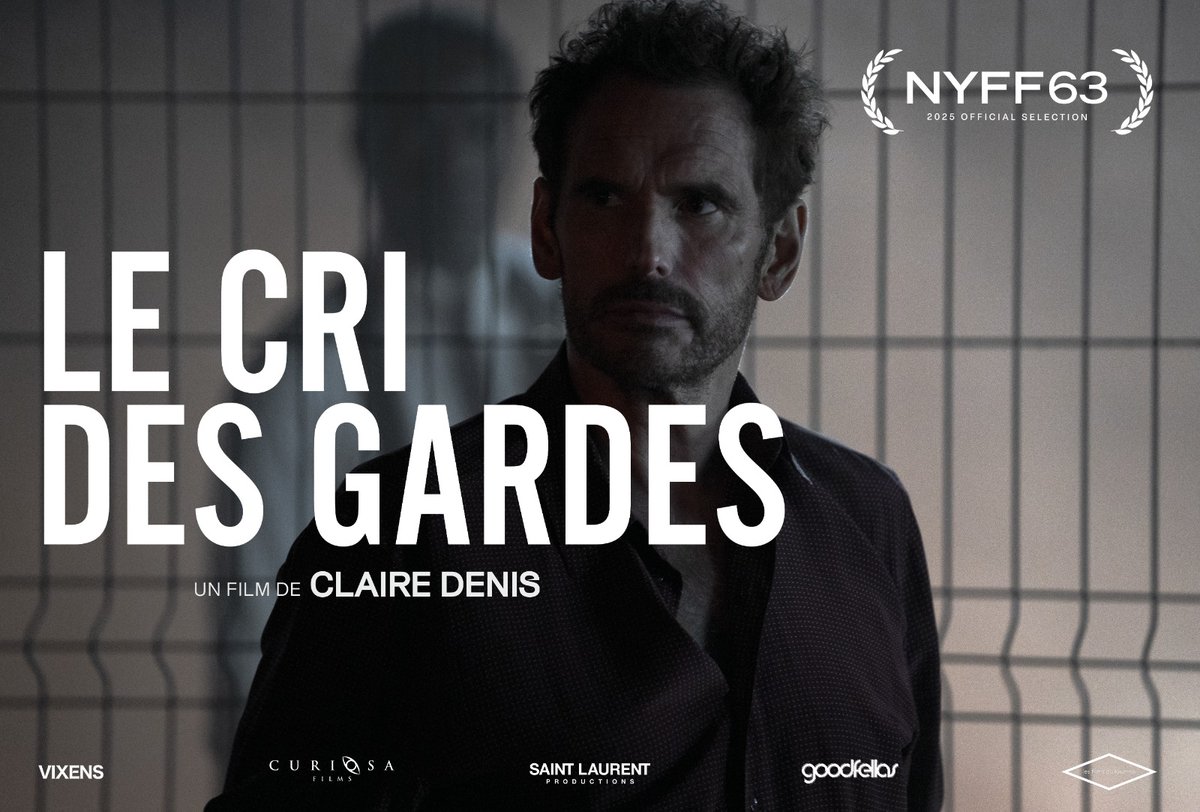
At the center of the evening was Le Cri des gardes, a film that resists easy categorization. It is atmospheric rather than narrative-driven, privileging mood, texture, and silence over exposition. The pacing is deliberate, at times almost confrontational in its refusal to conform to conventional storytelling arcs. Yet this is precisely where its strength lies. The film invites the viewer to inhabit its world rather than consume it passively.
Saint Laurent Productions, the cinematic arm of the house, has been steadily refining this approach—treating film not as an extension of marketing, but as an autonomous creative discipline. Their projects occupy a space between fashion and auteur cinema, often collaborating with directors who bring distinct visual languages. The result is work that feels less like branded content and more like a curated contribution to contemporary film culture.
This philosophy was evident throughout Le Cri des gardes. The visual composition bore the unmistakable imprint of fashion sensibility—precise framing, an acute awareness of movement and material, and a near-obsessive attention to light. Yet it never tipped into self-referentiality. Clothing existed within the film as part of its environment, not as its focal point.
The involvement of Anthony Vaccarello is central to understanding this balance.
Since assuming creative direction at Saint Laurent, Vaccarello has demonstrated a consistent interest in narrative—how garments can suggest character, tension, and identity. His work often explores dualities: strength and vulnerability, structure and fluidity, opacity and revelation.
In cinema, these preoccupations translate seamlessly. Vaccarello’s role in Saint Laurent Productions is not that of a traditional producer; rather, he operates as a curator of sensibility. He selects collaborators, shapes the visual direction, and ensures that the projects remain anchored in a coherent aesthetic universe. With Le Cri des gardes, this approach manifests in a film that feels both cohesive and open-ended—disciplined in its execution, yet generous in its interpretive possibilities.
The choice of Monaco as the setting for this private screening was, in itself, a statement.
The principality is no stranger to exclusivity, but it is less frequently associated with experimental or boundary-pushing cultural programming. By hosting such an event at the Théâtre Princesse Grace, Saint Laurent effectively reframed the expectations of its audience. The evening was not about spectacle in the conventional sense, but about engagement—inviting guests to participate in a different kind of luxury, one rooted in thought and perception.
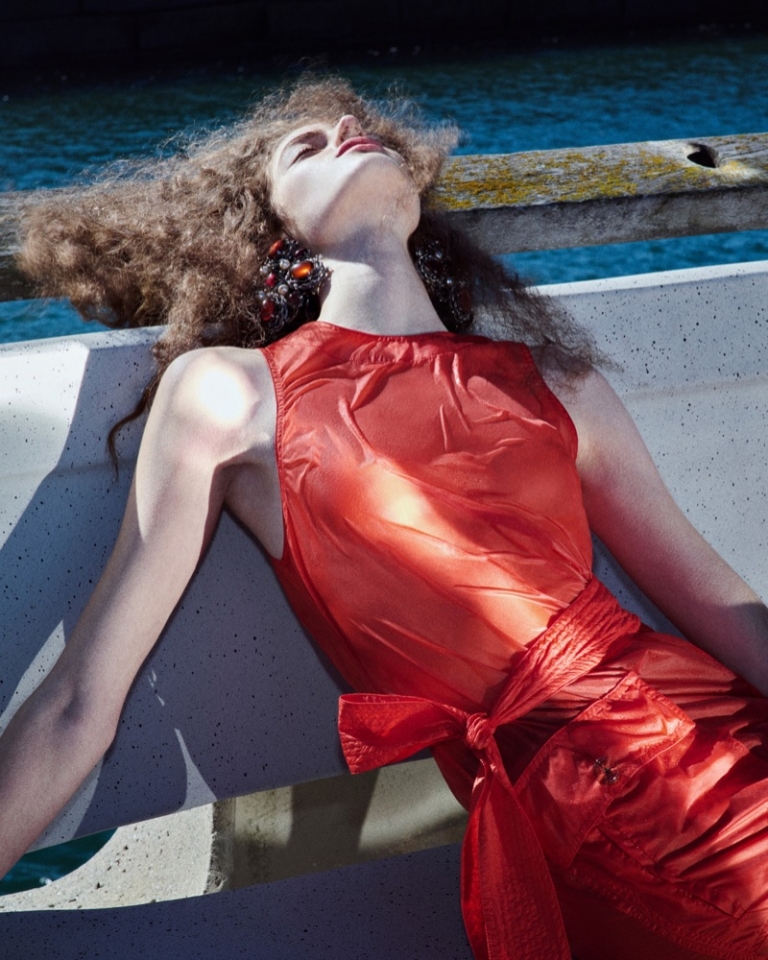
This shift was mirrored in the presentation of the latest collection worn by attendees. Leather, long a signature material for Saint Laurent, was reinterpreted with notable nuance. It appeared softened, almost pliable, shaped into silhouettes that moved with the body rather than constraining it. The interplay with gold accessories introduced a subtle tension—hardness against fluidity, weight against lightness.
There is a temptation to read such design choices purely through the lens of trend, but in this context, they felt more like an extension of the house’s ongoing dialogue with form and identity. Vaccarello’s Saint Laurent is less concerned with seasonal novelty than with refining a vocabulary—returning to familiar elements and rearticulating them with incremental shifts in proportion, texture, and intent.
What made the evening particularly resonant was the absence of overt promotion. There were no speeches positioning the film as a milestone, no overt cues directing the audience’s response. Instead, there was an implicit trust in the work itself—in its ability to engage, to provoke, to linger. This restraint is, arguably, what distinguishes Saint Laurent Productions within the broader landscape of fashion-led creative initiatives.
In a city where experiences are often calibrated for immediate impact, the screening of Le Cri des gardes offered something rarer: a moment of pause. As guests filtered out of the theater, conversations resumed, but at a different cadence. There was less emphasis on spectacle, more on interpretation—on what had been seen, felt, and perhaps not entirely understood.
This is where the evening’s significance ultimately resides. It was not about redefining Monaco’s cultural identity in a sweeping sense, but about introducing a subtle inflection—demonstrating that luxury can accommodate introspection, that exclusivity need not preclude experimentation. Through its cinematic endeavors and its evolving design language, Saint Laurent is quietly expanding the parameters of what a fashion house can represent.
And in doing so, it offers its audience—particularly in a place like Monaco—not just something to attend, but something to consider.

