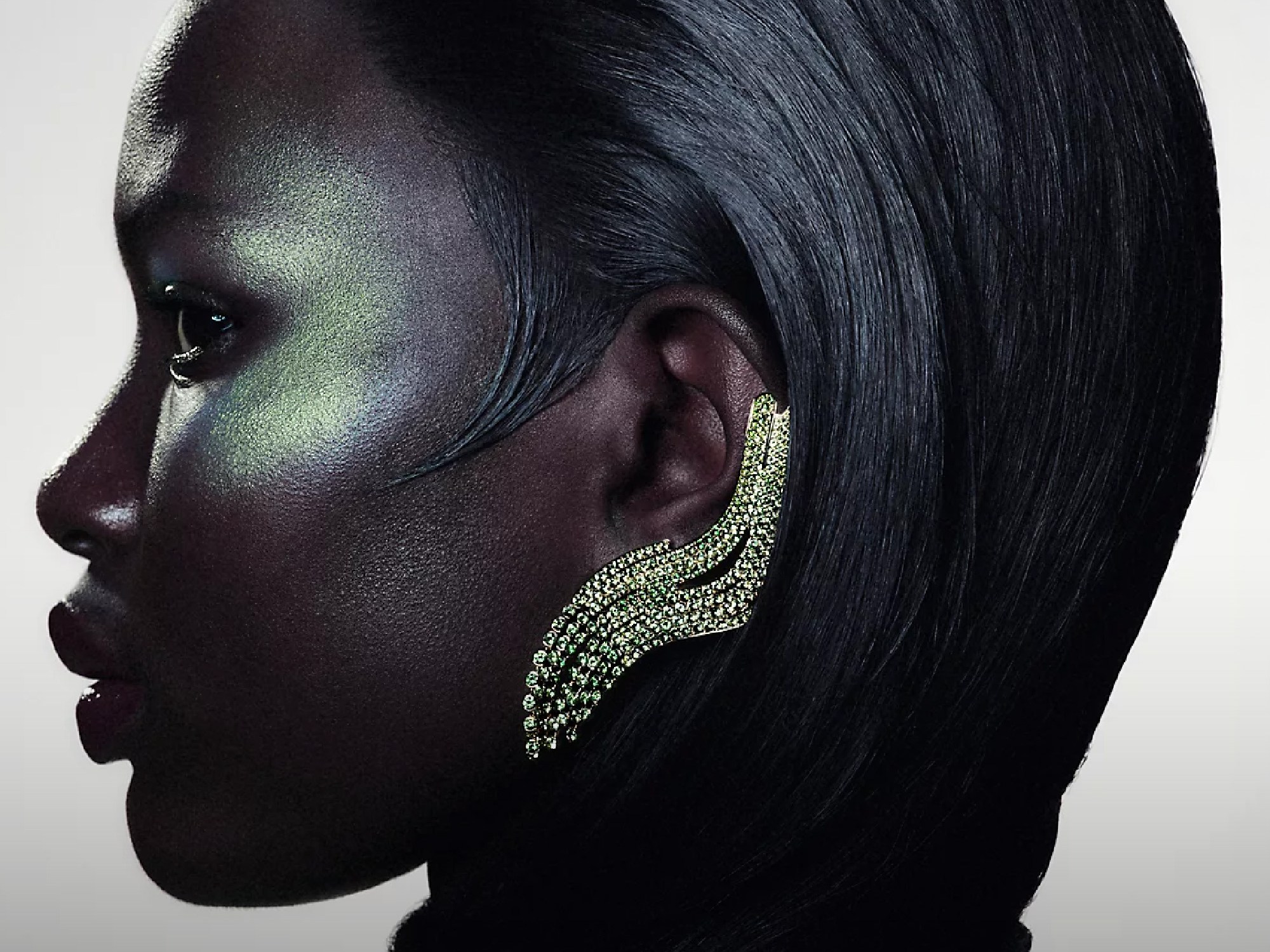
Hermès Haute Bijouterie: A Different Definition of High Jewellery
The term “haute bijouterie” itself signals that Hermès deliberately positions its jewellery outside traditional definitions of haute joaillerie. While most high jewellery houses begin with exceptional gemstones, Hermès reverses that hierarchy: design, form, and concept come first, with stones integrated into a broader artistic vision.
This approach can be traced back to the house’s origins. Founded in 1837 as a harness workshop, Hermès built its identity on craftsmanship, functionality, and material integrity before entering jewellery much later. The jewellery division, formally developed in the 2000s under creative director Pierre Hardy, reflects this legacy by prioritising structure and design language over ostentatious display.
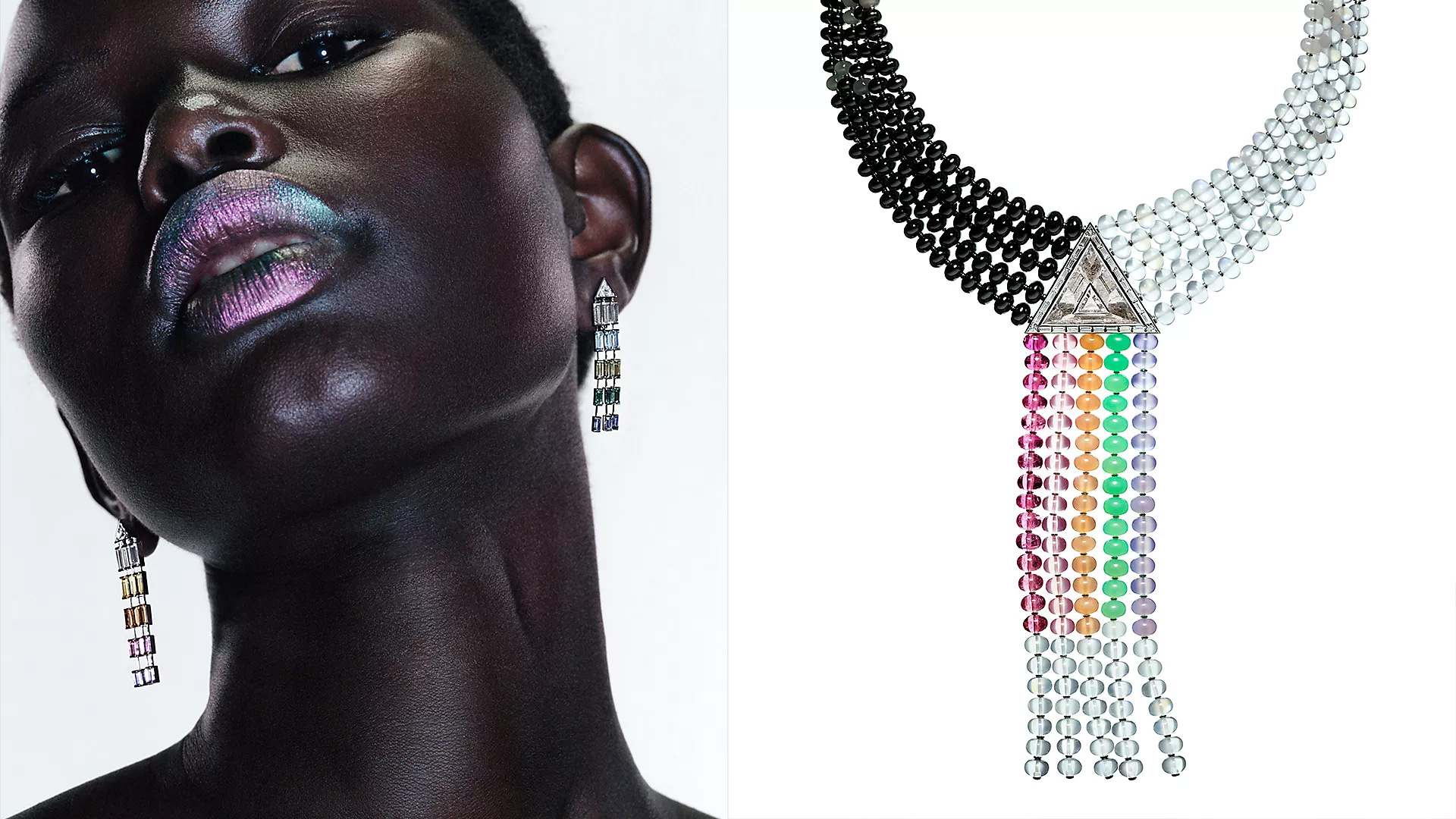
In review terms, this is both the strength and limitation of Hermès haute bijouterie. It offers a conceptual alternative to more gem-centric maisons like Cartier or Van Cleef & Arpels, but may feel less immediately “precious” to those expecting maximalist brilliance.
Colour as a Structural Language
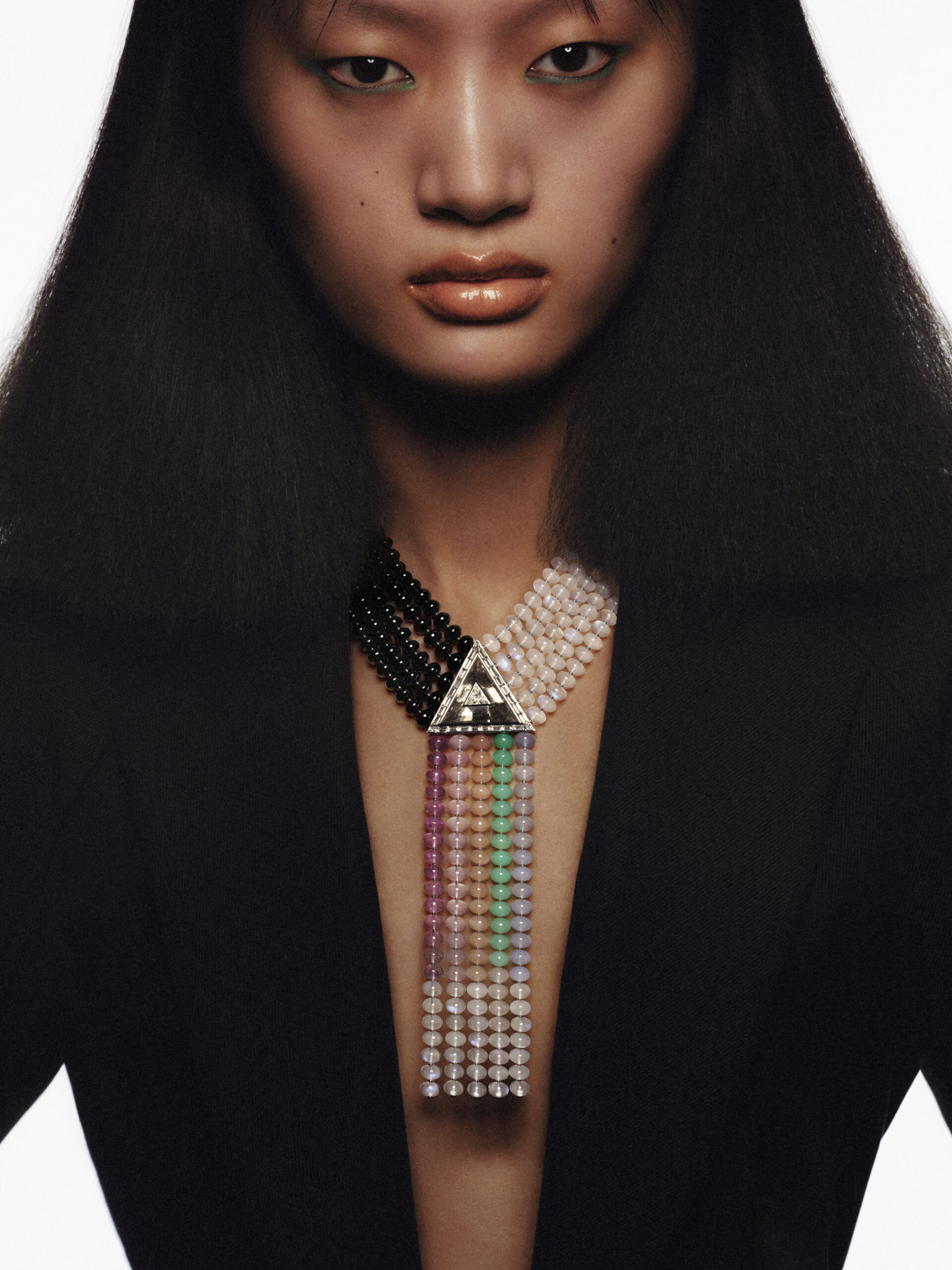
The current Hermès haute bijouterie collections, particularly Les Formes de la Couleur, centre on a striking premise: colour is not decorative, but structural. According to Pierre Hardy, the goal is to “express colour in shapes” and build an independent identity around it.
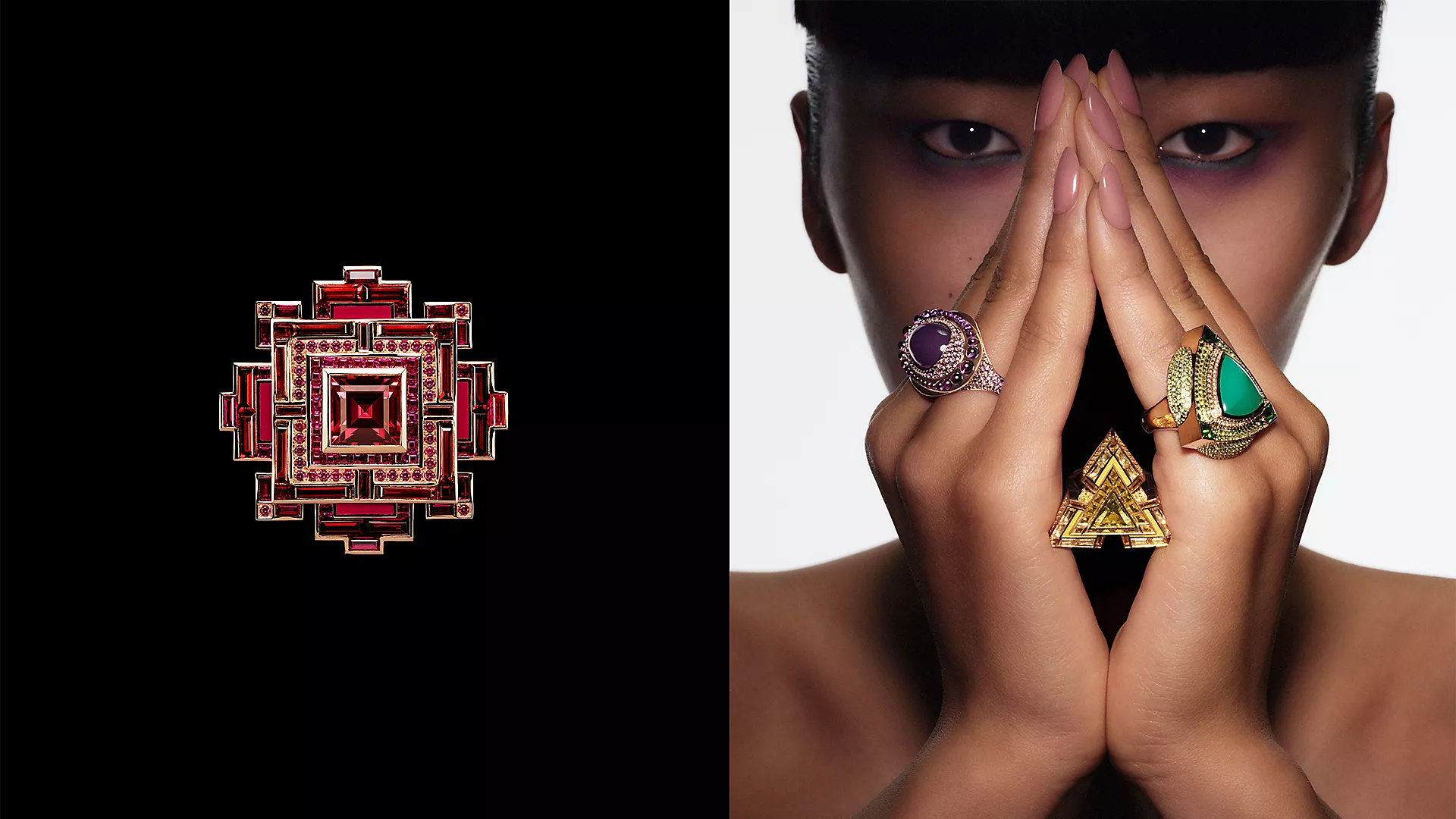
Rather than using gemstones purely for rarity, Hermès treats them as visual elements in a system of perception. Rubies, sapphires, and beryls are assigned geometric roles—square, circle, triangle—creating a quasi-theoretical framework linking colour and form.
This conceptual layering distinguishes the collection from conventional high jewellery. Pieces such as those in the Fresh Paint chapter simulate brushstrokes using carefully set stones, while others create optical effects through light diffraction and material contrast.
From a critical standpoint, this emphasis on colour theory and perception elevates the work intellectually, but it can also distance it emotionally. Unlike narrative-driven collections (common in high jewellery), Hermès leans toward abstraction, which may not resonate equally with all collectors.
Architectural Forms and Technical Execution
A defining characteristic of Hermès haute bijouterie is its architectural sensibility. Pieces are described as “hypnotic” and “architectural,” often built around geometric precision and engineered articulation.
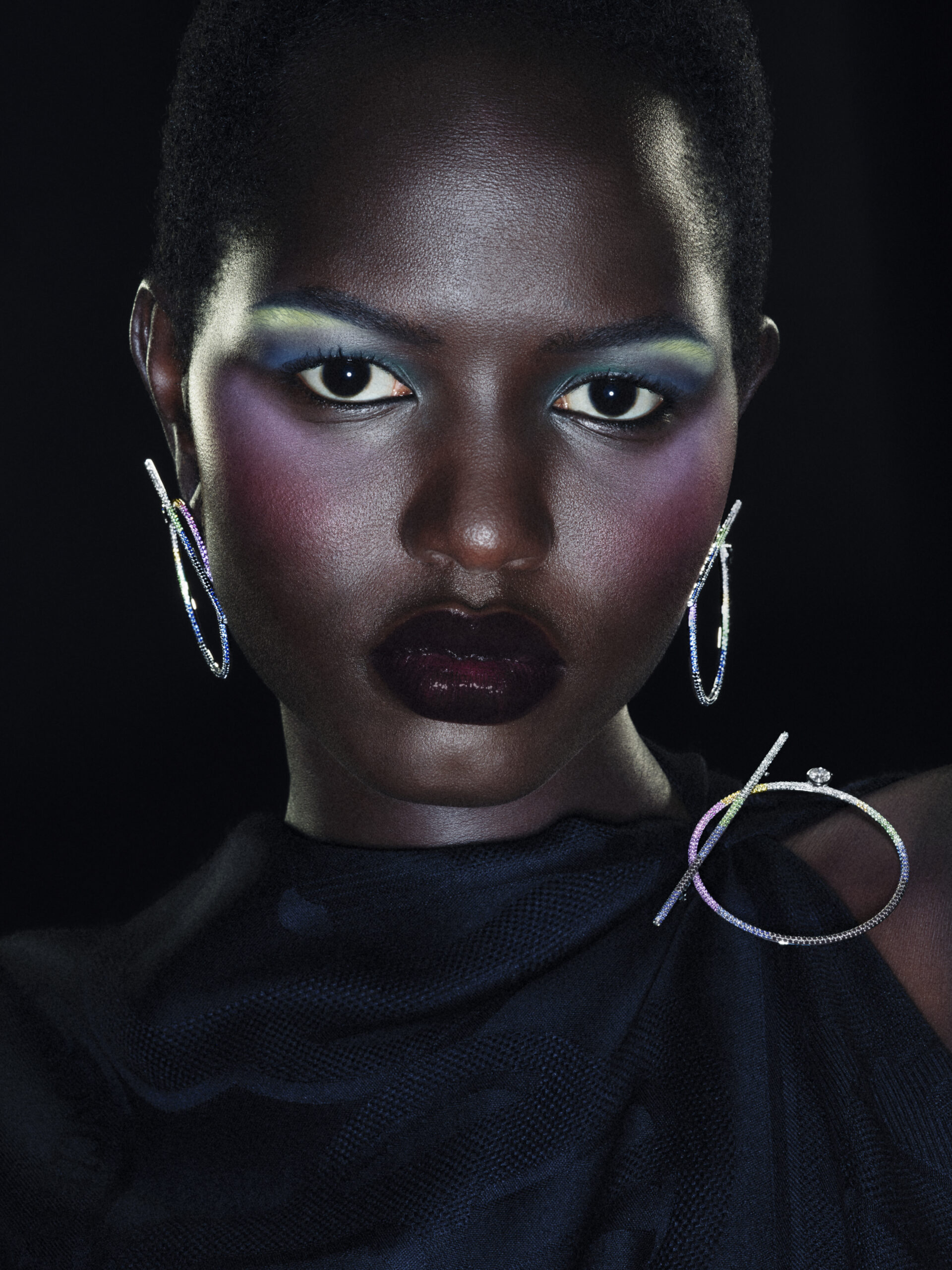
Collections such as Supracolor explore the physics of light, translating optical phenomena into gemstone arrangements, while Arc en couleurs introduces flexible, articulated structures designed to follow the body’s movement.
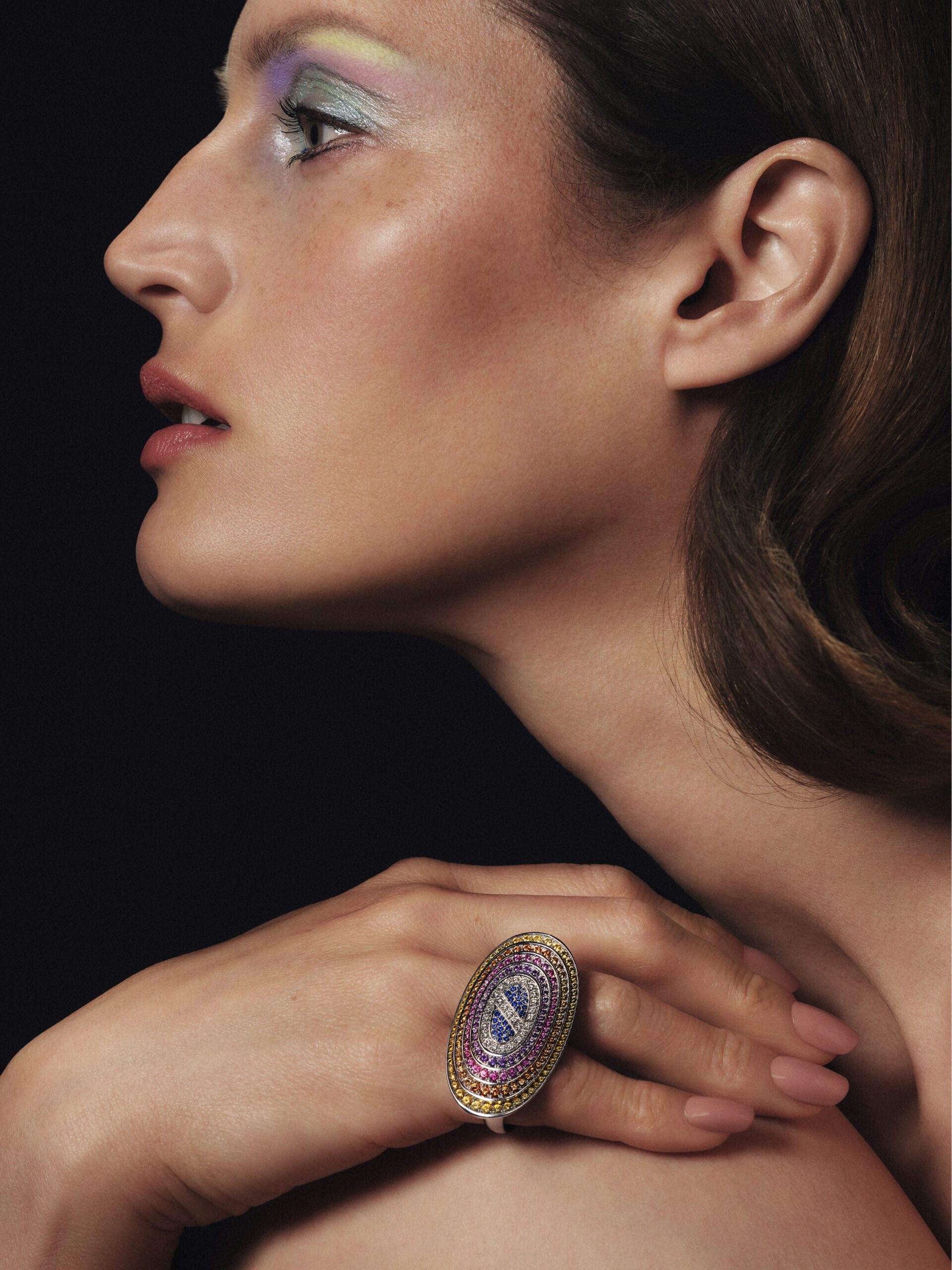
This technical ambition is significant. Unlike static high jewellery, Hermès frequently experiments with movement, modularity, and structural complexity. The craftsmanship required—particularly in stone setting and articulation—demonstrates a high level of technical expertise consistent with leading jewellery houses.
However, the aesthetic outcome remains distinctly Hermès: controlled, graphic, and often restrained. Even when highly complex, the pieces avoid excessive ornamentation. This reinforces the brand’s broader philosophy of discreet luxury, but again may divide opinion among those who equate high jewellery with opulence.
Heritage Influence vs Contemporary Experimentation
Hermès jewellery cannot be fully understood without considering its heritage. Historically, the brand has drawn inspiration from equestrian elements—bridles, chains, and hardware—which have been abstracted into jewellery motifs over decades.
Earlier haute bijouterie collections explicitly referenced this heritage, incorporating forms reminiscent of horse tack and saddle components. Over time, however, the emphasis has shifted toward more conceptual explorations, such as colour theory and light.
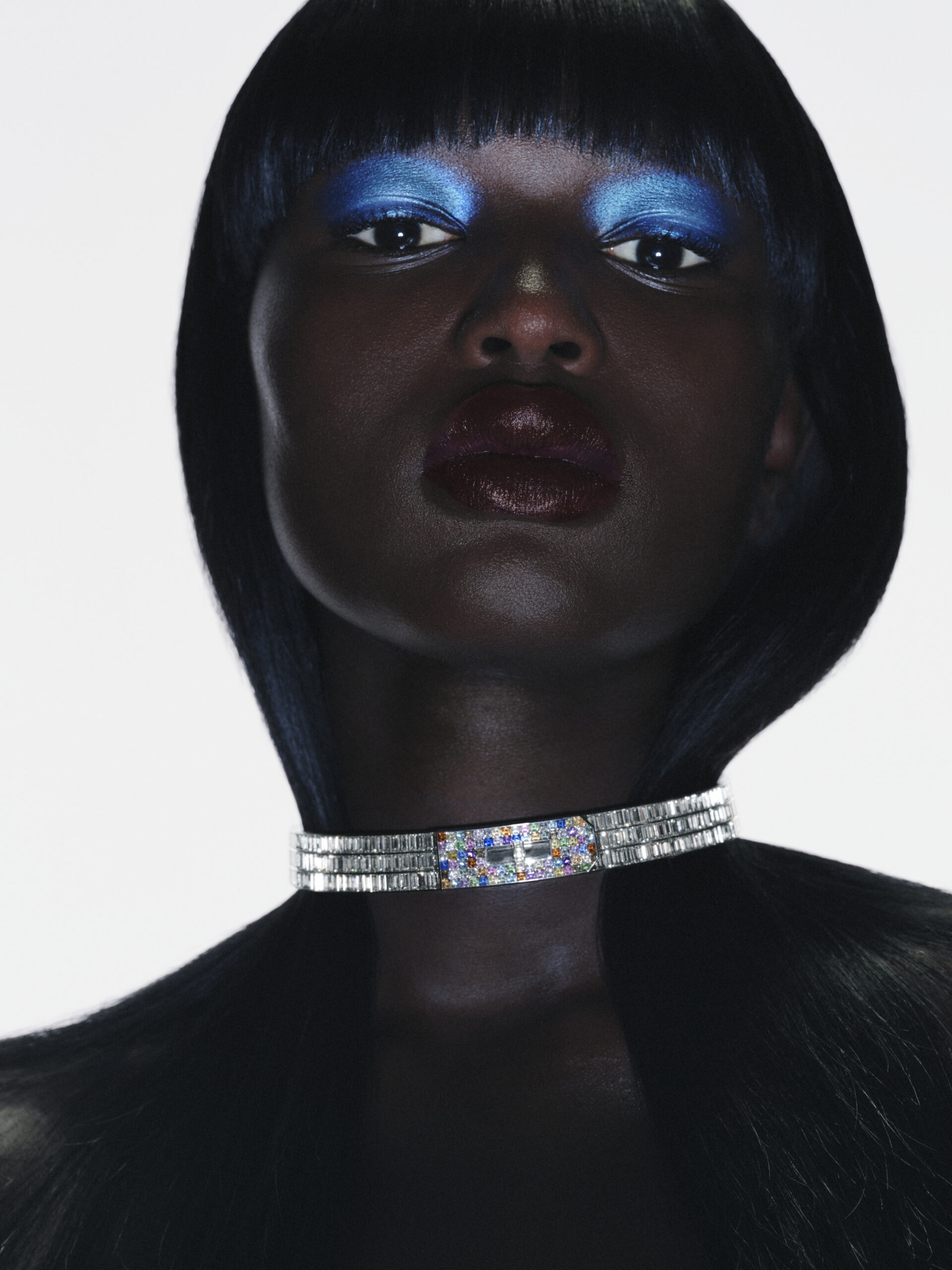
This evolution reflects a broader tension within Hermès haute bijouterie: the balance between identity and innovation. On one hand, the house maintains continuity through design codes like geometry and structure. On the other, it actively pushes into experimental territory, sometimes at the expense of recognisable motifs.
From a review perspective, this tension is productive. It prevents stagnation and keeps the collections intellectually relevant. Yet it can also make Hermès jewellery feel less immediately identifiable compared to its iconic leather goods or silk designs.
Final Assessment: Where Hermès Stands in High Jewellery
Hermès haute bijouterie occupies a distinct niche within the high jewellery landscape. It is less about spectacle and more about interpretation: of colour, light, and form. This positions it closer to wearable art than traditional luxury jewellery.
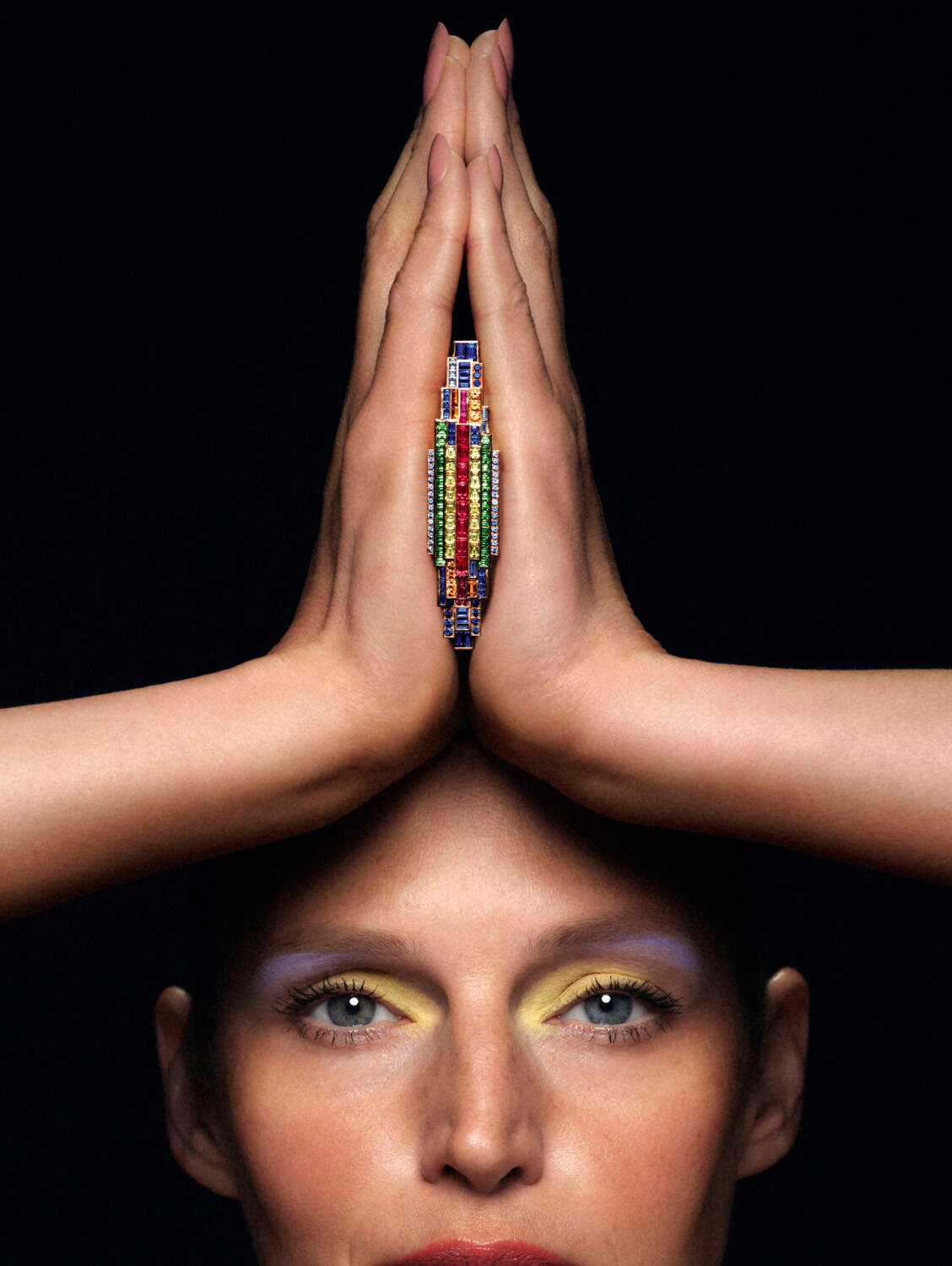
Ultimately, Hermès haute bijouterie is not designed to compete directly with conventional high jewellery. Instead, it proposes an alternative model: one where design precedes stone, and where jewellery functions as a medium for artistic exploration rather than pure adornment.
For collectors and observers, the question is less about value in carats and more about value in ideas.

