
La Sultane de Saba has always occupied a particular corner of the luxury beauty world — one that feels less clinical and trend-driven, and more rooted in ritual, atmosphere, and sensory memory.
Among its many collections, the Darjeeling line stands out for its quiet sophistication. Rather than relying on overpowering florals or gourmand excess, it leans into something more restrained: the elegant freshness of tea, soft woods, spices, and subtle warmth. Within that collection, Vert Gingembre emerges as one of the brand’s most refined compositions.
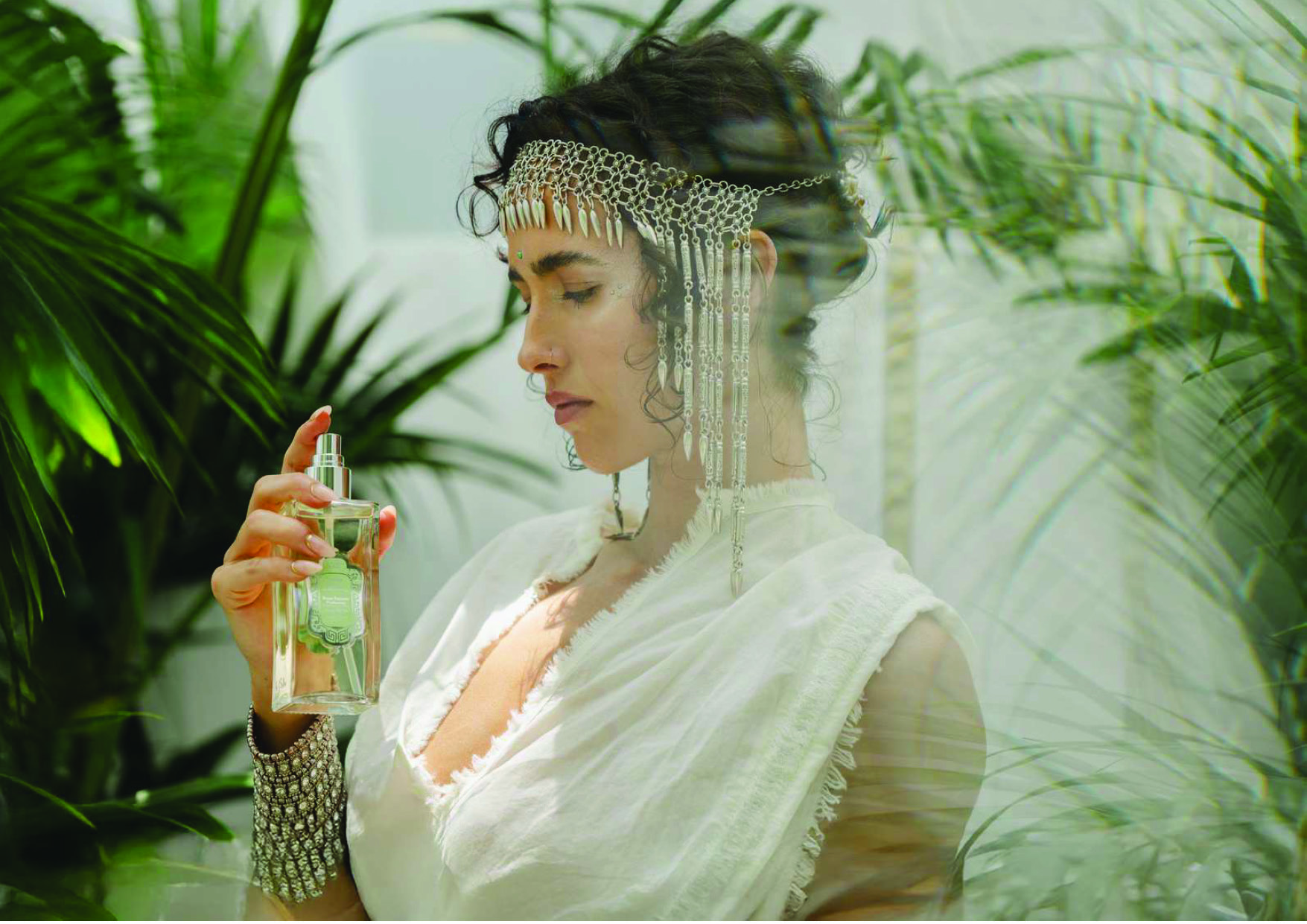
What makes Vert Gingembre interesting is not simply that it smells beautiful, but that it evokes an entire lifestyle associated with slowness, travel, and cultivated luxury. It feels connected to the old-world tradition of grand hotels, afternoon tea salons, linen robes, polished wood, and the understated glamour of private spas hidden behind heavy curtains and marble corridors.

The Darjeeling inspiration itself carries a certain prestige.
Darjeeling tea, grown in the Himalayan foothills of India, is often called the “Champagne of teas” because of its rarity and delicate complexity. Unlike darker, heavier black teas, La Sultane de Saba develops floral, muscatel-like nuances depending on altitude, rainfall, and harvest season. Historically, it became highly prized in European aristocratic circles during the nineteenth century, where tea drinking evolved into a ritual associated with refinement and social elegance.
La Sultane de Saba translates that atmosphere into fragrance remarkably well. Vert Gingembre does not smell like literal tea leaves steeped in water. Instead, it captures the idea of tea culture — the freshness of steam rising from porcelain cups, polished silver trays, ginger sliced with precision, and sunlight filtering through silk curtains in a quiet lounge somewhere between Paris and Jaipur.
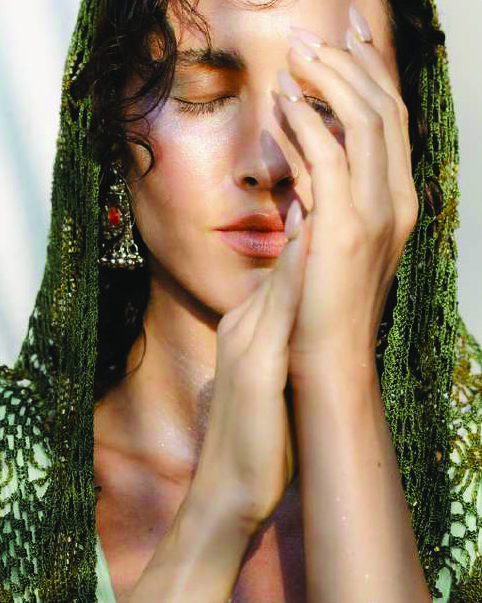
The ginger note is particularly striking because it avoids the sharp aggressiveness often found in modern citrus-spice fragrances. Ginger has been valued for thousands of years not only in perfumery but also in traditional medicine and royal cuisine. Ancient Indian and Chinese courts considered ginger a luxurious spice because transporting it along trade routes was difficult and expensive. During the spice trade era, ginger was once worth enough to symbolize wealth and sophistication among European elites. In Vert Gingembre, the ingredient retains that elegant heritage. It feels warm, luminous, and subtly energizing rather than fiery.
There is also something inherently luxurious about tea-inspired fragrances when they are done correctly. Tea notes tend to sit closer to the skin, creating intimacy rather than projection. Instead of announcing themselves loudly, they invite proximity. Vert Gingembre follows this philosophy beautifully. The scent unfolds gradually, almost like layers of fabric or the changing aromas within a tea ceremony.
La Sultane de Saba products are designed around body rituals rather than quick cosmetic routines.
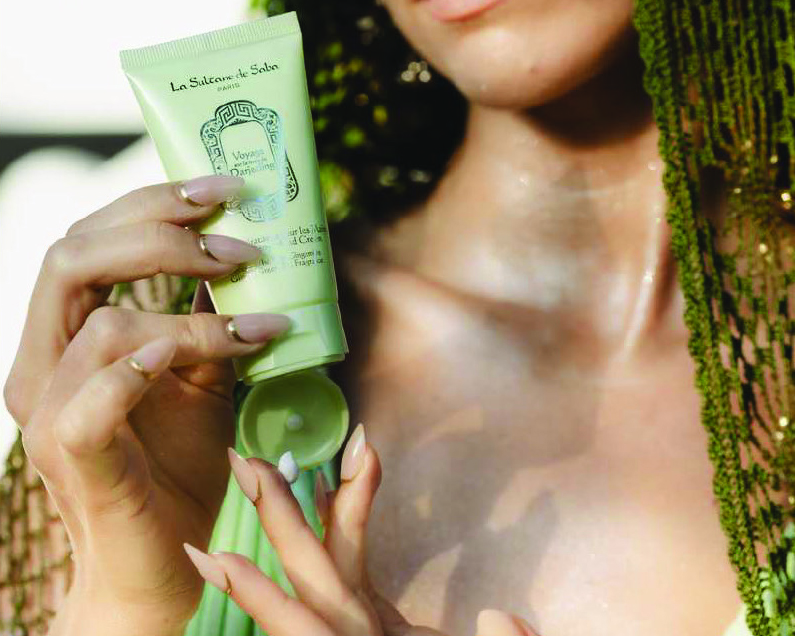
Using the oils, creams, or lotions from the La Sultane de Saba range feels deliberate and tactile. The formulas encourage slower gestures: massaging oil into warm skin, allowing fragrance to settle naturally, or layering products after a bath in the way traditional hammam rituals emphasize patience and care.

Luxury today often becomes synonymous with excess — louder branding, stronger perfumes, more visible status symbols. Vert Gingembre moves in the opposite direction. Its sophistication comes from restraint. The fragrance feels composed for someone who appreciates details rather than spectacle. It belongs to the same aesthetic world as cashmere travel wraps, handwritten correspondence, antique tea services, and boutique hotels scented softly in the background.
Another reason the collection feels distinctive is its balance between freshness and warmth. Many fresh fragrances disappear into something overly aquatic or synthetic, while spicy fragrances can become dense and overwhelming. Vert Gingembre maintains clarity throughout. The green tea accord keeps the fragrance airy, while ginger adds dimension and subtle heat. Together, they create a feeling that is both comforting and polished.

There is also a cultural richness behind the ingredients themselves.
Tea and ginger have historically represented hospitality across multiple civilizations. In India, tea ceremonies remain tied to conversation and generosity. In Morocco and across the Middle East, serving tea symbolizes welcome and respect. Ginger, meanwhile, traveled through ancient maritime trade routes connecting Asia, Arabia, and Europe, eventually becoming one of the world’s most treasured spices. By combining these elements, La Sultane de Saba quietly references centuries of exchange, travel, and ritual.
What ultimately makes Vert Gingembre memorable is its atmosphere. Some luxury fragrances focus on seduction or drama; this one focuses on serenity. It creates the impression of someone well-traveled, composed, and attentive to beauty in understated forms. The scent does not feel seasonal or trend-sensitive either. It works equally well in winter against wool and leather or during warmer months when tea and ginger become especially refreshing on the skin.

In many ways, La Sultane de Saba Darjeeling collection captures the modern idea of discreet luxury better than more overtly opulent fragrances. It values craftsmanship, sensory experience, and cultural inspiration over obvious extravagance. Vert Gingembre, in particular, feels like a fragrance for people who associate luxury with atmosphere rather than display — people who appreciate the quiet pleasure of tea rituals, spa traditions, fine ingredients, and beautifully curated spaces.
La Sultane de Saba succeeds because it understands that true luxury is often experiential. It is not only about how something smells, but about the world it suggests. Vert Gingembre evokes a world of calm elegance, where fragrance becomes part of a ritual rather than an accessory. That subtlety is precisely what makes it linger in memory long after the scent itself fades.

