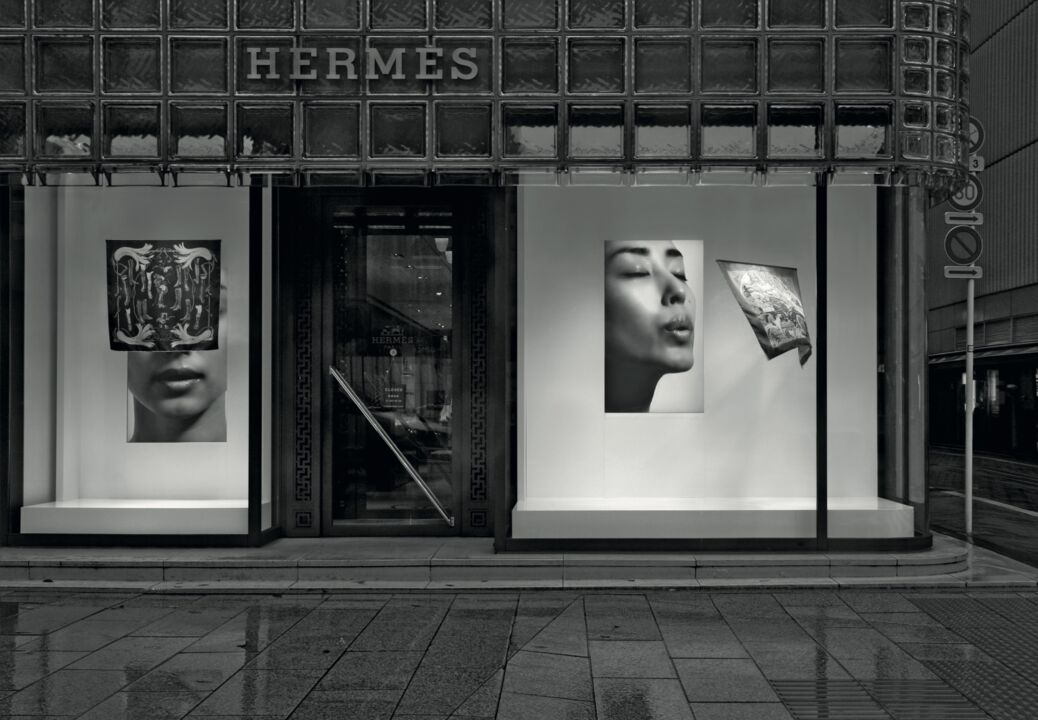
The concept of a window display is to catch the eye, and Hermès achieves this through a careful selection of materials, lighting, and themes. Each season, the house might adopt a different aesthetic or narrative that reflects its current collection or overarching brand ethos. The idea is to create a visual feast that not only showcases products but also evokes emotions and engages the viewer’s imagination.
One of the most notable designers associated with innovative window displays is Tokujin Yoshioka, whose work has inspired many in the industry.
Window displays have long been a critical aspect of retail marketing, serving as the first point of interaction between a brand and its potential customers. By blending artistry with commercial appeal, brands can create captivating displays that entice passersby. In the case of Hermès, the brand has consistently elevated its window displays to an art form, using innovative design to tell stories that resonate with their clientele.
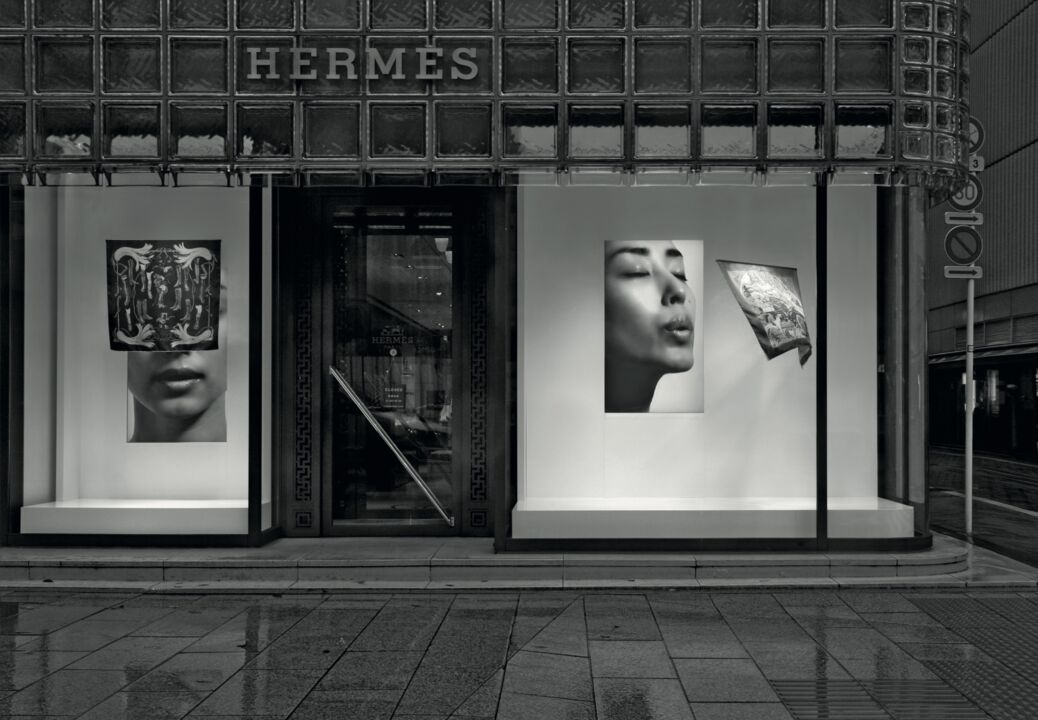
This innovative approach not only highlights the beauty of the scarves themselves but also reinforces the idea that fashion is a living, breathing art form. As the scarves sway gently in response to the projection, they embody movement and grace, drawing attention to the craftsmanship that goes into each piece. Such a display not only promotes the product but also elevates the brand’s image, intertwining Hermès with contemporary artistry.
In the current display curated by Tokujin Yoshioka, the interplay between technology and traditional craftsmanship is on full display. The use of video projections alongside physical scarves creates a dynamic experience, engaging the audience in a dialogue between the digital and the tangible. Yoshioka’s choice to incorporate a projected image of a woman breathing life into the scarves adds a layer of narrative that invites viewers to ponder the relationship between the wearer and the accessory.
In conclusion, Tokujin Yoshioka’s window display for Hermès is more than just a promotional tool; it is a celebration of art, fashion, and technology. By merging these elements, Yoshioka creates an experience that resonates with the viewer on multiple levels. It challenges traditional perceptions of retail displays and invites a conversation about the future of fashion in a digital age.
Moreover, the choice of materials used in the scarves is indicative of Hermès’ commitment to quality. The house is renowned for sourcing the finest silks, which not only provide a luxurious feel but also allow for intricate designs that are true to the brand’s heritage. Each scarf is a piece of art, crafted with precision and care, reflecting the artistry that Yoshioka seeks to embody in his display.
The significance of the scarf in fashion cannot be understated. Historically, scarves have been symbols of elegance and sophistication, offering wearers a touch of luxury. They can transform an outfit, acting as a statement piece or a subtle accent. The dynamic presentation of the scarves in Yoshioka’s display emphasises their versatility, showcasing how they can be worn in various styles and settings.
The emotional resonance of fashion is further explored through Yoshioka’s artistic vision. The use of a projected image of a woman introduces a human element to the display, making it relatable and personal. The connection between the viewer, the projected figure, and the scarves creates a layered narrative that invites deeper contemplation on the nature of fashion and identity.
For example, brands like Burberry and Gucci have also embraced this trend, utilising digital innovations to create captivating displays that resonate with their target audiences. Burberry’s use of live streaming in its window displays allows shoppers to interact with the latest collections in real-time, regardless of their location. This integration of technology not only enhances the shopping experience but also fosters a deeper connection between the brand and its customers.
In recent years, window displays have evolved, increasingly incorporating technology to enhance viewer engagement. Retailers are now utilising augmented reality, interactive screens, and sophisticated lighting techniques to create immersive experiences. This trend aligns with the growing expectation from consumers for brands to offer not just products, but experiences that resonate with their values and lifestyles.
A recipient of multiple international awards, Japanese designer Tokujin Yoshioka has breathed life into the window displays of Maison Hermes in Japan.
This gentle, non-intrusive yet breathtaking artwork can be seen in Tokyo until mid January 2010.
“I created a design where one can perceive someone behind the scarves as if life were being breathed into them. The window is designed with an image of woman projected on to a monitor. The scarf softly sways in the air in response to the woman’s blow.” – Tokujin Yoshioka

