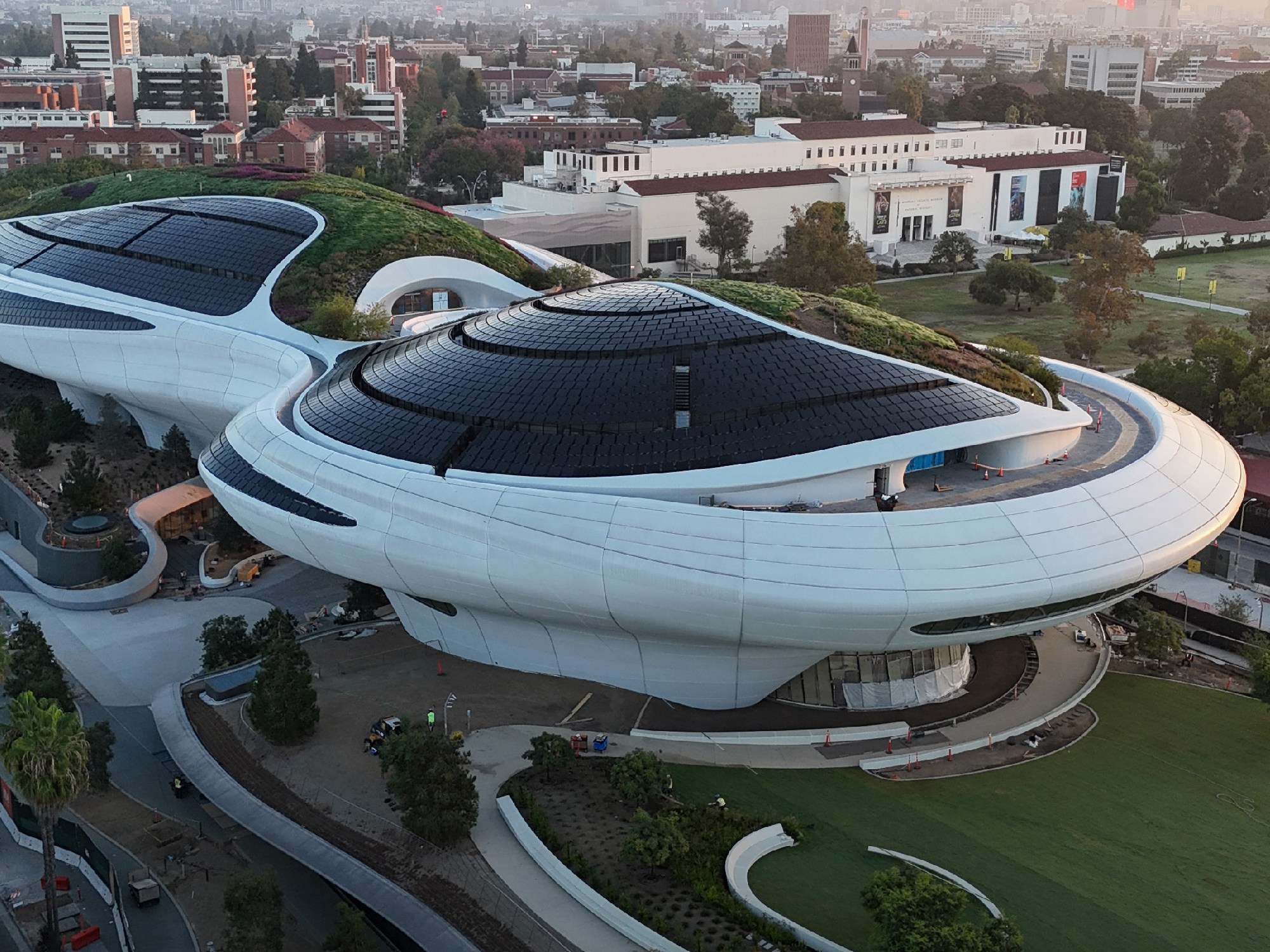
In the heart of Los Angeles’s Exposition Park, a structure unlike any other taking shape raises a simple yet provocative question: what happens when museum design embraces the future with as much intentionality as the art it will house? With its September 22, 2026 opening now firmly on the calendar, the Lucas Museum of Narrative Art beckons not just as a new cultural institution, but as a bold architectural experiment that asks us to reconsider what a museum can be. Its creators describe narrative art: comics, illustration, photography, cinema; as a universal language, yet the building that will house these works speaks in a language all its own, one that blurs the line between sculpture, city planning, and communal space.
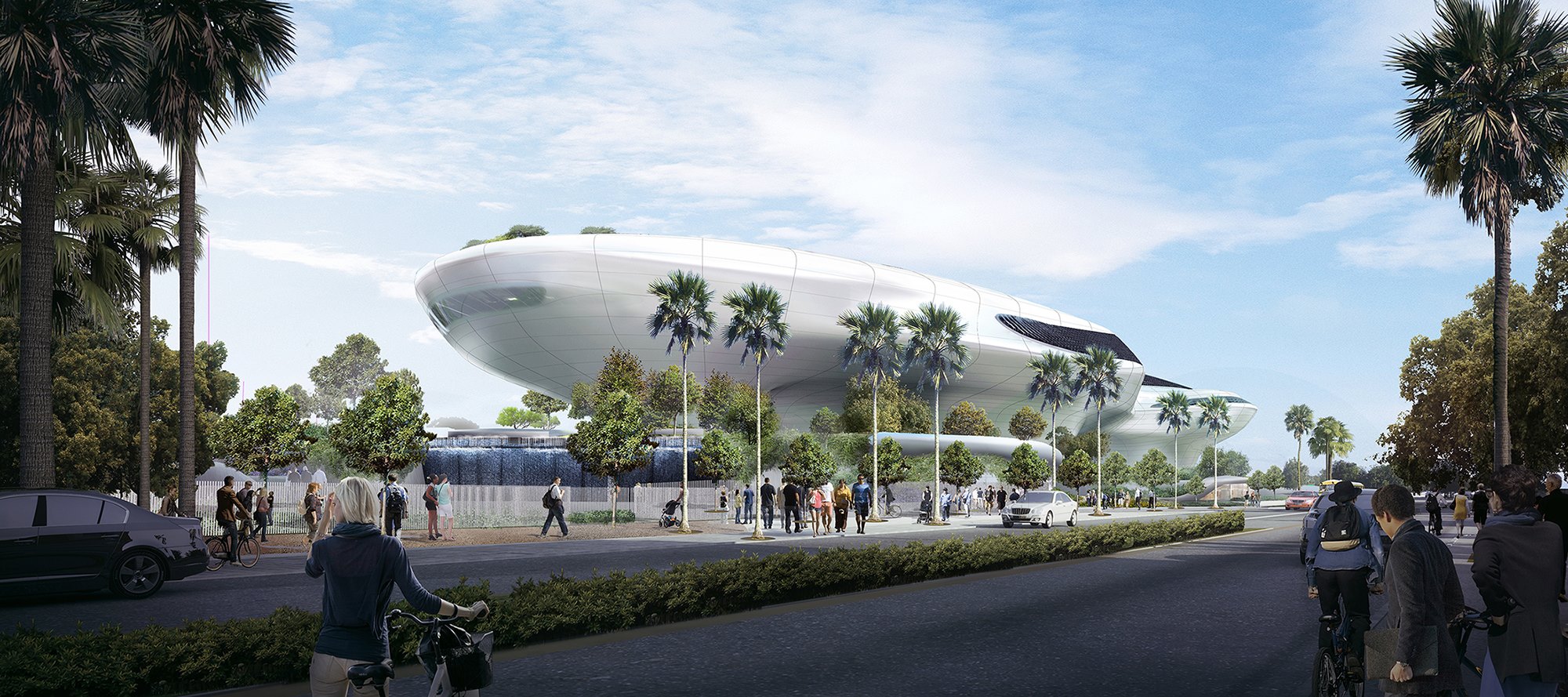
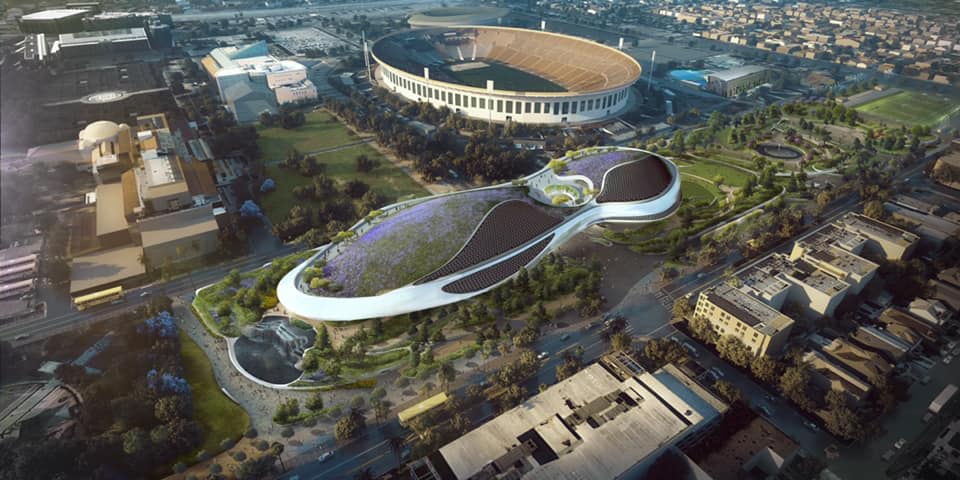
The museum’s form is immediately striking. Designed by Ma Yansong of MAD Architects, the building rises from an 11-acre campus that once was asphalt parking, transforming the land into a vibrant public realm. Its five-story, nearly 300,000-square-foot presence is more than a container for art; it is an object of wonder that seems to hover above the landscape. Its soaring, curved form evokes comparisons to spacecraft and clouds, hinting at both futuristic ambition and organic fluidity. Unlike the rectilinear volumes typical of many museums, this building feels alive, as though it has grown out of its setting rather than simply been placed within it.
Yet it is not purely aesthetic whimsy that drives this design. The exterior is clad in over 1,500 uniquely shaped fiberglass-reinforced polymer panels that were digitally modeled, robotically fabricated, and meticulously finished by hand. This marriage of cutting-edge digital technology and human craft is emblematic of the Lucas Museum’s overall ethos: a belief that innovation should amplify, rather than erase, the presence of human intention. The panels wrap and flow, creating a façade that rejects flatness in favor of a continuous play of light and shadow.
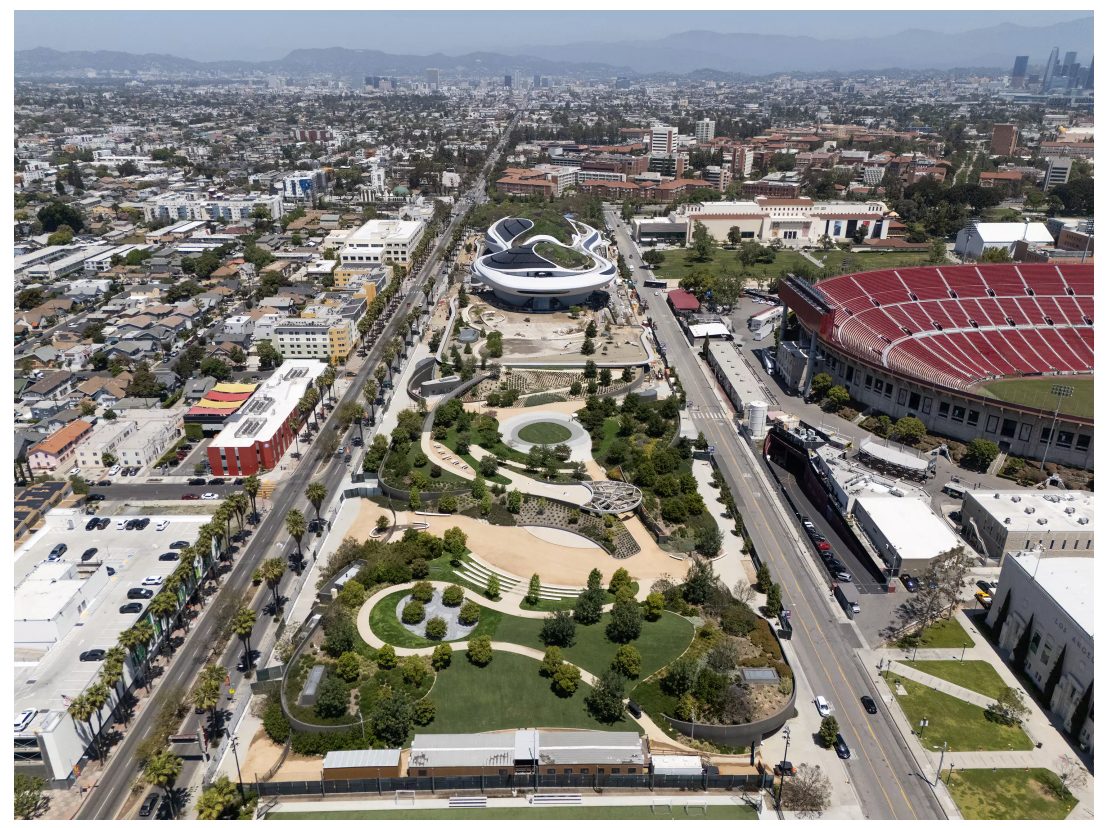
Walking through the Lucas Museum before even entering the galleries reveals another design intention: to integrate art, architecture, and nature into a cohesive, lived experience. Landscape architect Mia Lehrer of Studio-MLA has transformed what was once a vast parking lot into a vibrant public space dotted with indigenous plantings, pathways, and gathering areas. Over 200 trees have been planted, and the shifting seasonal landscape will offer new visual moments with each visit, encouraging repeat exploration rather than a single, fleeting trip.
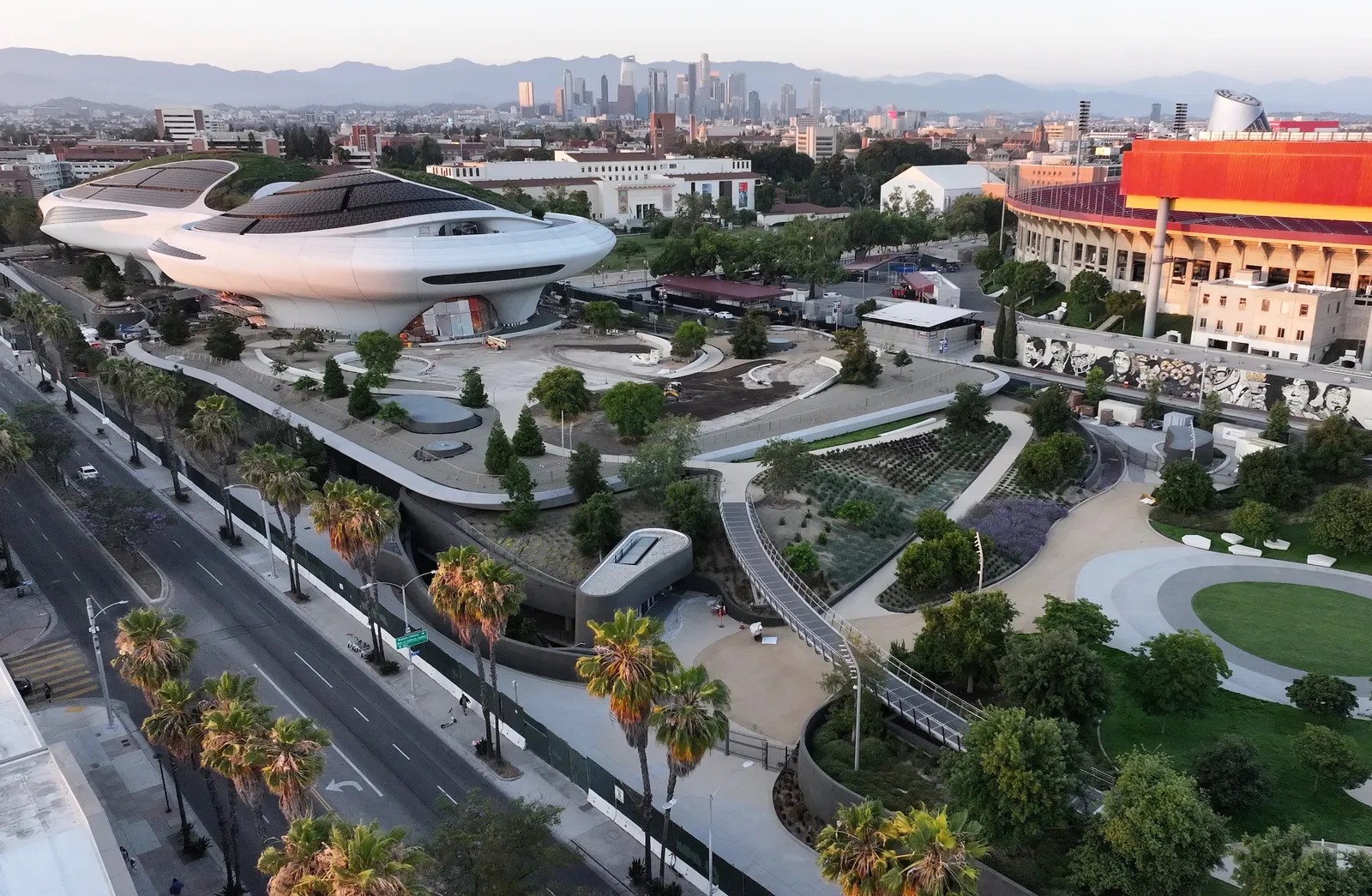
This interplay between built form and landscape suggests a larger narrative about how civic space can function. Instead of creating a fortress of culture, the museum appears to dissolve its boundaries, connecting its internal galleries with the city’s broader social life. Its shaded plazas, walkways, and outdoor gathering places invite reflection, lounging, or unexpected encounters, hinting at a future where museums are not places one merely visits, but places one dwells.
Inside, the Lucas Museum promises to continue this conversation between space and story. Thirty-five galleries will occupy approximately 100,000 square feet, organized not chronologically or by medium, but around themes of human experience: love, adventure, work, family, play. This organizational strategy suggests a desire to elevate narrative art on its own terms, treating comics, illustrations, photography, and cinema artifacts with the same curatorial seriousness often reserved for more traditional fine art.
The Lucas Museum will also feature dual theaters, a library, studios for learning and engagement, and hospitality spaces such as a café and restaurant. These support spaces reflect an inclusive vision of culture that extends beyond the gallery walls. Instead of greeting visitors with hushed silence, the Lucas Museum seems intent on fostering active participation, discussion, and movement — as if its planners expect culture to be lived through all senses and social interactions.
The Lucas Museum: Futuristic Museum Los Angeles Has Been Waiting For
That this groundbreaking project is finally nearing completion is itself noteworthy. It has taken more than a decade for the Lucas Museum to arrive at this point, having shifted locations from San Francisco to Chicago before settling in Los Angeles. The journey has been long and at times fraught, with budgetary expansions, leadership changes, and construction delays marking its progress. Yet each challenge seems to have contributed to a more thoughtful resolution: a museum that is not merely built but curated, not simply placed but embedded within its environment and community.
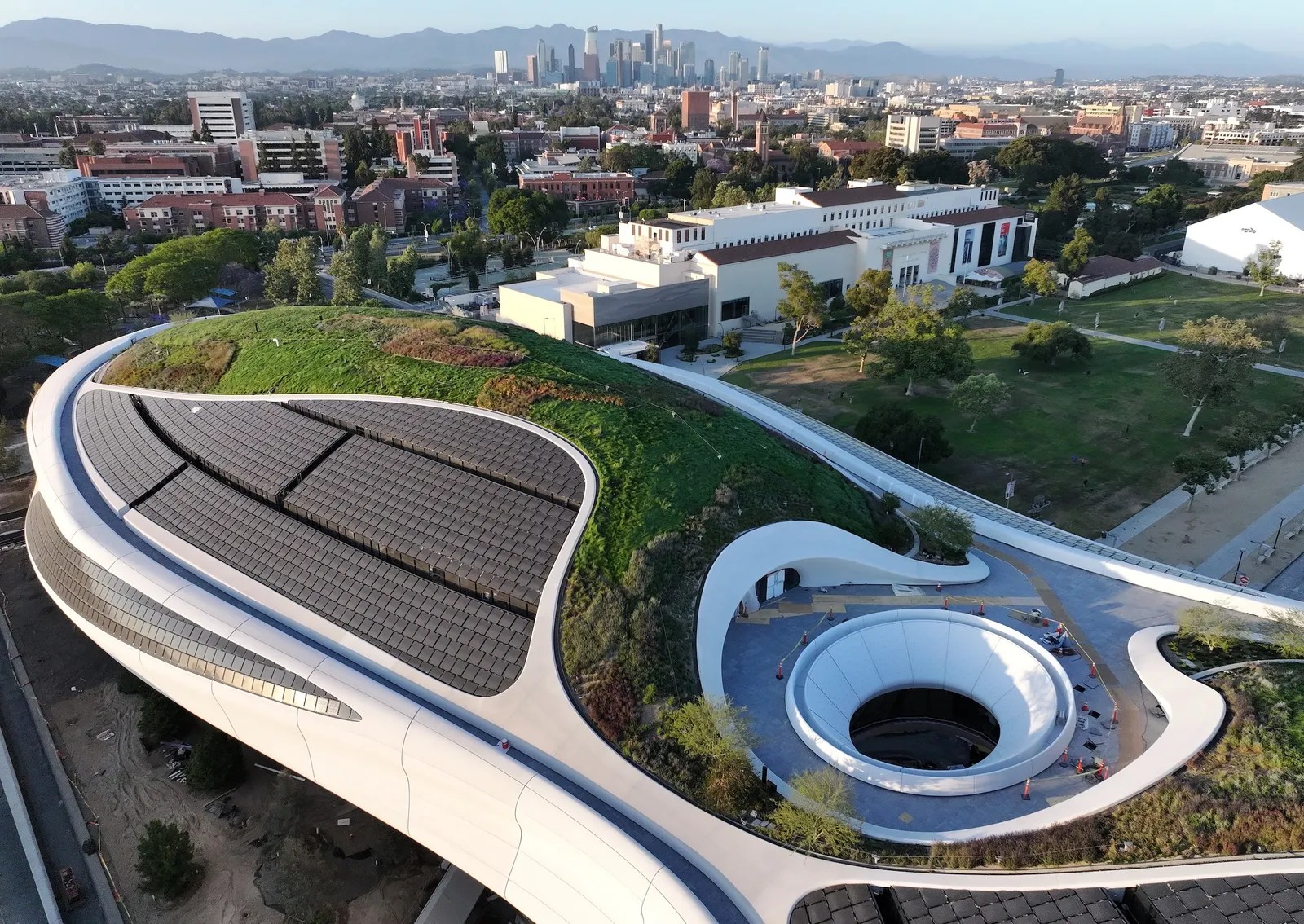
Even as construction advances, controversies linger in the background, reminding us that visionary architecture often invites debate. Some observers see the sweeping curves and monumental scale as alien to their surroundings; others marvel at the building’s ability to evoke imagination and possibility. These differing perspectives underscore a fascinating aspect of contemporary architectural discourse: the tension between innovation and context, between bold gestures and lived human experience.
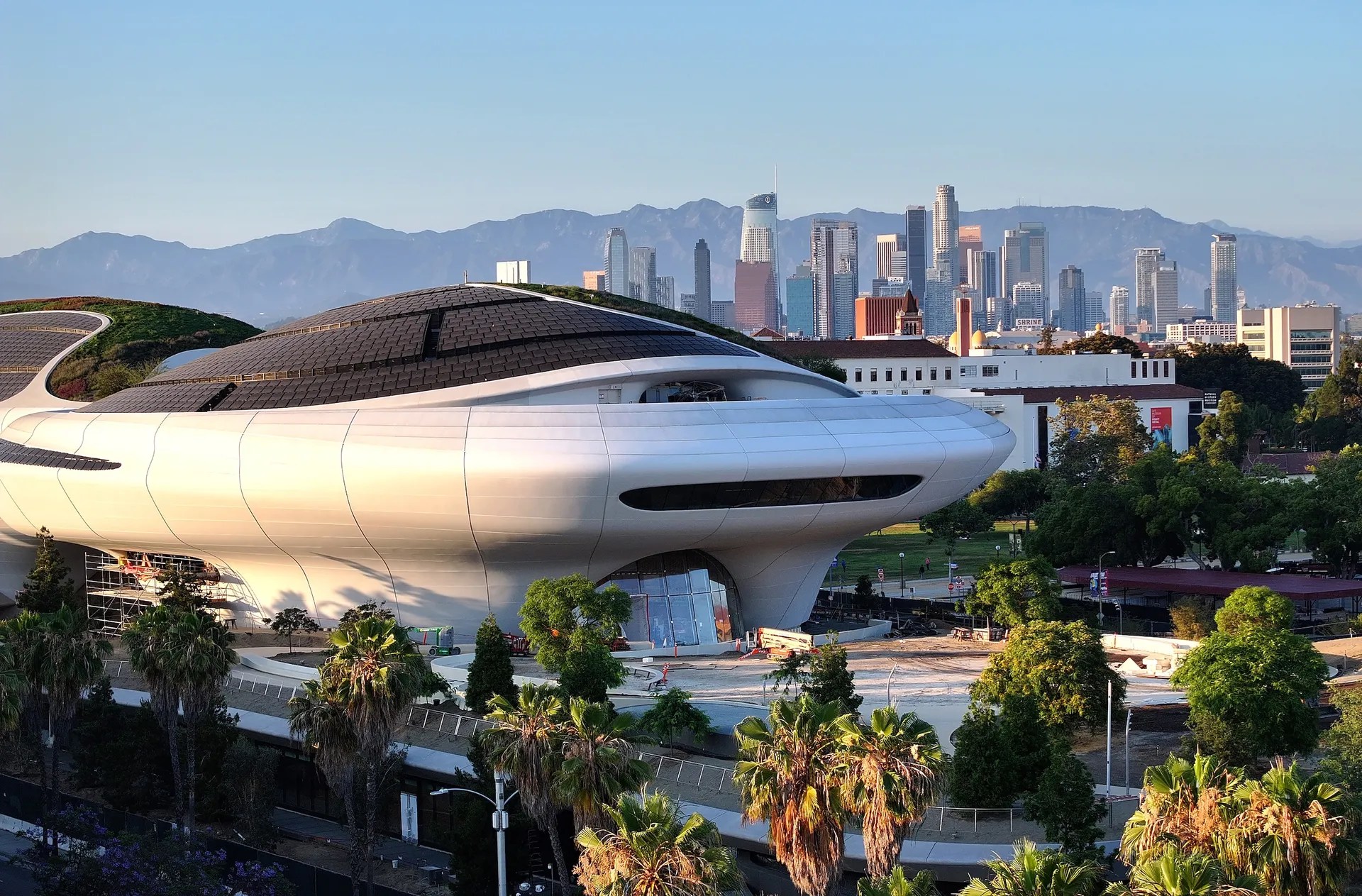
Perhaps what is most compelling about the Lucas Museum’s design is not simply its striking appearance but the questions it raises about how we engage with art and space. Will its organic silhouette encourage people to see museums as more approachable, less intimidating? Can architecture that feels futuristic also be warm and inviting? How might the integration of landscape and building influence future cultural institutions? These are open questions — and the answers may only become clear once the museum opens its doors and the public begins to fill its spaces with life.
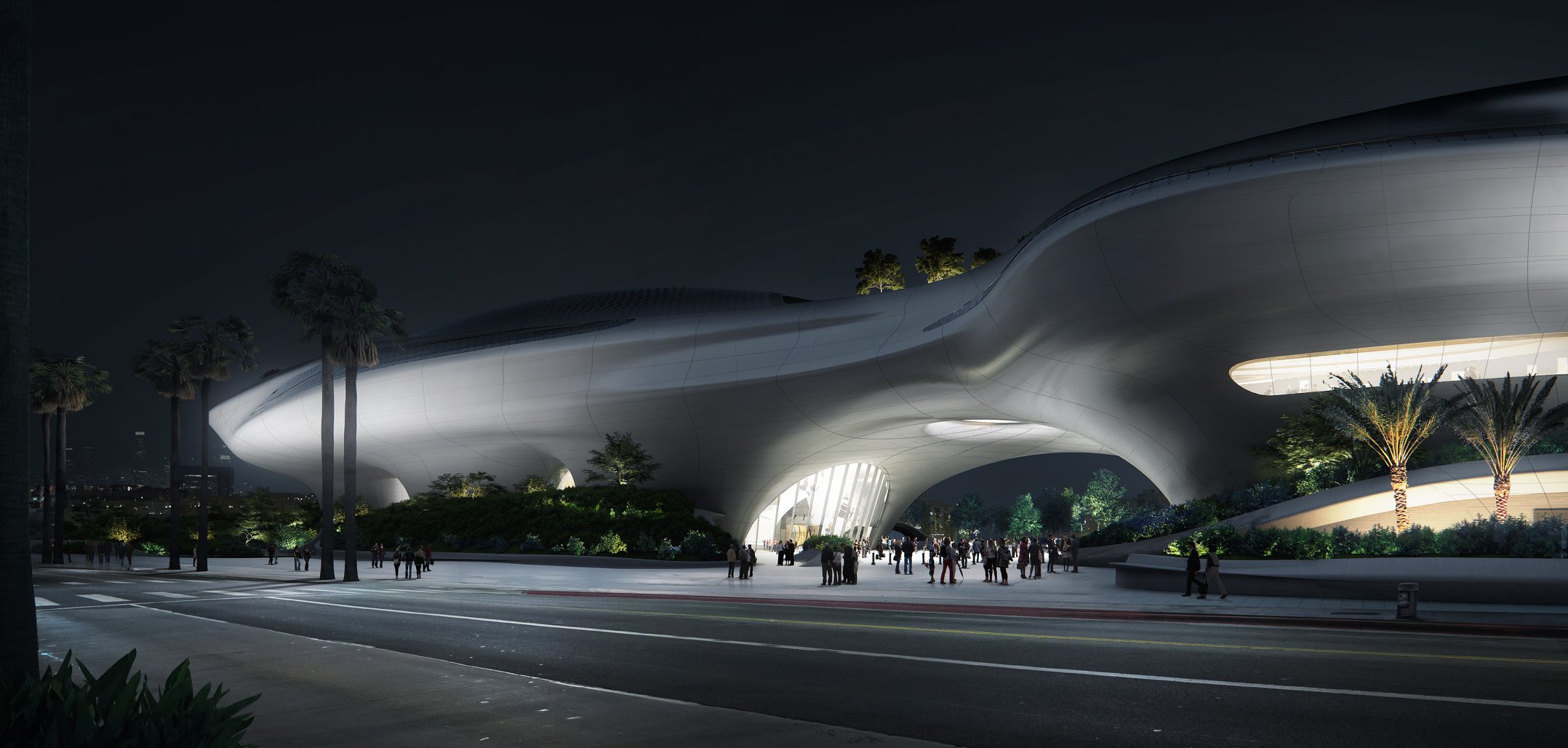
When the Lucas Museum of Narrative Art opens in September 2026, it will do so at the intersection of art, architecture, and civic life, inviting visitors not just to observe history, but to enter into narrative itself. Whether it becomes the cultural landmark its proponents hope for will depend not only on its construction, but on how the world chooses to interact with its ambitious spaces and ideas. In an era when so many buildings are defined by efficiency and formula, this museum stands as a provocative testament to the power of imagination — and to the potential of architecture to tell stories as powerfully as the works it houses.

