Table of Contents
Superheat: the water heater that mines Bitcoin
At CES 2026, Superheat introduced a water heater that doubles as a Bitcoin miner, combining everyday utilities with blockchain computation. The unit functions like a standard household water heater but integrates specialized ASIC mining hardware to perform Bitcoin hashing while heating water. Instead of letting the heat generated by mining computations go to waste, Superheat’s design redirects it into the storage tank to meet shower and domestic hot-water needs.
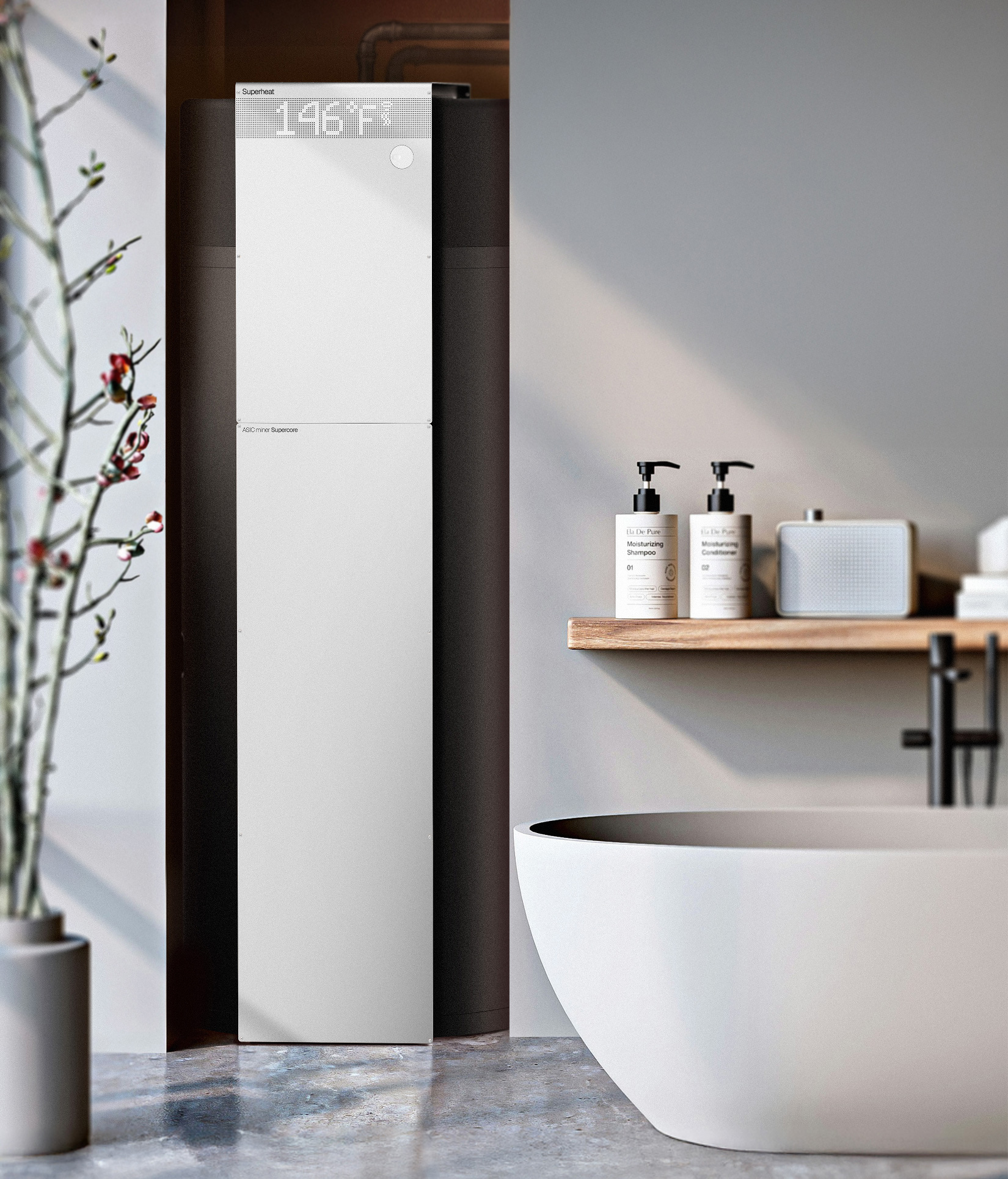
The system pairs with a mobile app for monitoring both water temperature and mining performance, allowing owners to track earnings and efficiency throughout the day. According to preliminary reports, the device consumes roughly the same power as a conventional electric heater but can offset a significant portion of energy costs by repurposing waste heat from mining operations. This concept aims to make crypto mining more environmentally sensible by leveraging its intrinsic thermal output for everyday use.
UltraSonic: world’s first chef’s vibrating knife
Among the more unusual kitchen gadgets at CES 2026 was UltraSonic’s vibrating chef’s knife, a take on ultrasonic cutting technology long used in industrial settings. The C-200 model integrates piezoelectric elements in the handle that drive the blade to oscillate at tens of thousands of cycles per second. This high-frequency vibration reduces friction as the knife slices through food, letting the blade glide through produce, meat, and bread with less effort.
The motion is imperceptible to the user — there’s no noticeable vibration in the handle and the knife makes no sound during use. While the basic form factor resembles a traditional chef’s knife, the added vibration changes how cutting feels, especially with sticky or dense ingredients. Some commentators at CES 2026 noted that the technology rethinks a simple kitchen tool rather than revolutionising it, but it nonetheless sparked conversations about how ultrasonic tech could influence future culinary tools.
L’Oréal Light Straight Plus: infrared light hair straightener
L’Oréal’s Light Straight Plus debuted at CES 2026 as part of the company’s push into light-based beauty tools. This hair straightener uses near infrared wavelengths rather than relying solely on surface heat to reshape hair. Traditional straighteners often reach temperatures that can weaken keratin and damage cuticles; by contrast, the Light Straight Plus aims to achieve styling at lower peak temperatures by penetrating hair fibers.
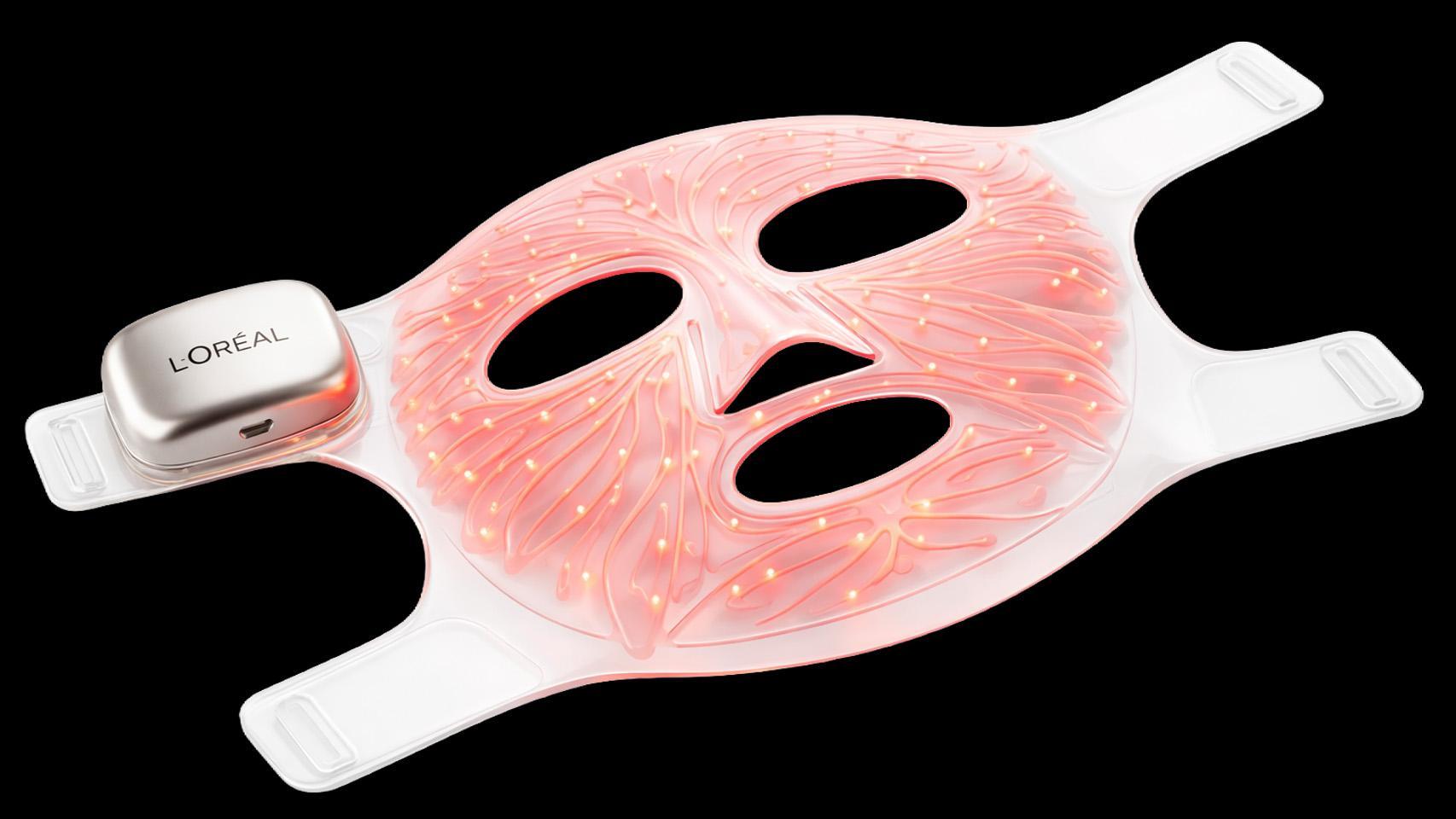
According to L’Oréal’s testing, infrared light can help alter internal hydrogen bonds more gently, reducing the risk of heat-related damage. The device also includes smart sensors and adaptive algorithms designed to respond to user gestures for a personalised styling experience. L’Oréal positions this innovation as a way to maintain hair health while still achieving smooth, styled results faster and with less heat exposure than many conventional tools.
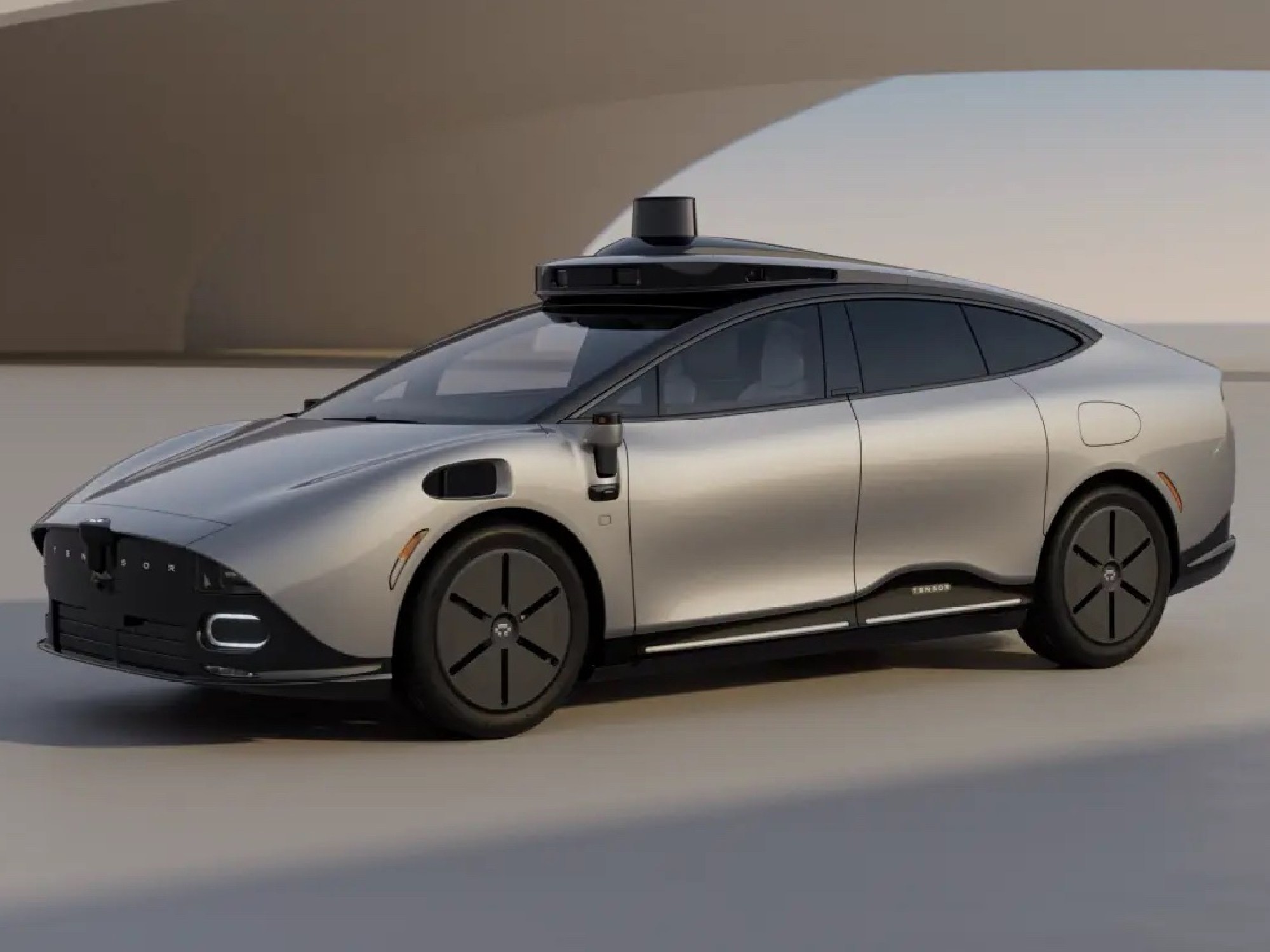
Tensor Robocar: a self-driving vehicle
Tensor used CES 2026 to showcase its Robocar, an autonomous vehicle engineered with Level 4 self-driving capability and an AI-first architecture. Rather than adding autonomy to an existing car platform, Tensor designed the vehicle from the ground up with a powerful onboard supercomputer, capable of more than 8,000 tera-operations per second to process vast sensor data in real time. This level of compute is intended to support robust perception and decision-making without constant human supervision within predefined areas.
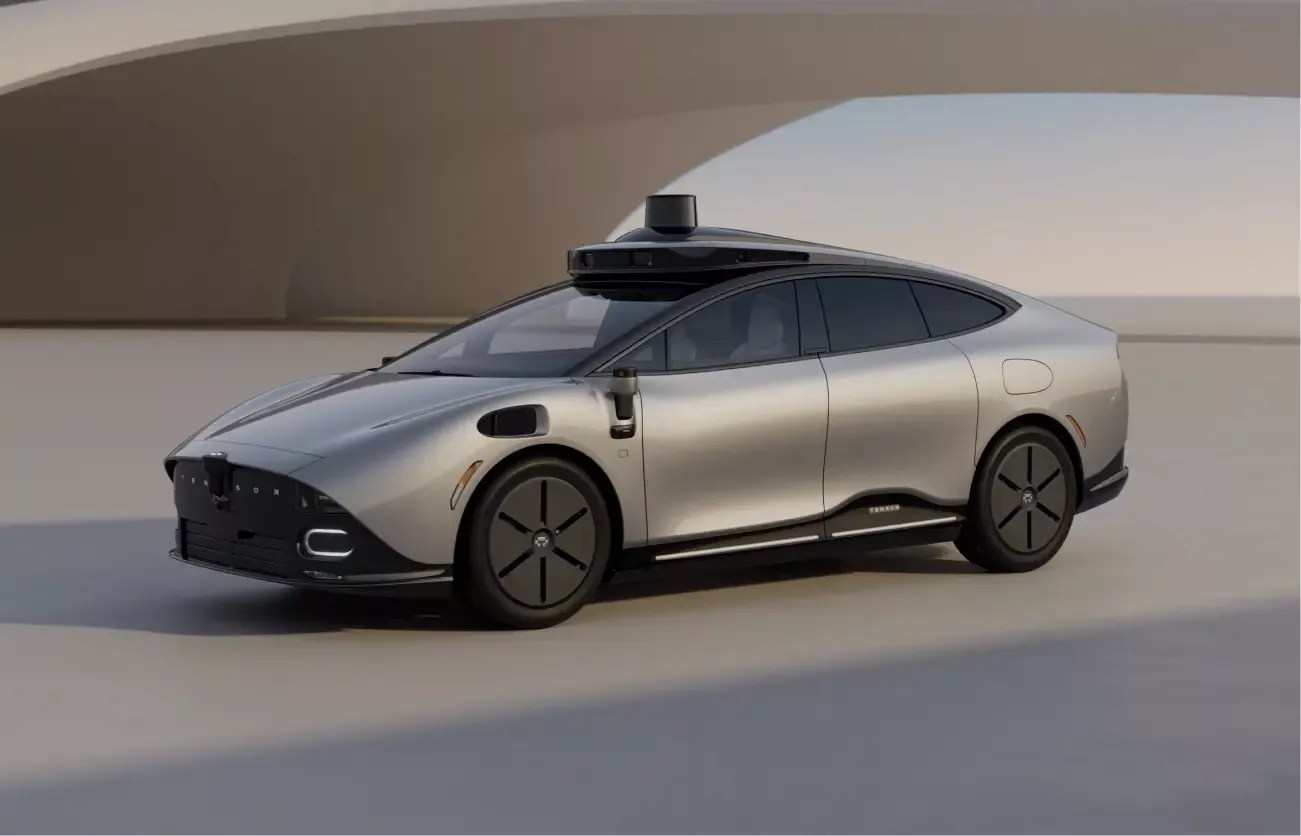
The Robocar also features a retractable steering wheel concept for seamlessly switching between manual drive and autonomous modes, hinting at a future where the cabin transforms when the car is driving itself. Tensor’s approach reflects a broader trend toward vehicles that treat autonomy as core functionality, potentially changing personal mobility by enabling hands-free operation under the right conditions.
EufyMake: 3D-texture UV printer
At CES 2026 the eufyMake brand highlighted its 3D-texture UV printer, a desktop device that sits between traditional inkjet and 3D printing. This UV printer uses curable inks that harden on contact so it can build up tactile textures on flat and curved surfaces. The system supports printing on wood, metal, acrylic, leather, glass, and more, with output layers reaching several millimetres in depth.

Unlike conventional industrial UV printers, which are large and costly, the eufyMake unit is sized for creative studios and small-business use, bringing textured UV printing to a more accessible scale. Its modular and AI-assisted workflow — including camera and laser systems for precise positioning — aims to simplify the printing process. While UV printing is not new, combining 3D texture with personal-use form factors represents a shift toward more expressive and materially rich printed outputs.
Vocci: AI note-taking ring
The Vocci ring emerged at CES 2026 as a different kind of wearable, focusing on voice recording and note-taking rather than health metrics. Built as a compact titanium ring with an activation button, Vocci is designed to capture audio snippets hands-free during meetings, lectures, or spontaneous moments. The device can record for several hours on a charge, storing audio to be processed by an associated AI app that transcribes and organises notes.

This positions Vocci as a tool for managing information overload, offering a quick alternative to pulling out a phone or laptop to jot things down. Its emphasis on capturing ideas at the moment highlights a trend in wearables toward context-aware utility rather than passive tracking alone.

