
The Story Behind LV Monogram: 130 Years of a Global Fashion Icon
When we think of luxury fashion, few symbols are as instantly recognizable as the interlocked LV monogram. In 2026, Louis Vuitton celebrates a remarkable milestone: 130 years of its legendary monogram, a design that has become synonymous with craftsmanship, heritage, and cultural relevance. But how did this pattern, now seen on bags, trunks, and accessories around the world, become such a defining emblem of luxury? Let’s explore the history, evolution, and celebration of this enduring design.
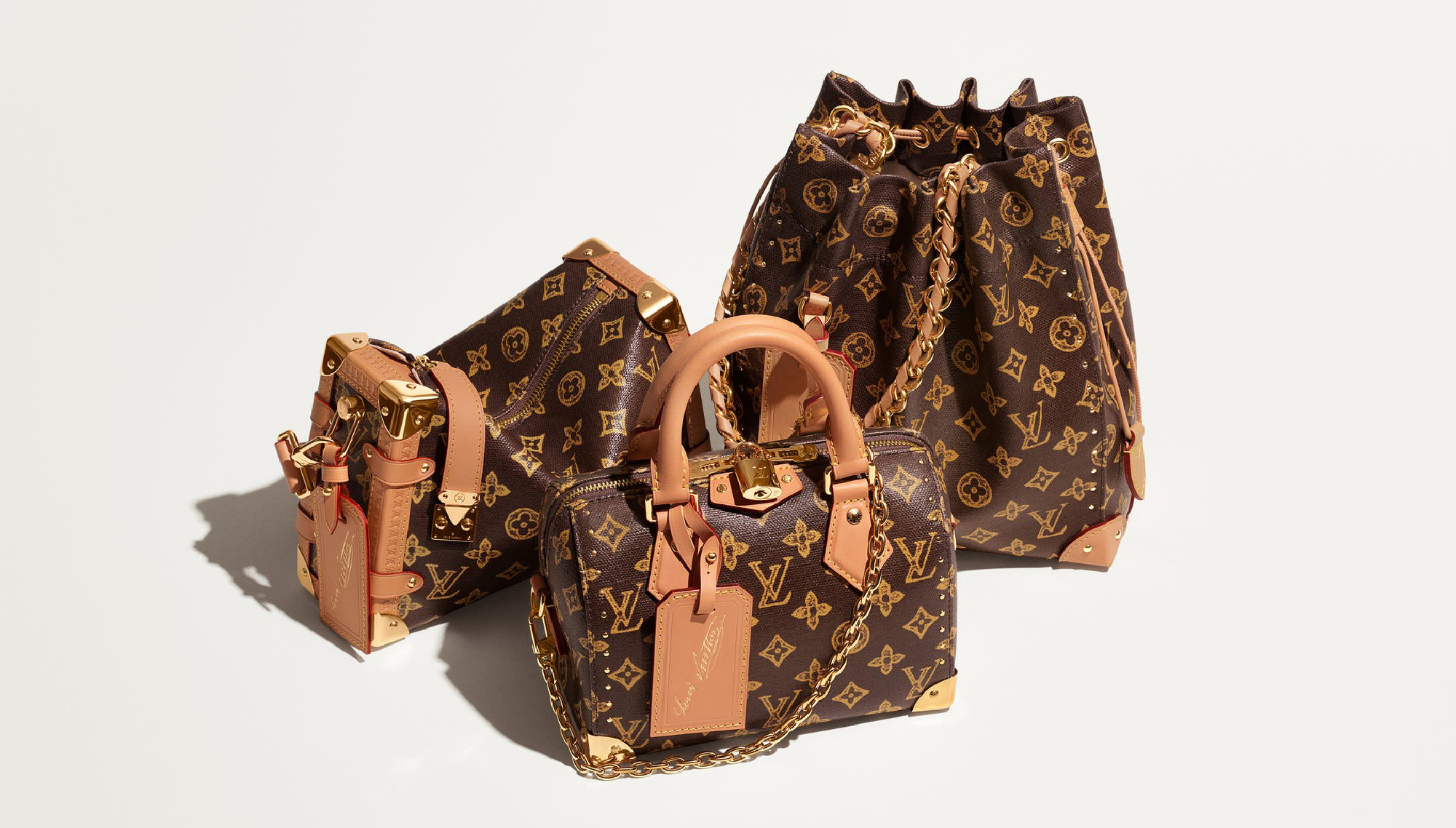
Origins of the LV Monogram: A Tribute and a Defense
The story begins in 1896, when Georges Vuitton, son of founder Louis Vuitton, set out to design something that would both honor his father’s legacy and protect the brand’s products from imitation. Up until then, Louis Vuitton’s trunks: lightweight, flat-topped, and durable were coveted by an elite clientele. However, as popularity grew, so did the problem of counterfeiters copying the designs.
Georges created a pattern featuring the oversized intertwined “LV” initials along with stylized floral motifs inspired by Neo-Gothic ornamentation and Japanese mon crests. Initially applied in earthy tones of écru and terre de Sienne on jacquard-woven linen, this design was intended as both ornament and trademark. It was patented on January 11, 1897, making it one of the earliest examples of branding used to signify authenticity in fashion.
Monogram Canvas: Innovation Meets Tradition
In its early years, the monogram pattern was mainly used on the house’s signature trunks and luggage. However, its use expanded in 1902 with more elaborate pochoir (hand-applied pigment) techniques that added depth and durability to the canvas. A decisive innovation came in 1959 with the introduction of coated cotton canvas with a vinyl finish, which made the monogram pattern more flexible, lighter, and resistant to water. This development enabled the monogram to be used extensively on soft leather goods such as the iconic Speedy and Keepall, ushering in a new chapter for Louis Vuitton products.
These technical advances allowed the monogram to travel beyond luggage to everyday accessories, transforming what had once been a practical pattern into a symbol of stylistic identity and luxury.
Cultural Evolution Through Creative Directors
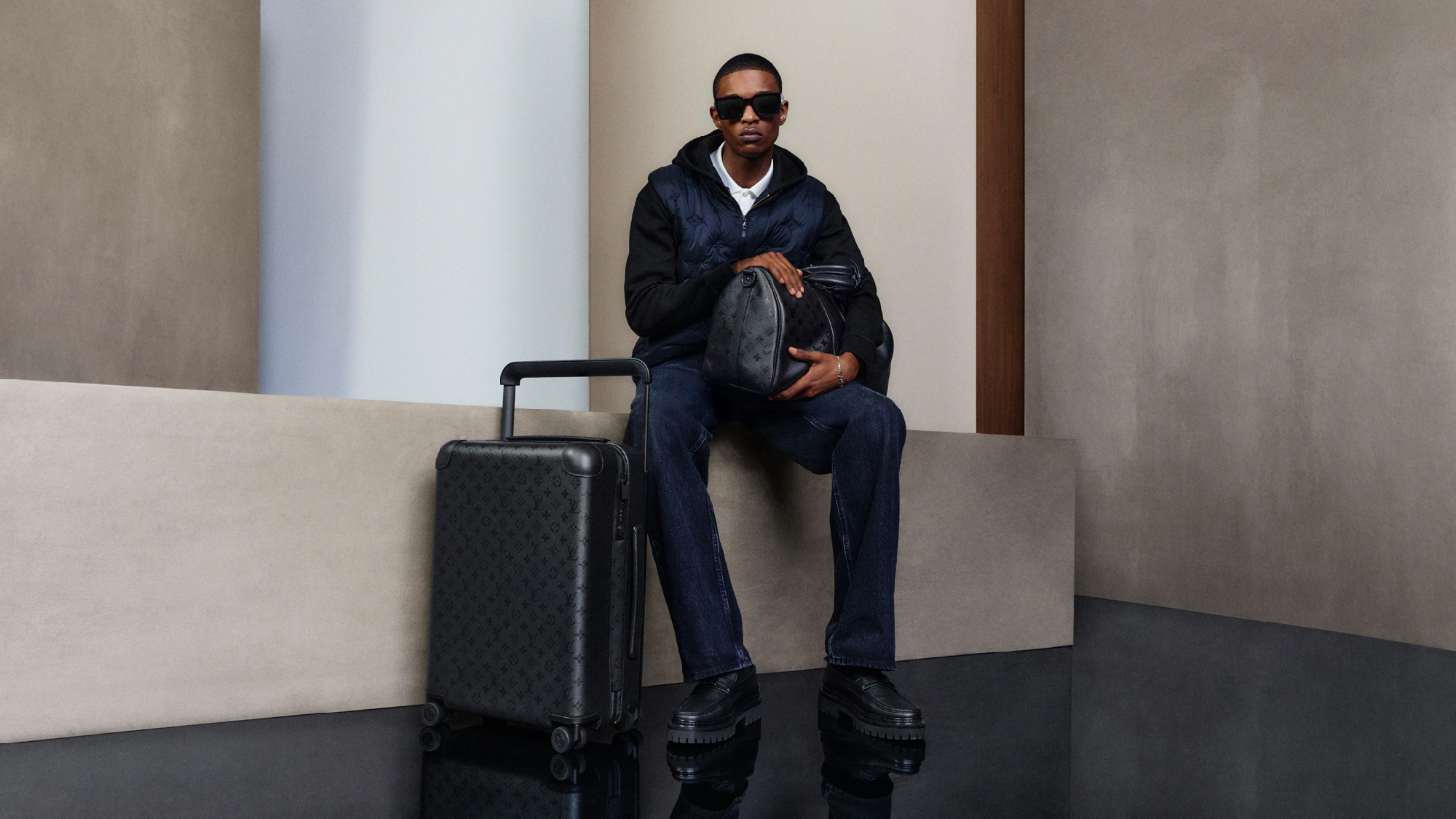
The monogram’s journey did not stop with material innovation. It evolved culturally through the visions of multiple creative directors, each reinterpreting the iconic motif for new eras. From the bold pop landscapes introduced by Marc Jacobs in the late 1990s to the playful collaborations with artists like Takashi Murakami and Yayoi Kusama, the monogram became much more than a logo: it became a canvas for artistic exploration.
Designers such as Virgil Abloh, Nicolas Ghesquière, and more recently Pharrell Williams continued to push its boundaries. Variants like the Monogram Eclipse, introduced in graphite and black for a more modern, masculine tone, reflect how the design has adapted stylistically without abandoning its core identity.

From Maharajas to Modern Icons
The LV monogram’s appeal transcended European fashion circles early in its history. In the early 20th century, Indian royalty — including figures like Maharaja Jagatjit Singh of Kapurthala and Maharaja Hari Singh of Jammu and Kashmir — famously commissioned custom Louis Vuitton trunks, often carrying elaborate wardrobes and even polo equipment. These commissions underscore how the brand’s blend of practicality and luxury resonated with elite patrons around the world.
Over decades, the monogram has remained a status symbol not just because of its heritage, but because it bridges cultures and generations, appearing in a spectrum of contexts from vintage trunk collections to contemporary fashion streets and red carpets globally.
130-Year Anniversary: A Global Celebration
In 2026, Louis Vuitton marked 130 years of the LV monogram with an ambitious program of exhibitions, special collections, and cultural showcases designed to celebrate and reinterpret this iconic motif. The anniversary campaign centers around some of the brand’s most iconic monogram bags — each with its own rich history:
- Speedy (introduced 1930): Originally known as Express, prized for its accessible elegance and fold-flat design.
- Keepall (1930): A cylindrical travel companion with reinforced handles, designed for flexibility and mobility.
- Noé (1932): Originally commissioned to carry five bottles of champagne, notable for its playful, functional design.
- Alma (1992): Inspired by Parisian Art Deco architecture, known for its structured silhouette.
- Neverfull (2007): A versatile tote capable of holding generous loads while remaining elegantly lightweight.
To honor these heritage pieces, Louis Vuitton introduced three exclusive anniversary collections that showcase the LV monogram’s evolution:

- Monogram Origine: Revisits the original 1896 pattern using a soft jacquard weave inspired by archival materials.
- VVN Collection: Showcases natural vegetable-tanned leather, designed to develop a unique patina over time.
- Time Trunk Collection: Uses bold trompe-l’oeil printing to evoke textures and metallic details of historic LV trunks.
In addition, re-editions of previously celebrated monogram variations — such as the vibrant Monogram Multicolore created with Murakami’s input — emphasize the motif’s adaptability and cultural resonance.
What the LV Monogram Means Today
At its core, the Louis Vuitton monogram is more than a pattern; it is an heirloom of design innovation. It began as a practical solution to protect and brand luggage, but it evolved into a global symbol of luxury, craftsmanship, and cultural storytelling. Through its 130-year journey, the monogram has proven that iconic design can transcend function, media, and generations, continually reinventing itself while staying true to its origins.
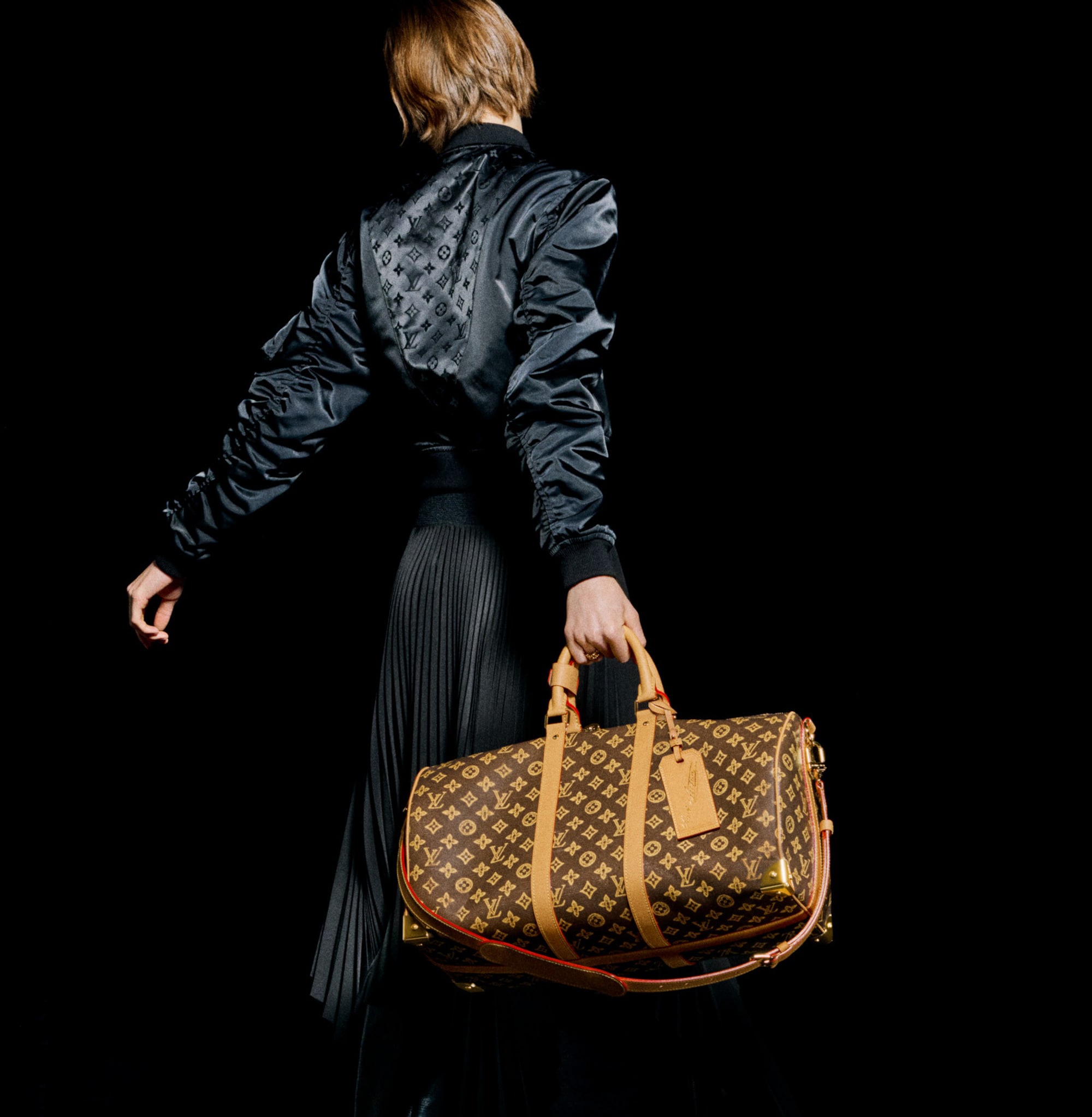
In an age where authenticity and heritage are prized as much as novelty, the monogram’s evolution offers lessons in balancing tradition and reinvention. As Louis Vuitton celebrates this anniversary, it invites the world not just to admire a pattern, but to contemplate the stories, cultures, and craftsmanship woven into every iteration of this remarkable design.

