The Eternal Emperor of Elegance
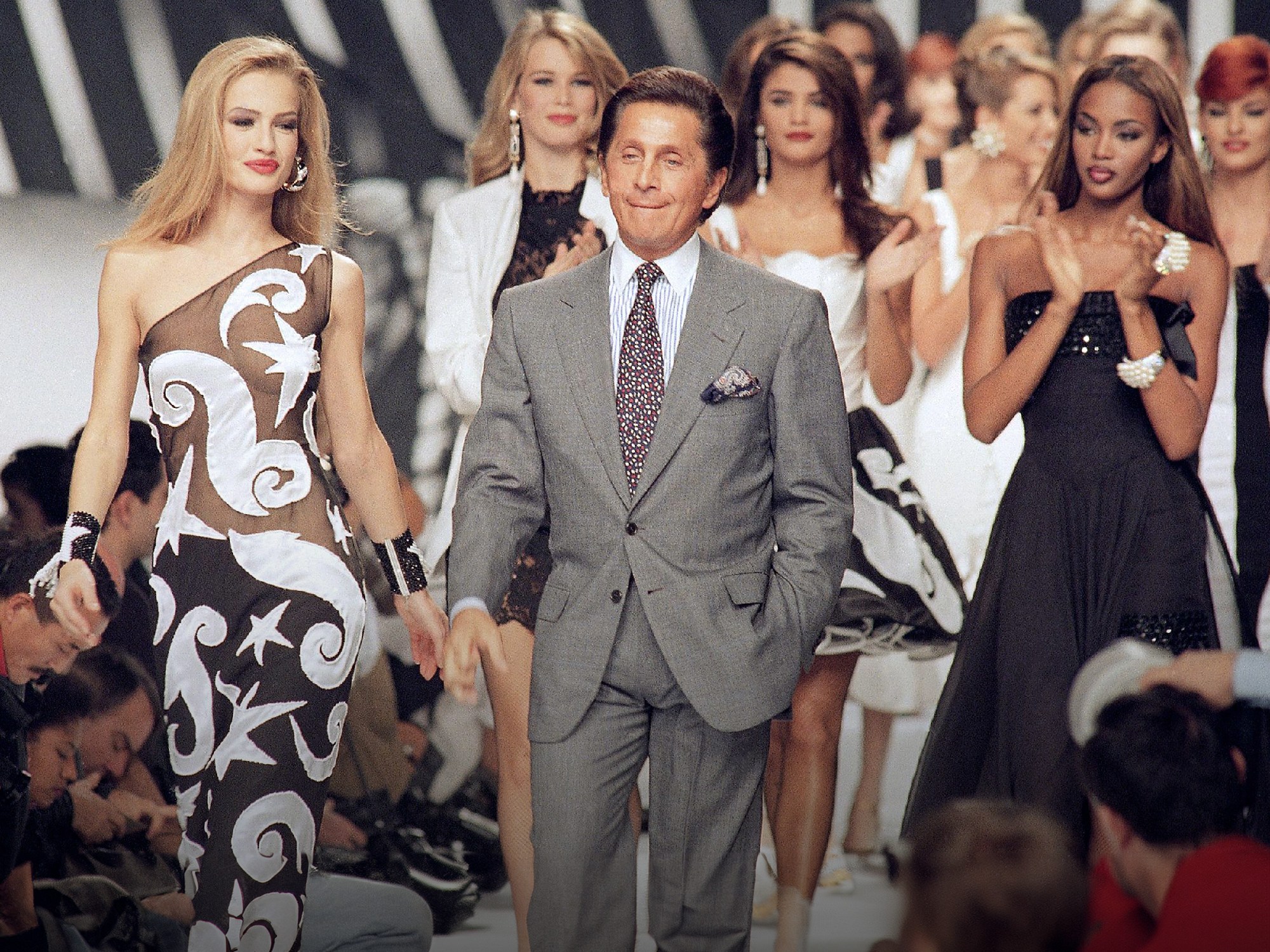
In the grand tapestry of postwar fashion, few names carry the same weight and reverence as Valentino Garavani. For more than four decades, Valentino’s singular vision of femininity and refinement redefined haute couture. His designs were not merely clothes but emblems of grace and aspiration for the world’s most influential women. Born in 1932 in Voghera, Italy, his life and career became synonymous with glamour and the very idea of luxury itself. Upon his passing at the age of 93 on January 19, 2026, the world paused to acknowledge a legend whose influence shaped both the look and spirit of modern style.
Rome, Paris, and the Birth of a Fashion Empire
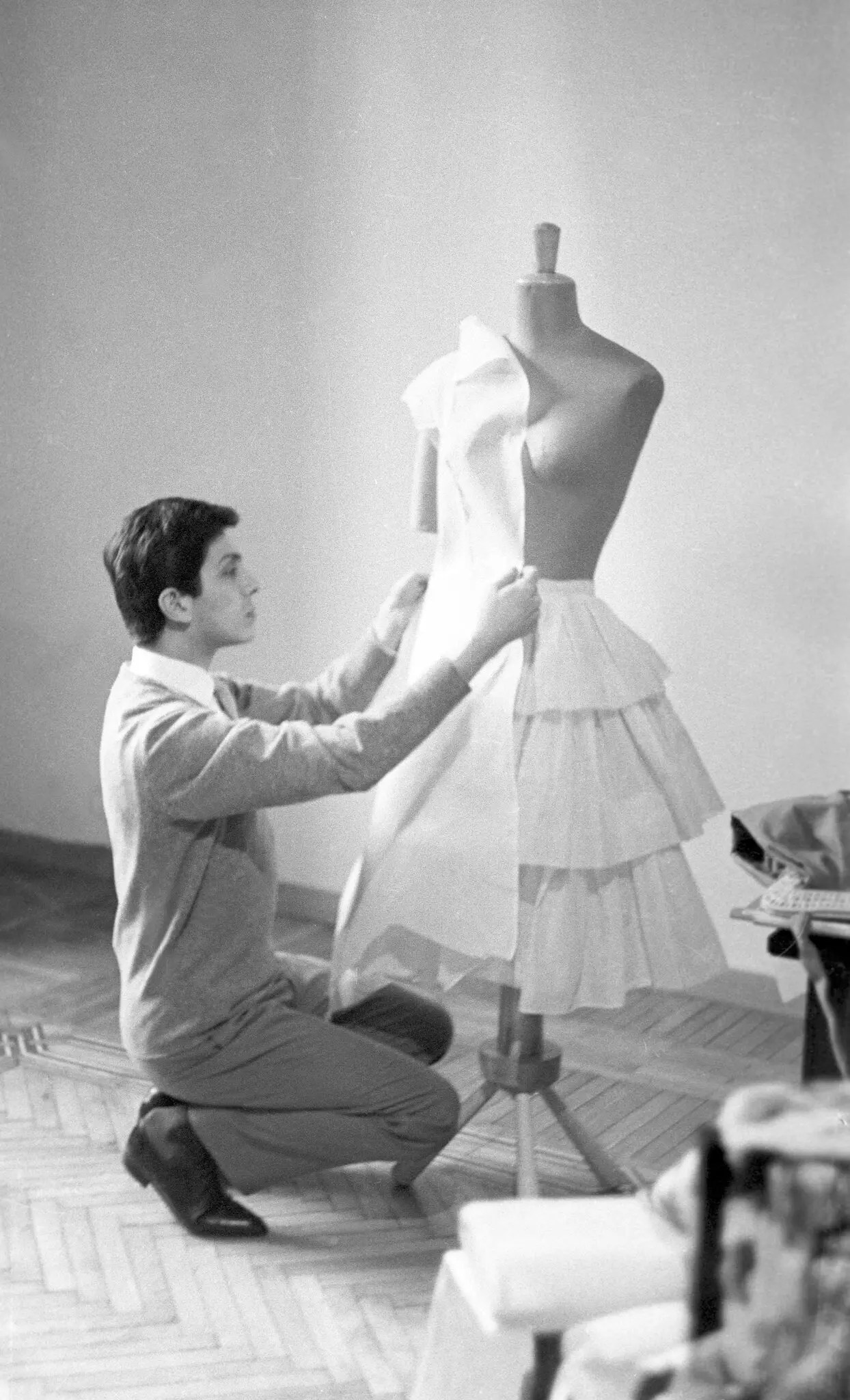
Valentino’s story begins with passion and meticulous craft. After studying fashion in Milan and Paris, where he worked under esteemed designers like Jean Dessès and Guy Laroche, he returned to Italy with an ambition far greater than regional success. In 1959 he founded his eponymous fashion house on Rome’s elegant Via Condotti, a bold choice at a time when Milan was emerging as Italy’s fashion hub. His allegiance to Rome — its classical beauty, theatricality, and palatial backdrop — helped shape the sumptuous aesthetic that would come to define his work.
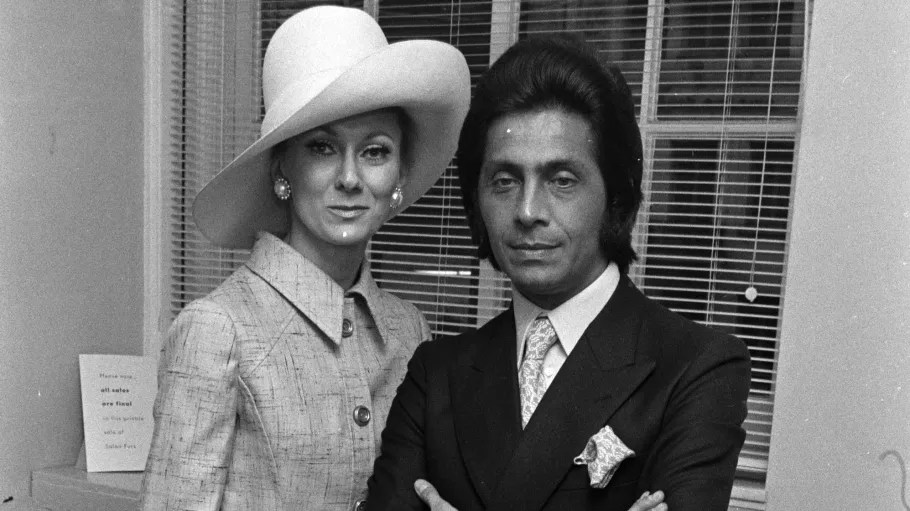
Valentino’s early collections demonstrated his mastery of couture technique and dramatic flair. But it was the Palazzo Pitti show in Florence in 1962 that first announced him to the international fashion world and set the stage for a career that would rival any Parisian house.
Perhaps no signature of his career is as iconic as Valentino Red — a bold, vibrant crimson that he first introduced in 1969. Inspired by a woman he saw in a red dress at the opera in Barcelona, this shade became an enduring hallmark of his brand. Named Rosso, it became so emblematic that Pantone later codified it — a rare honor for any designer and testament to Valentino’s cultural impact.
The Power of Partnership: Giancarlo Giammetti
Behind every great creative genius, there is often an equally important partner crafting the business strategy and guiding the growth of the brand. For Mr. Garavani, that person was Giancarlo Giammetti. They met in Rome in 1960, the same year Valentino established his company. Giammetti, a trained architect with a keen eye for business, helped transform Valentino from a couture atelier into a global luxury powerhouse.
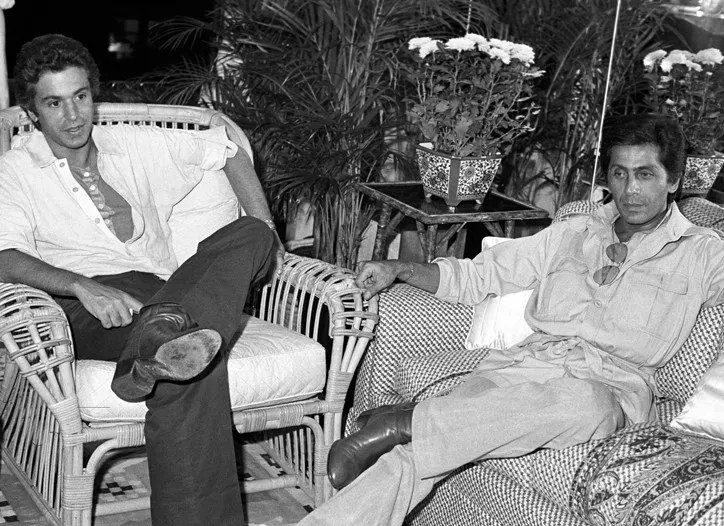
Their collaboration spanned decades and became the backbone of the Valentino enterprise. Giammetti’s acumen allowed Valentino to concentrate on what he did best — designing garments that celebrated women. Together, they built boutiques in Milan, Rome, and New York, fostered cultural projects like the Valentino Academy, and cultivated relationships with elite clients and tastemakers around the world.
While Valentino later spoke candidly about his personal life and never married, his connection with Giammetti was profound — both professionally and personally in their earlier years. Their story is one of enduring partnership that helped shape the very structure of luxury business in the 20th century.
Dressing Icons: Legendary Clients and Red Carpet Royalty
Valentino’s impact on fashion is best measured by the constellation of names that called upon his atelier. His clients were not just patrons of fashion but cultural icons whose choice to wear his creations turned garments into historical moments.
One of Valentino’s earliest and most influential clients was Jacqueline Kennedy Onassis. After the assassination of President John F. Kennedy in 1963, Jackie selected Valentino to create a wardrobe of black and white dresses — an act of elegance in grief that etched both her and Valentino into fashion history. She later chose him to design her wedding outfit for her 1968 marriage to Aristotle Onassis.
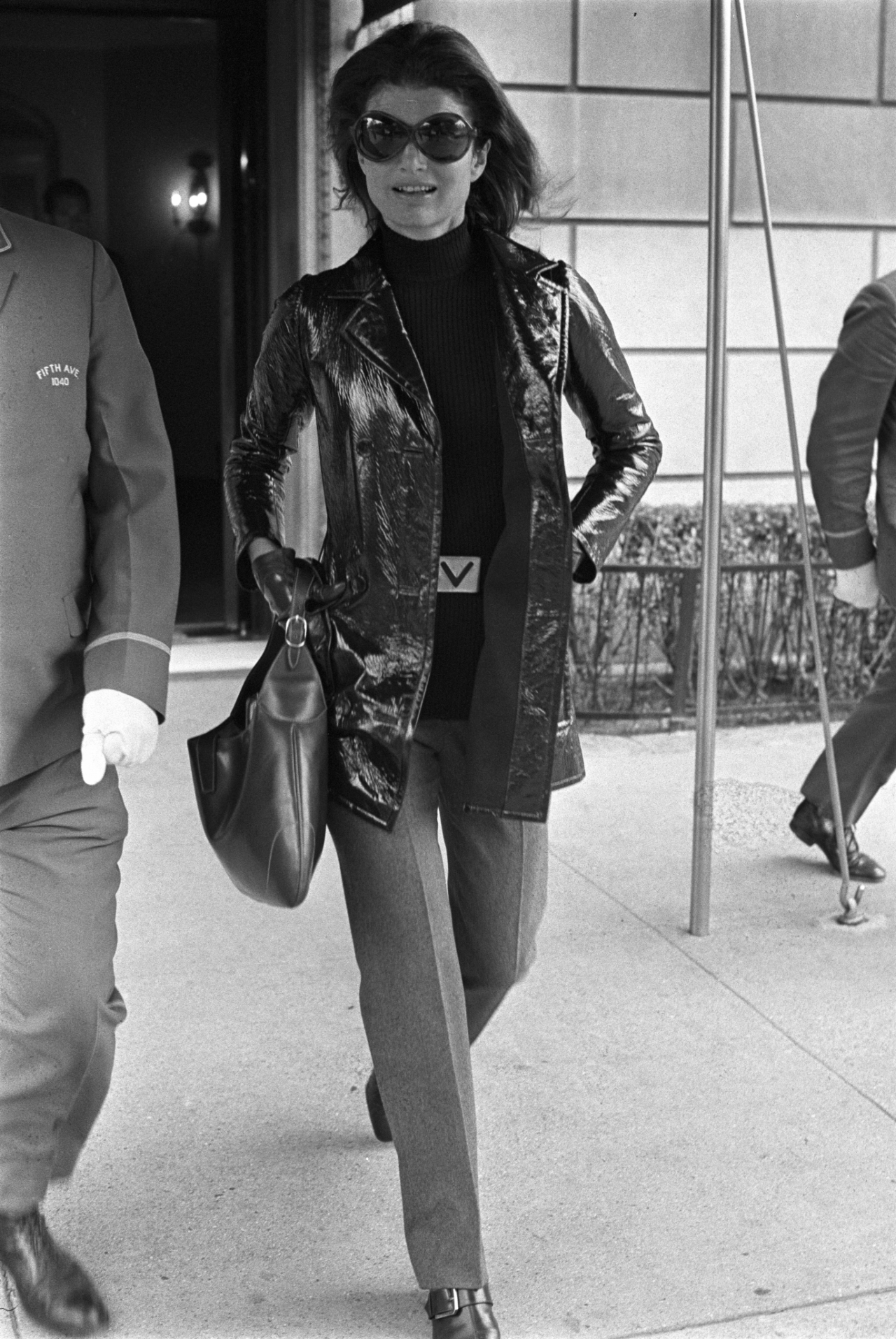
Over the decades, his atelier dressed queens and actresses alike. Elizabeth Taylor, with her penchant for grandeur, gravitated toward Valentino’s opulent evening gowns. Audrey Hepburn embodied his refined, effortless elegance. Princess Diana and Sophia Loren were among his esteemed clients, as were Farah Diba, Queen of Iran, and Princess Margaret of England.
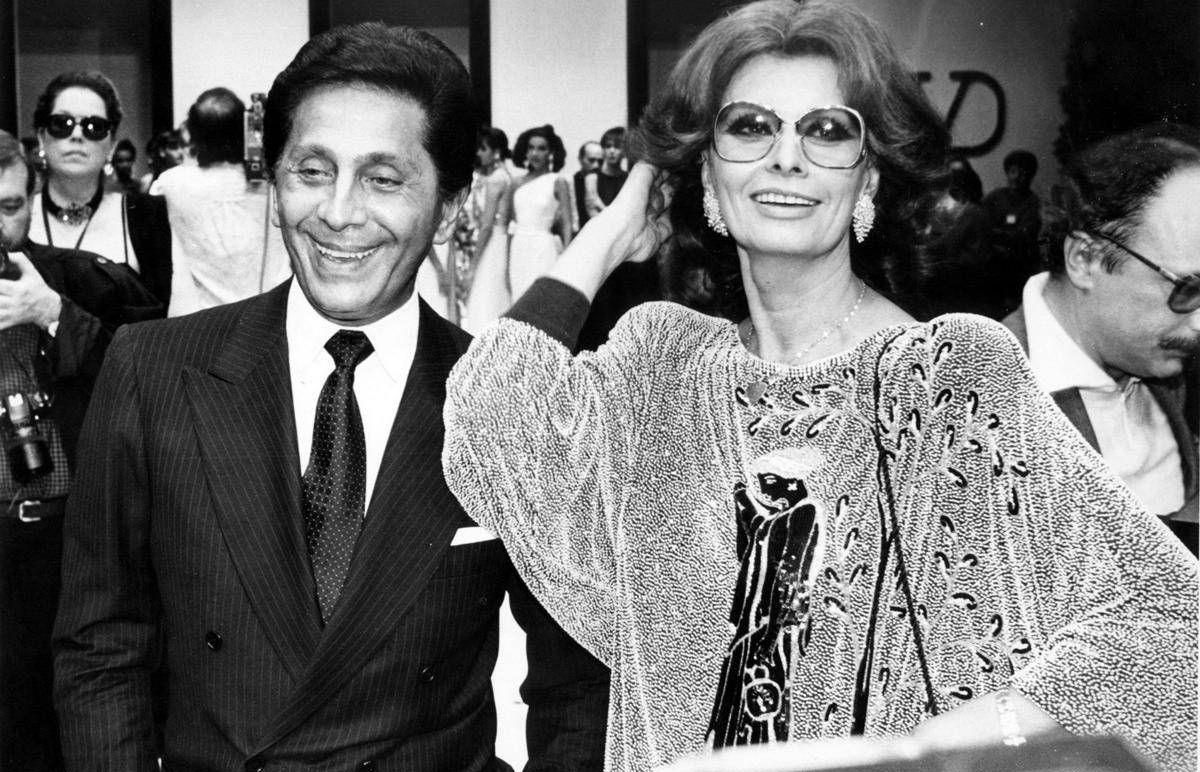
Valentino’s red carpet presence extended far beyond royalty. In 2001, Julia Roberts wore a vintage Valentino gown at the Academy Awards where she won Best Actress for her role in Erin Brockovich. The black and white dress became one of the most iconic moments in red carpet history, symbolizing Valentino’s ability to bridge classic couture with modern celebrity culture.
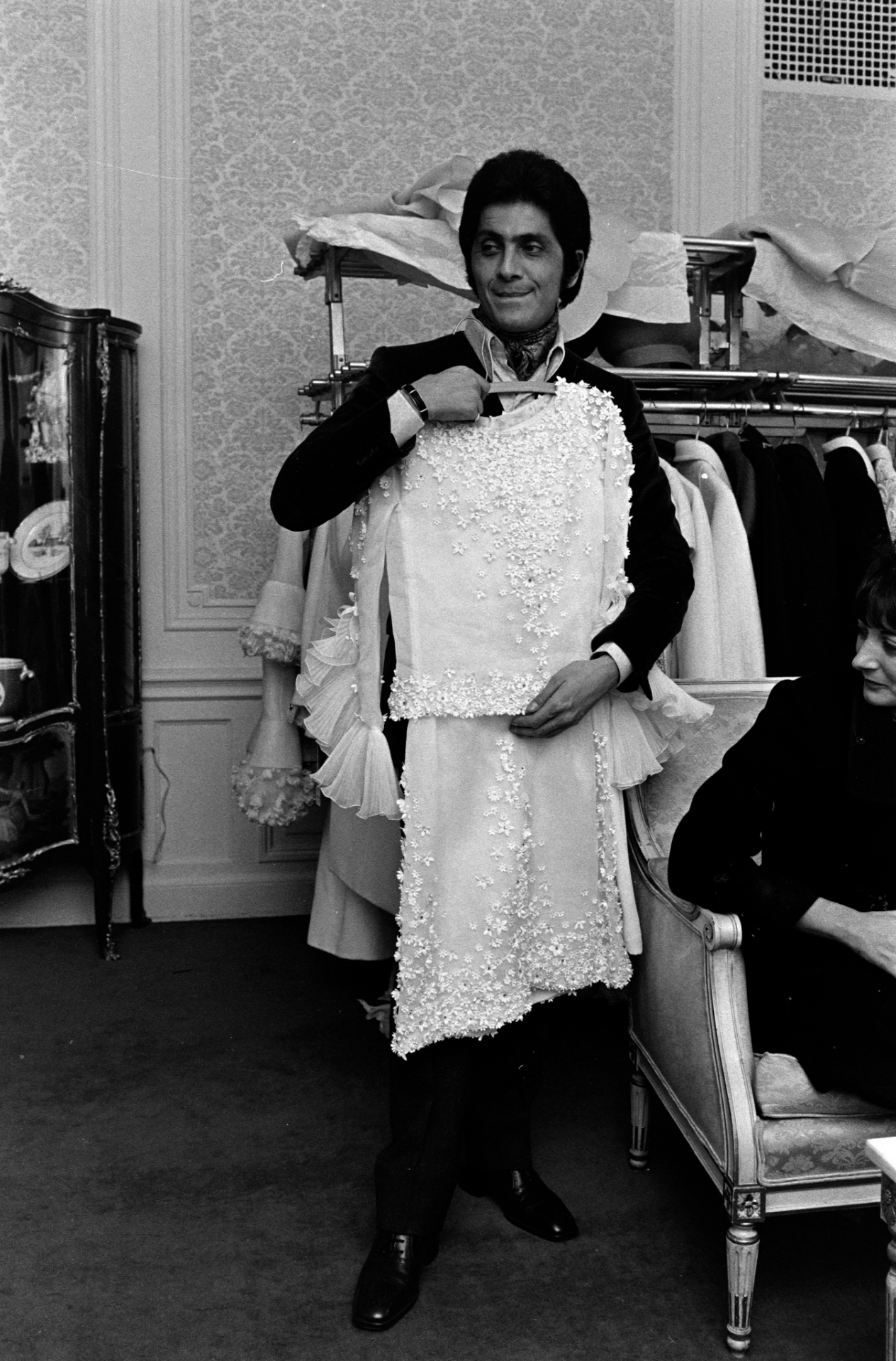
Jennifer Lopez selected Valentino for her 2001 wedding dress, a soft and romantic lace creation, while Anne Hathaway’s custom red Valentino gown at the Academy Awards in 2011 further cemented his relevance to multiple generations of style icons.
His creations have adorned contemporary celebrities as well, from Gwyneth Paltrow to Zendaya — often blending archival elegance with fresh interpretation.
Valentino was more than a designer; he was a custodian of cultural moments. Each gown, each silhouette, became part of the personal narrative of women whose names are forever recorded in the annals of fashion and pop culture.
Supermodels, Peers, and the Couture Stage
Valentino’s influence extended beyond his clientele. In the 1990s and early 2000s, as fashion embraced the era of the supermodel, he was among the designers whose runways showcased the era’s greatest icons. Naomi Campbell, Claudia Schiffer, Elle Macpherson, and others strutted his clothes with effortless poise and international flair.
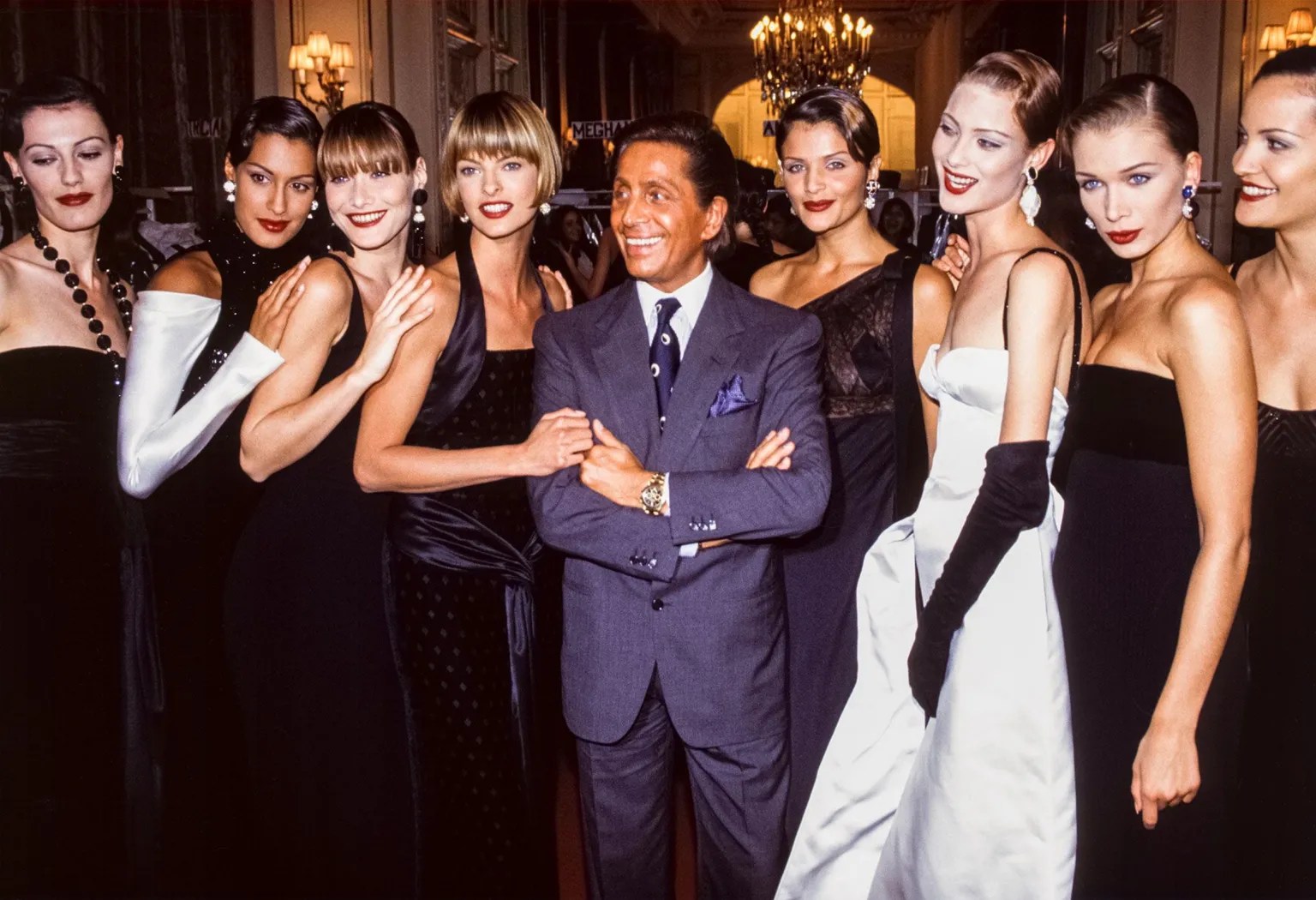
His relationships with contemporaries like Giorgio Armani highlighted a moment of Italian fashion ascendancy on the global stage. Italian designers collectively reshaped the perception of luxury, shifting some of the fashion world’s center of gravity from Paris to Milan and Rome.
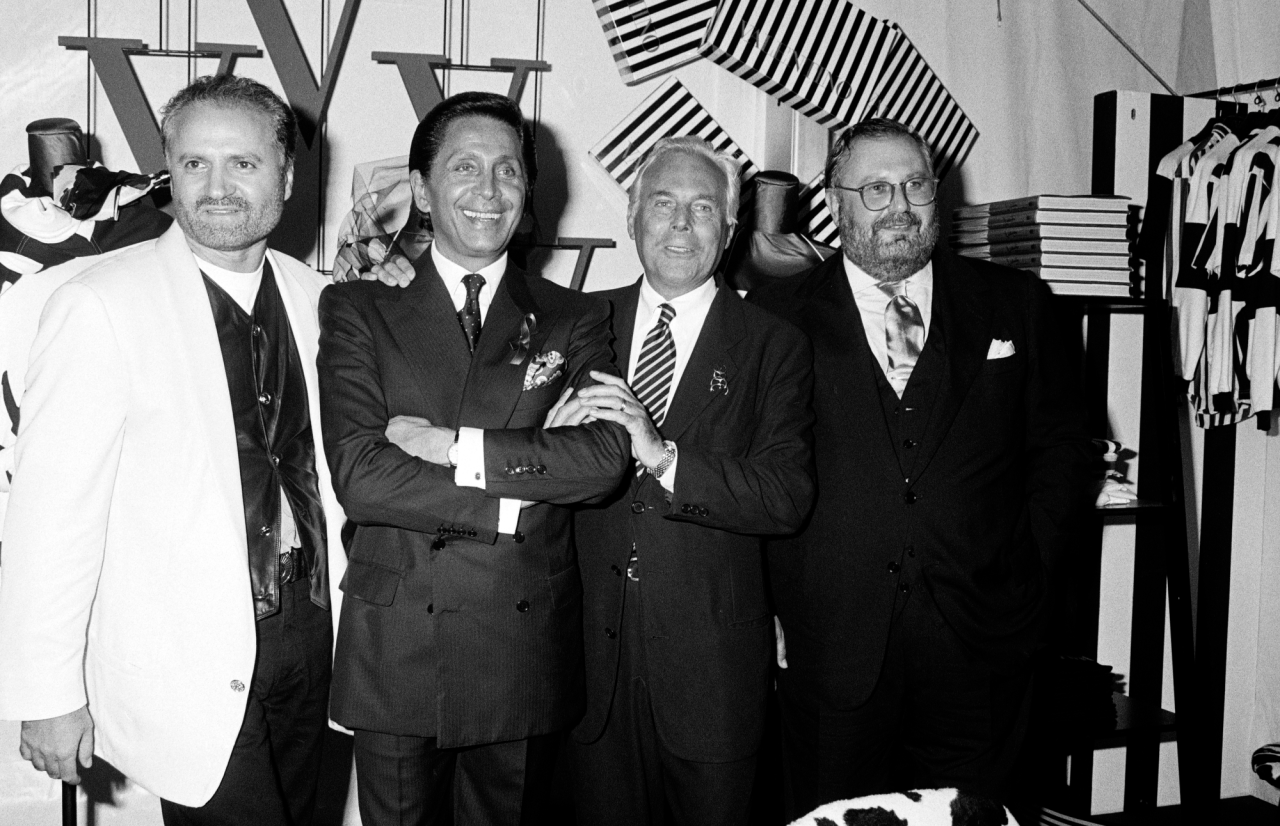
Valentino’s connection to the broader cultural elite also encompassed friendships with artists, editors, and tastemakers. New York’s Vogue editor Diana Vreeland and artist Andy Warhol were among the luminaries of his social circle, reflecting a life lived at the intersection of fashion and art.
Legacy and Lasting Influence
Valentino’s official retirement came in 2008 with a final haute couture show that was as much a celebration as a farewell. His legacy, however, continues through the maison he founded and the designers who followed in his footsteps. After his retirement, creative directors such as Maria Grazia Chiuri and Pierpaolo Piccioli carried forward his vision, maintaining his emphasis on rich craftsmanship and color.
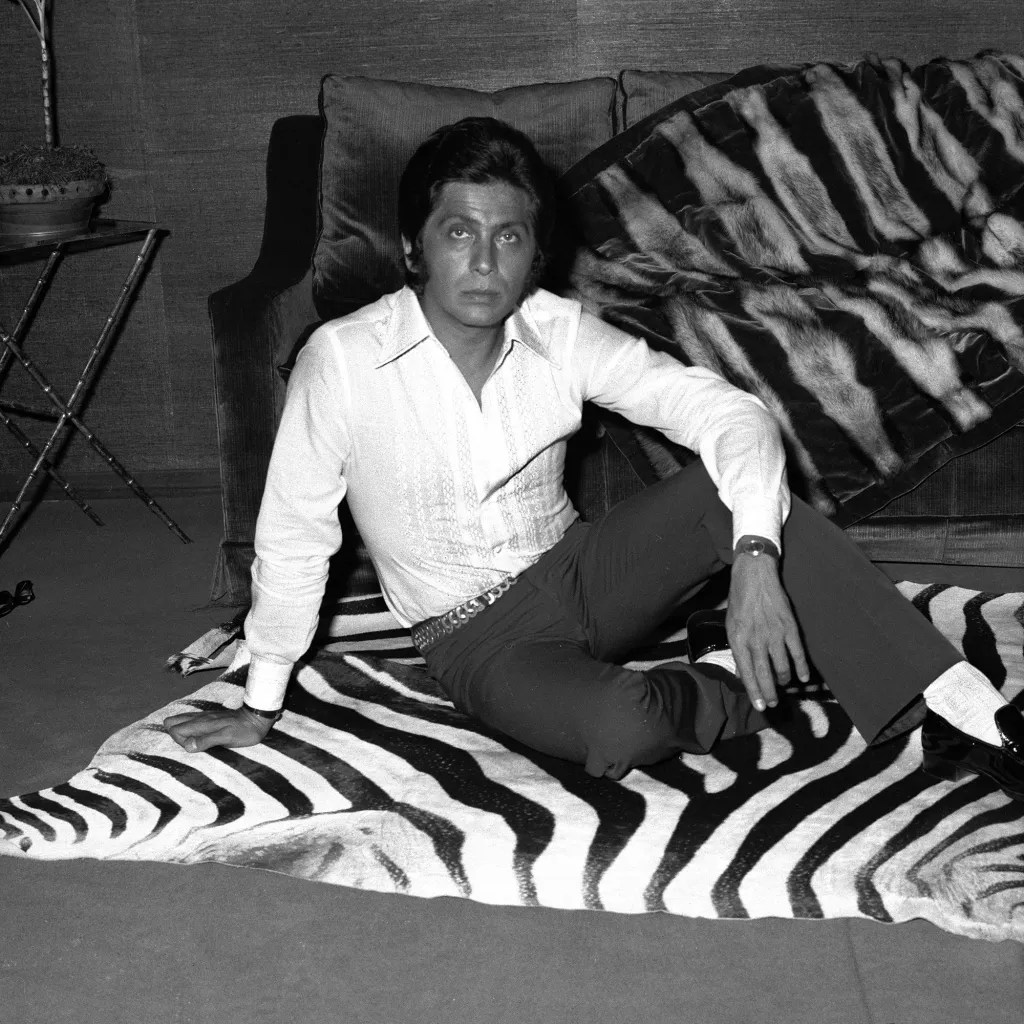
His philosophical impact on fashion remains vital. He believed in clothing that celebrated femininity, confidence, and timeless beauty rather than ephemeral trends. This commitment to enduring elegance, paired with an unerring instinct for spectacle, continues to inspire designers and wearers alike.
Today, Valentino’s signature aesthetic is more than fashion history; it is part of the lexicon of luxury. Rosso Valentino persists as a symbol of passion and power. The countless moments he shaped on red carpets and at white tie events are woven into cultural memory. His designs are preserved in museums and cherished in personal collections, each piece a testament to the enduring romance of couture.

