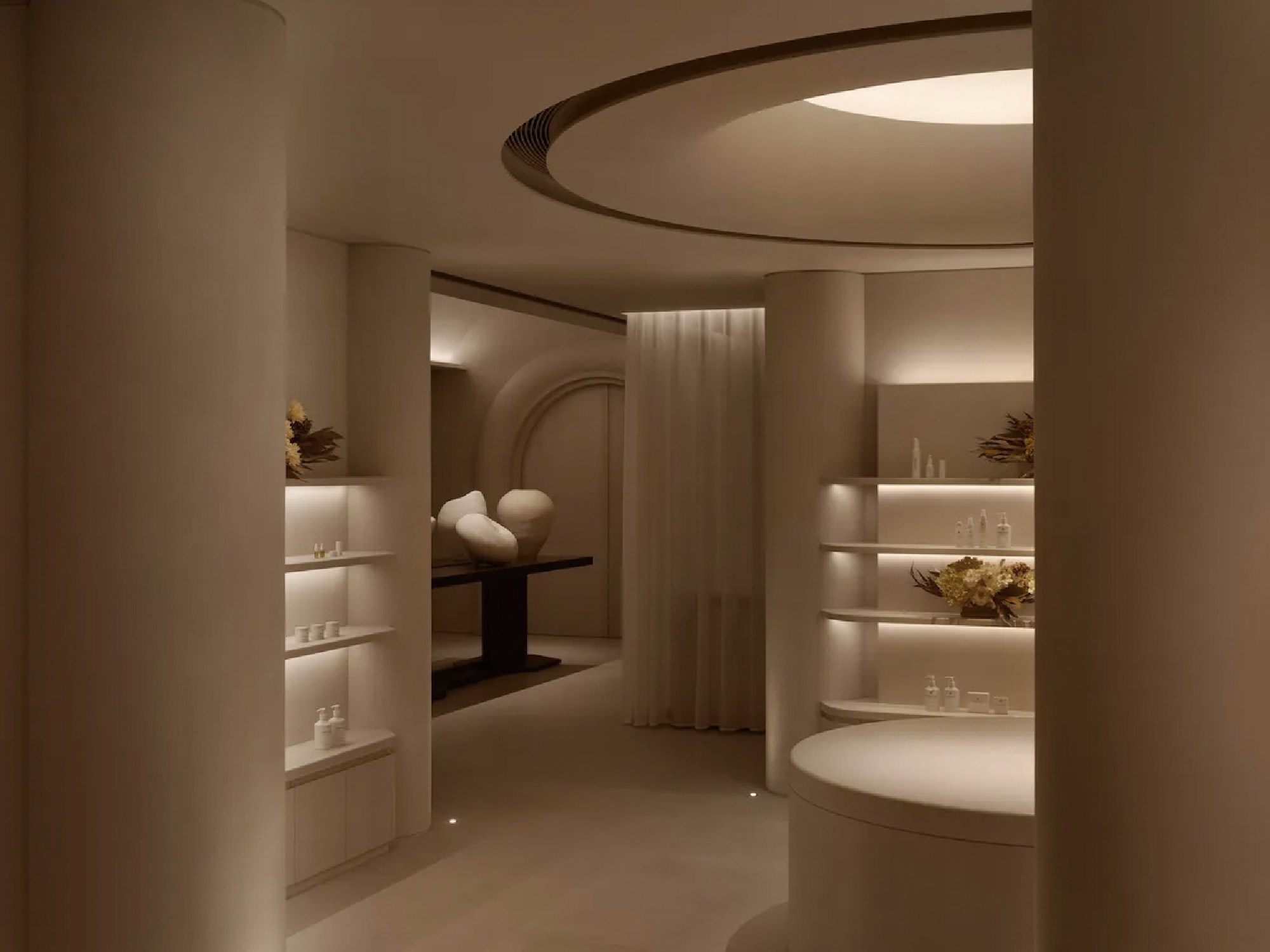
Capella Taipei: A New Design Landmark in the Heart of the City
A Long-Awaited Arrival on Dunhua North Road
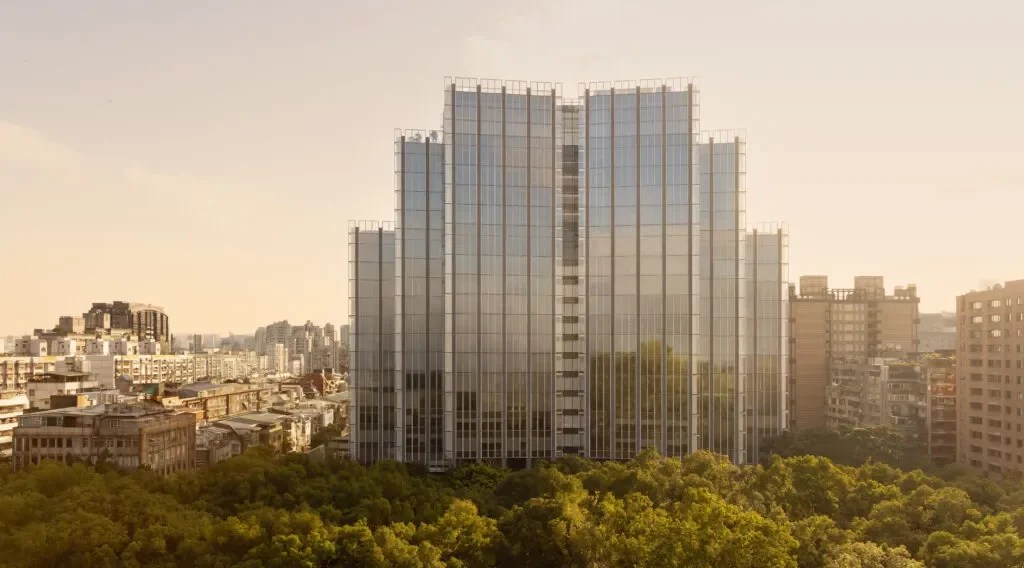
Capella Taipei marks a pivotal moment for Taiwan’s luxury hospitality scene. Opening on Dunhua North Road, one of the city’s most elegant and tree-lined avenues, the hotel represents the first major international luxury hotel launch in Taipei in over a decade. Its arrival signals renewed confidence in the city’s position as a cultural, creative, and design-forward destination in Asia.
The hotel occupies the lower levels of a contemporary tower developed with the Mori Building Group, a name synonymous with architectural precision and urban sophistication. From the outset, Capella Taipei was conceived not as a conventional hotel but as a private urban sanctuary, offering an experience shaped by restraint, proportion, and material intelligence.
Architecture That Balances Presence and Discretion
Externally, Capella Taipei does not compete for attention through excess. Instead, its architectural expression favors clarity and calm. The glass and metal facade reflects the surrounding greenery of Dunhua North Road, allowing the building to sit harmoniously within its environment rather than dominate it.
This architectural restraint establishes the tone for the entire experience. The transition from the street into the hotel feels intentional and measured, creating a psychological shift from urban energy to interior calm. The sense of arrival is subtle but unmistakable, guided by scale, light, and texture rather than spectacle.
Interiors Conceived as a Modern Urban Mansion
The interiors were designed by André Fu, whose approach emphasizes emotional resonance over visual excess. His vision for Capella Taipei was that of a modern mansion, a place that feels intimate, layered, and deeply residential despite its scale.
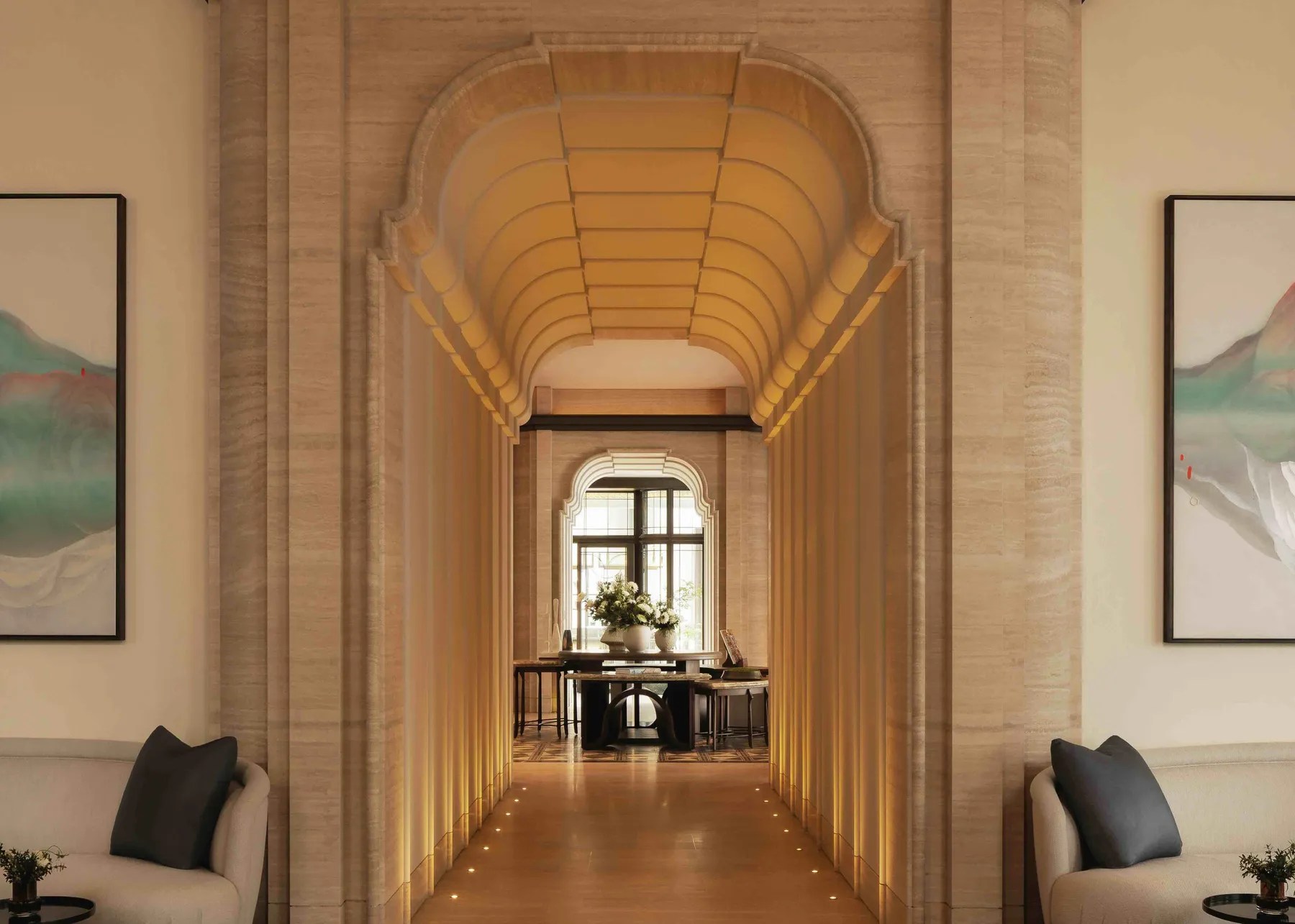
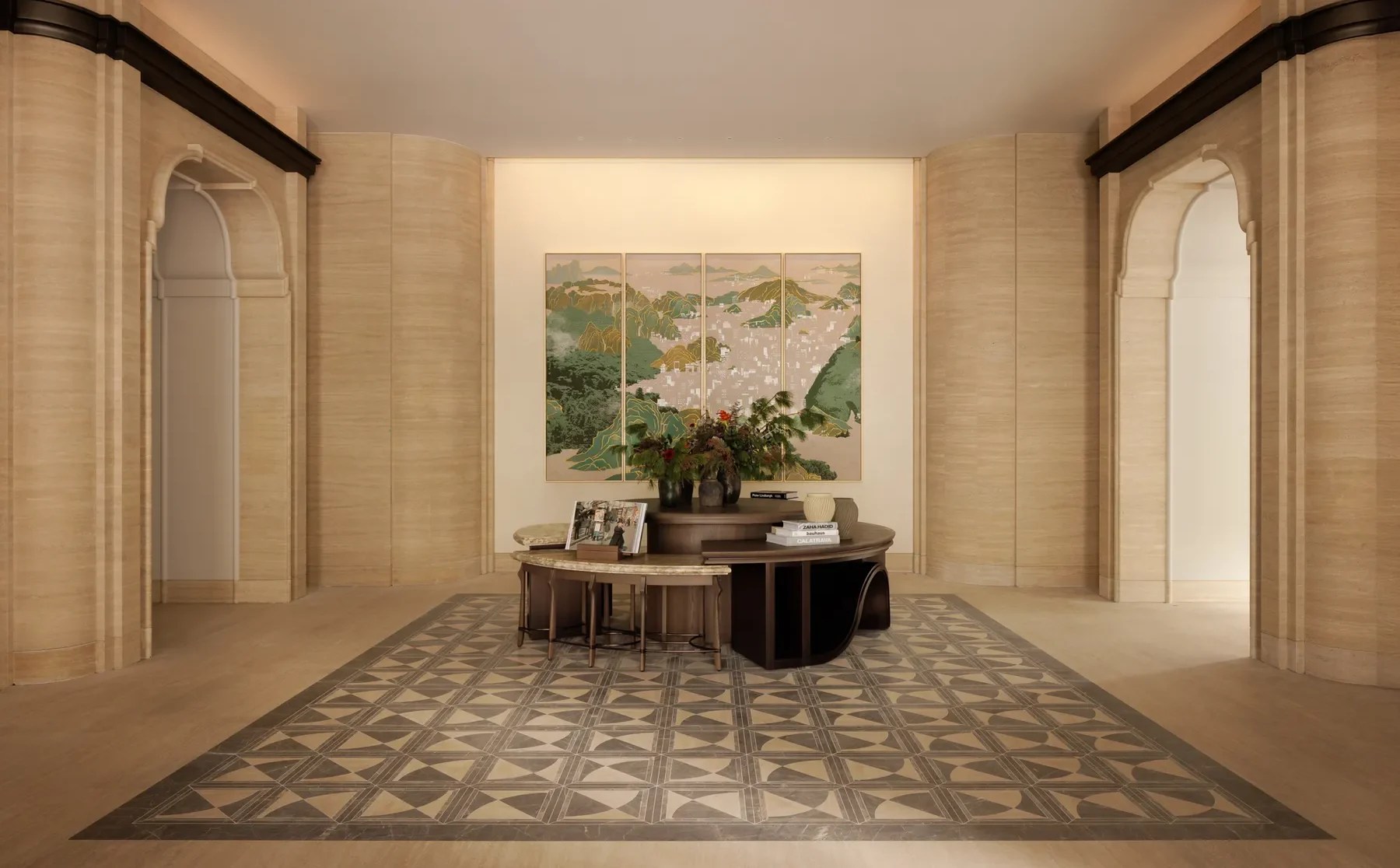
Upon entering, guests are welcomed through imposing bronze doors that open into a marble-lined vestibule. The materials are luxurious yet understated, allowing craftsmanship to take precedence over ornamentation. The lobby unfolds gradually, revealing carefully framed views, soft lighting, and tactile surfaces that invite pause rather than movement.
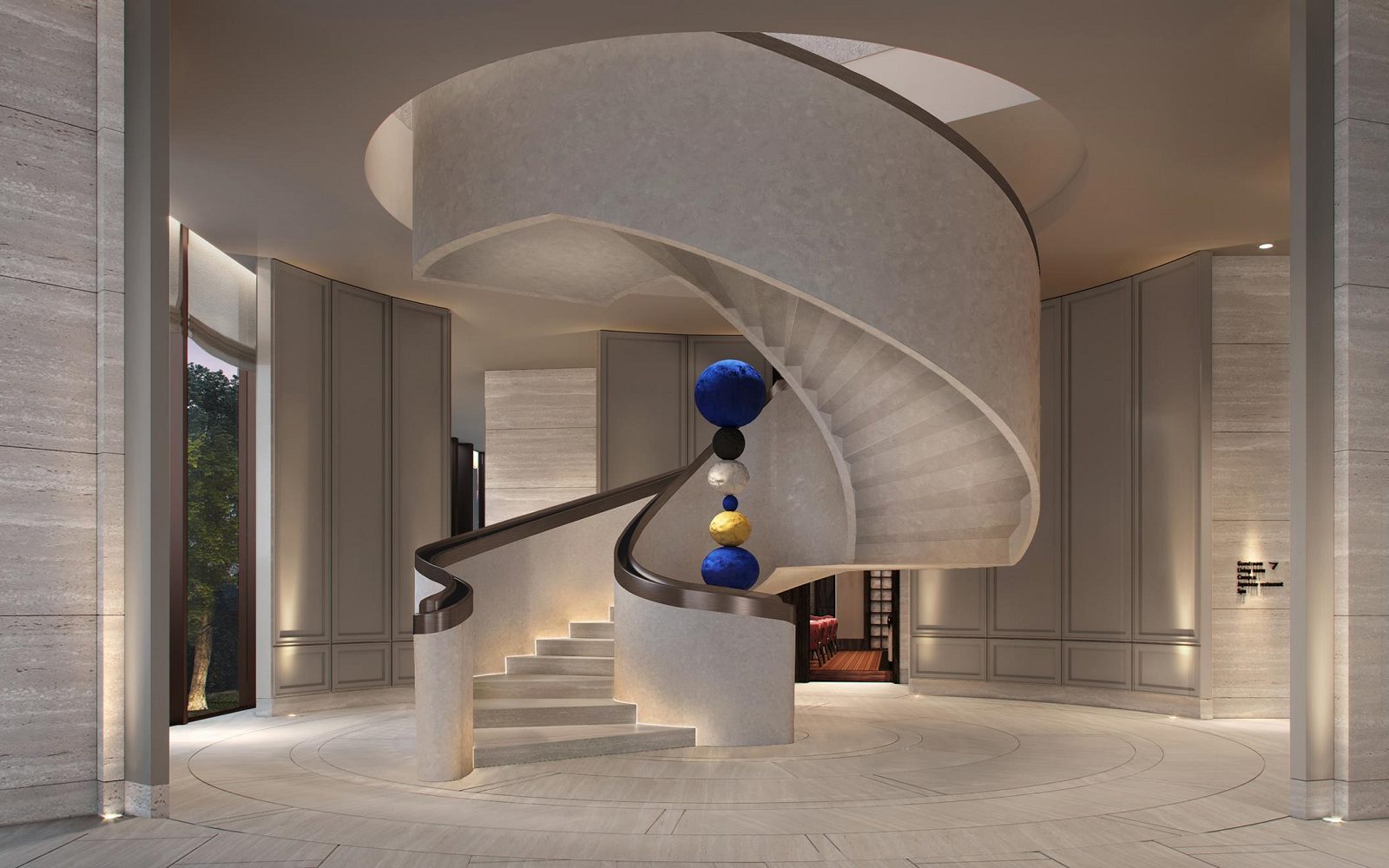
At the heart of the space stands a sculptural spiral staircase, a defining design element that connects floors both physically and visually. Its fluid curves and handcrafted wood detailing introduce warmth and human scale, while a vertical art installation rises alongside it, reinforcing the hotel’s dialogue between architecture and art.


A Palette Defined by Material and Light
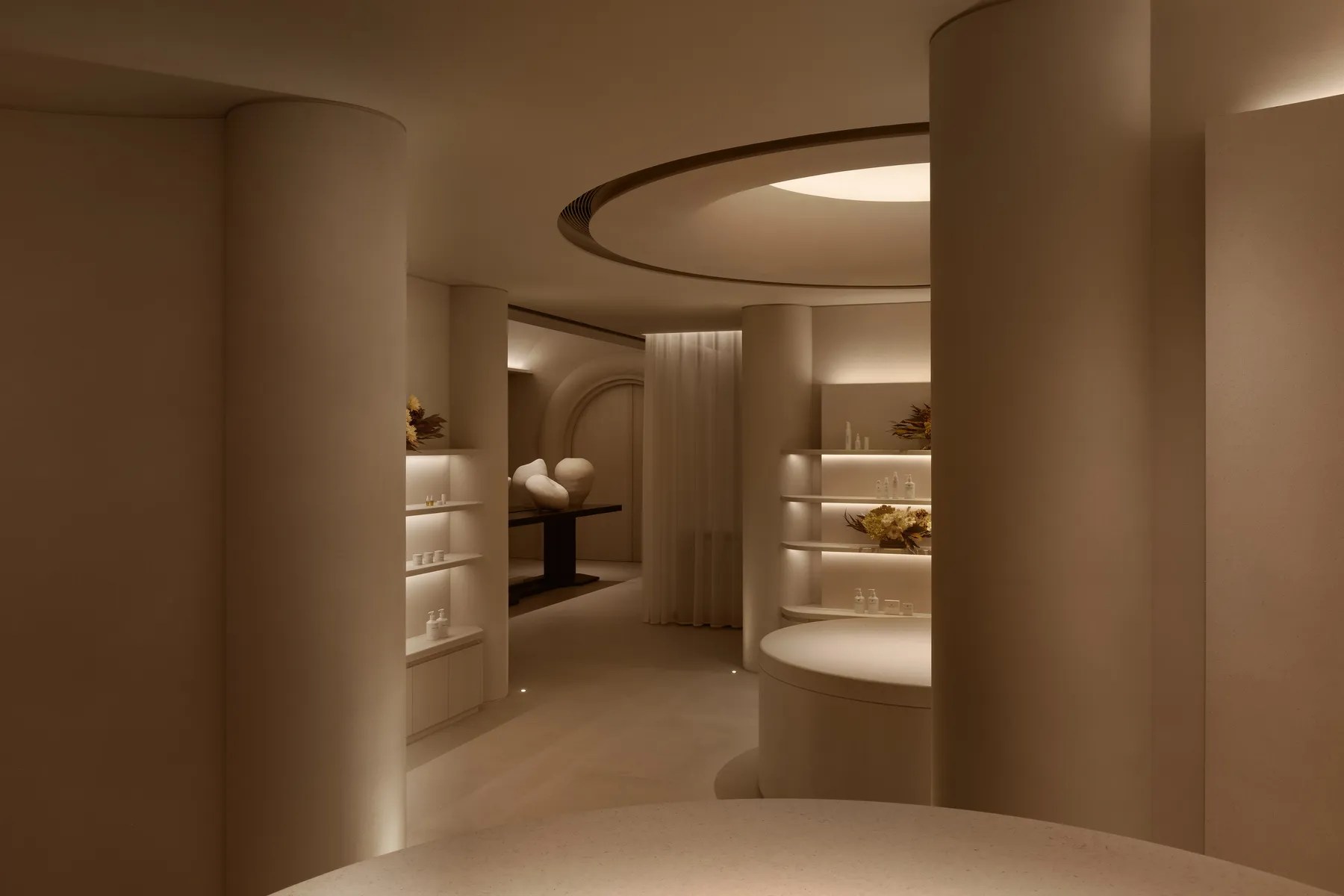
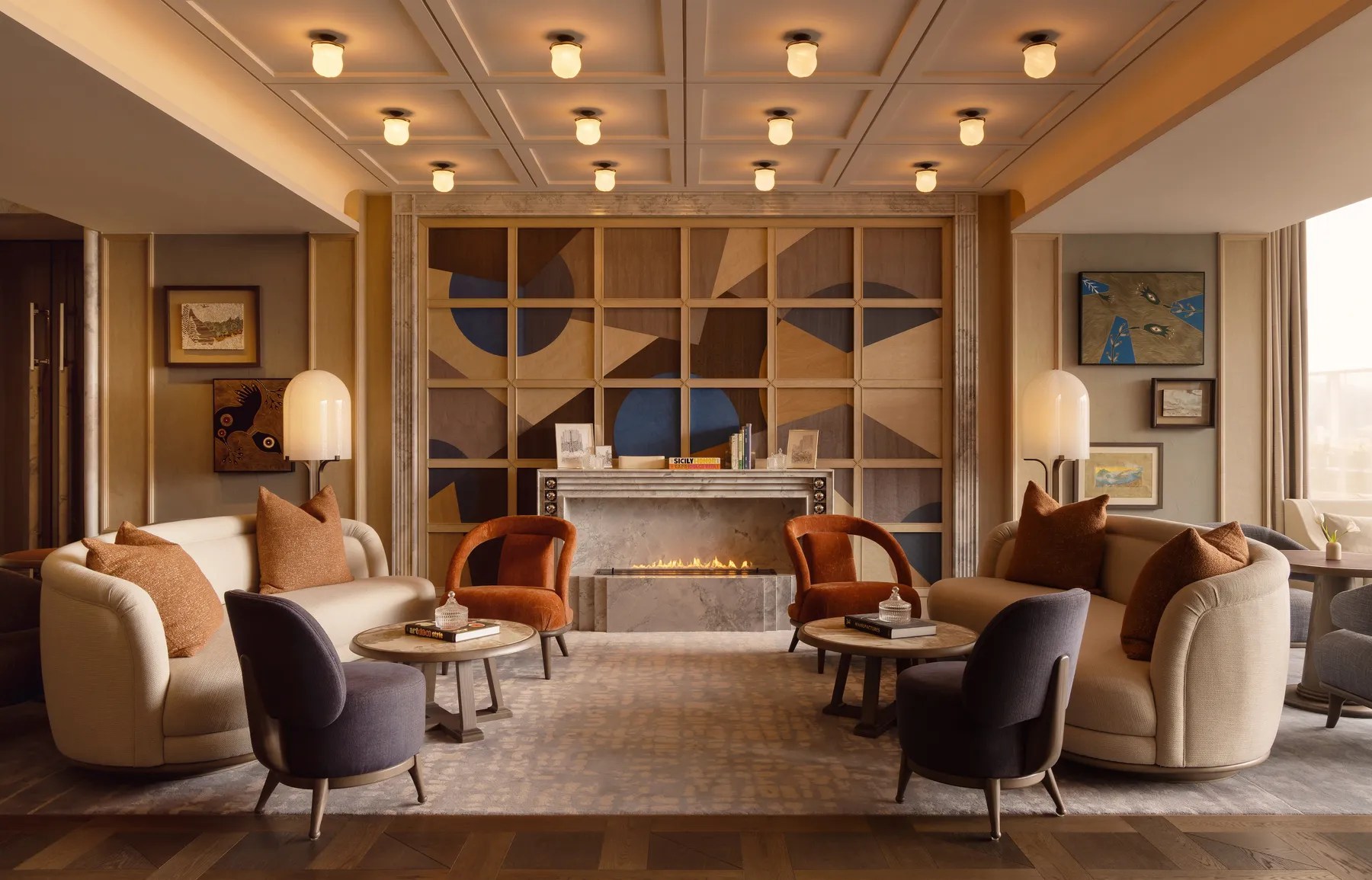
Throughout Capella Taipei, the design language is consistent and deliberate. Natural stone, warm woods, brushed metals, and hand-finished surfaces dominate the interiors. The color palette leans toward soft neutrals, muted earth tones, and gentle contrasts, creating a calming atmosphere that evolves subtly throughout the day.
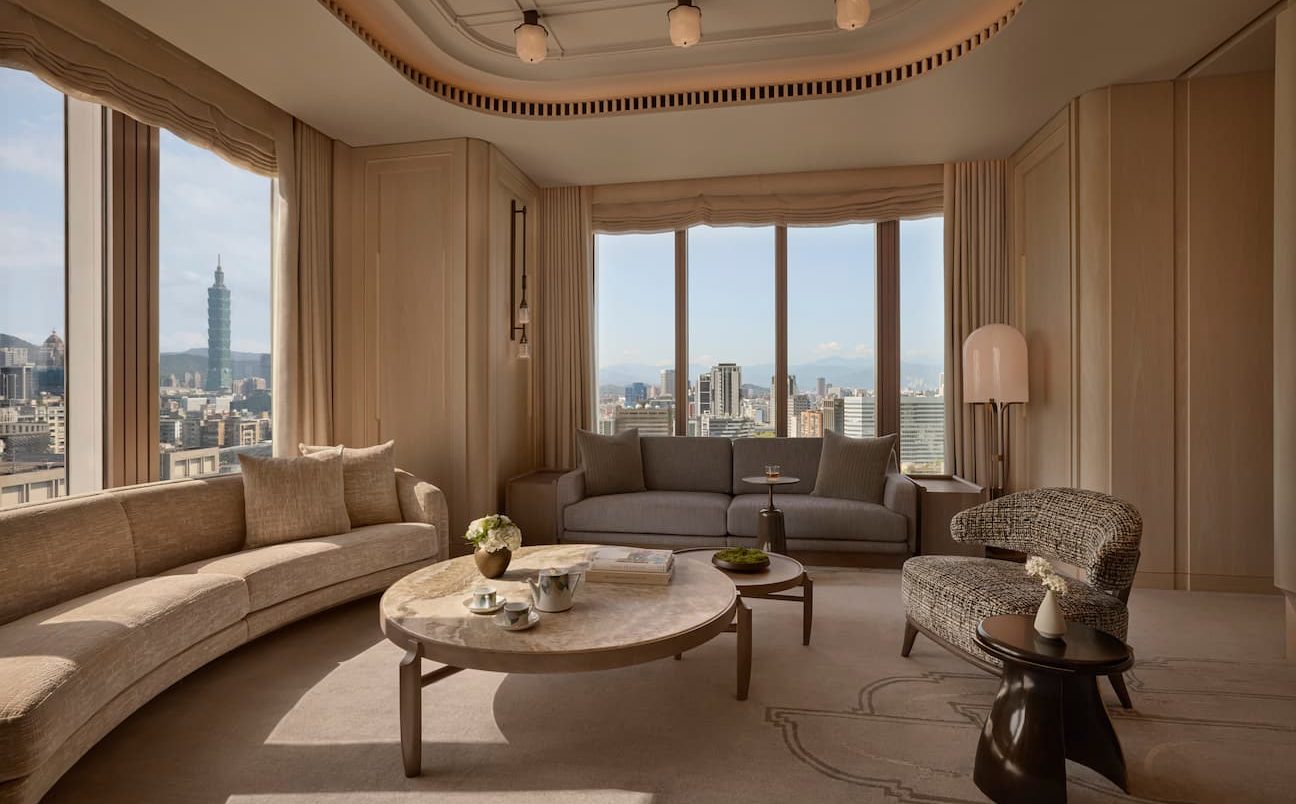
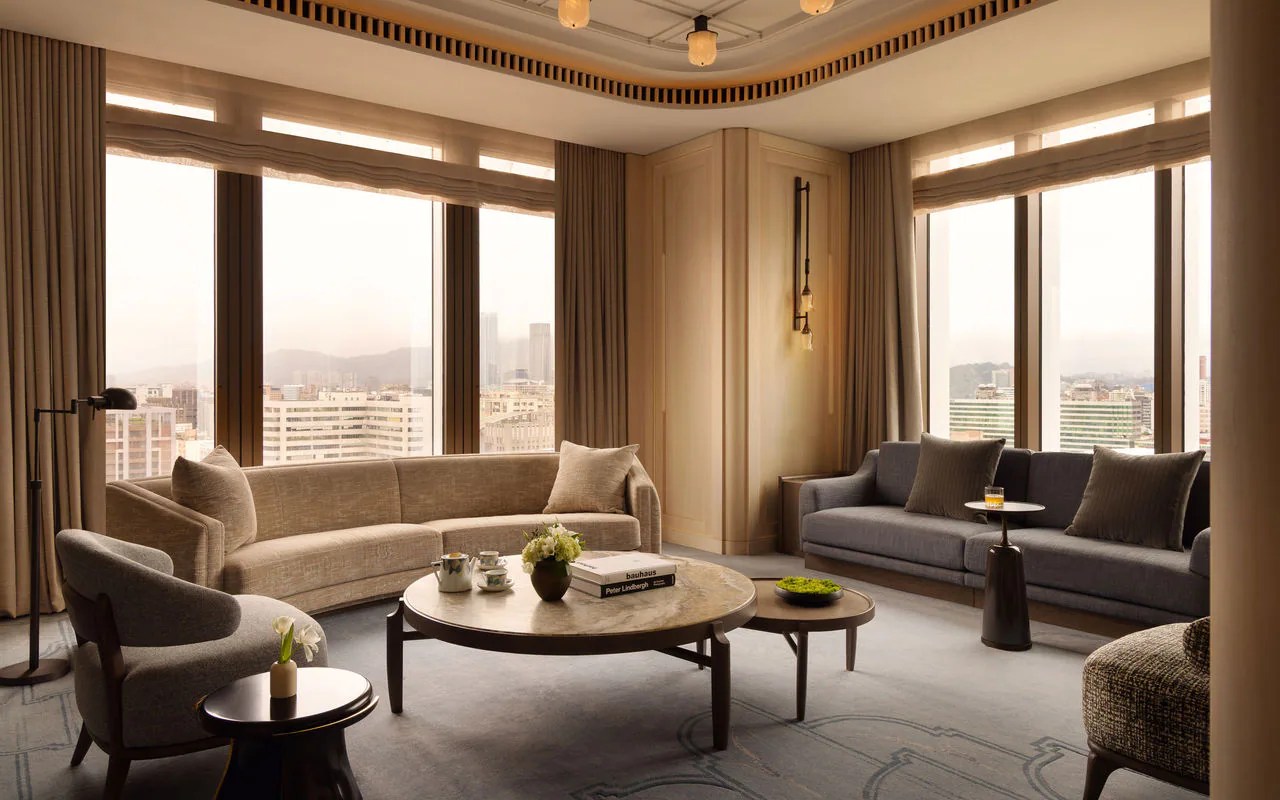
Light plays a central role in shaping the experience. Floor-to-ceiling windows draw daylight deep into public and private spaces, while carefully positioned lighting fixtures provide warmth and intimacy after dark. The effect is immersive and residential, reinforcing the feeling of inhabiting a refined private home rather than a commercial hotel.
Guest Rooms Designed for Space and Stillness
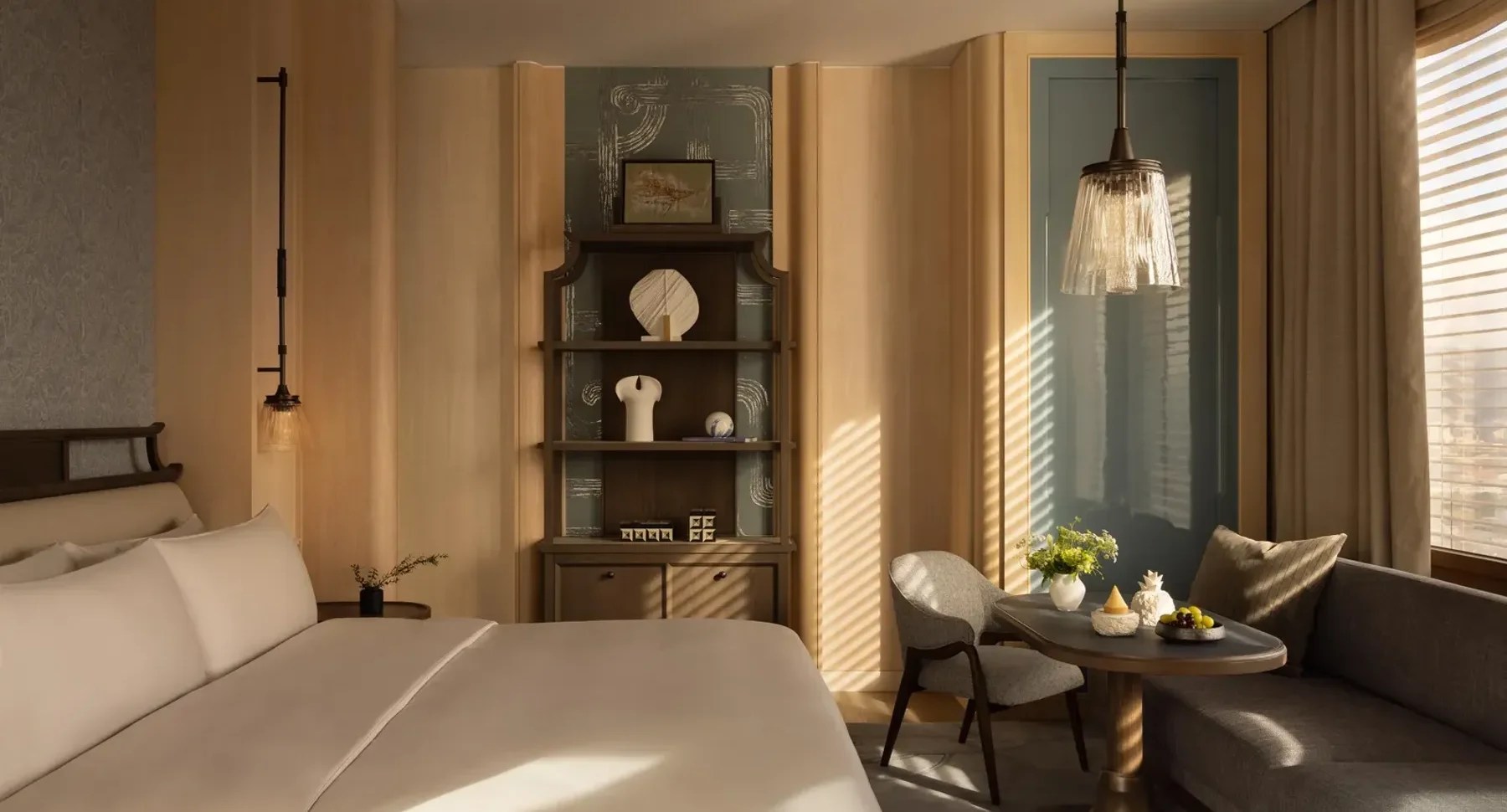
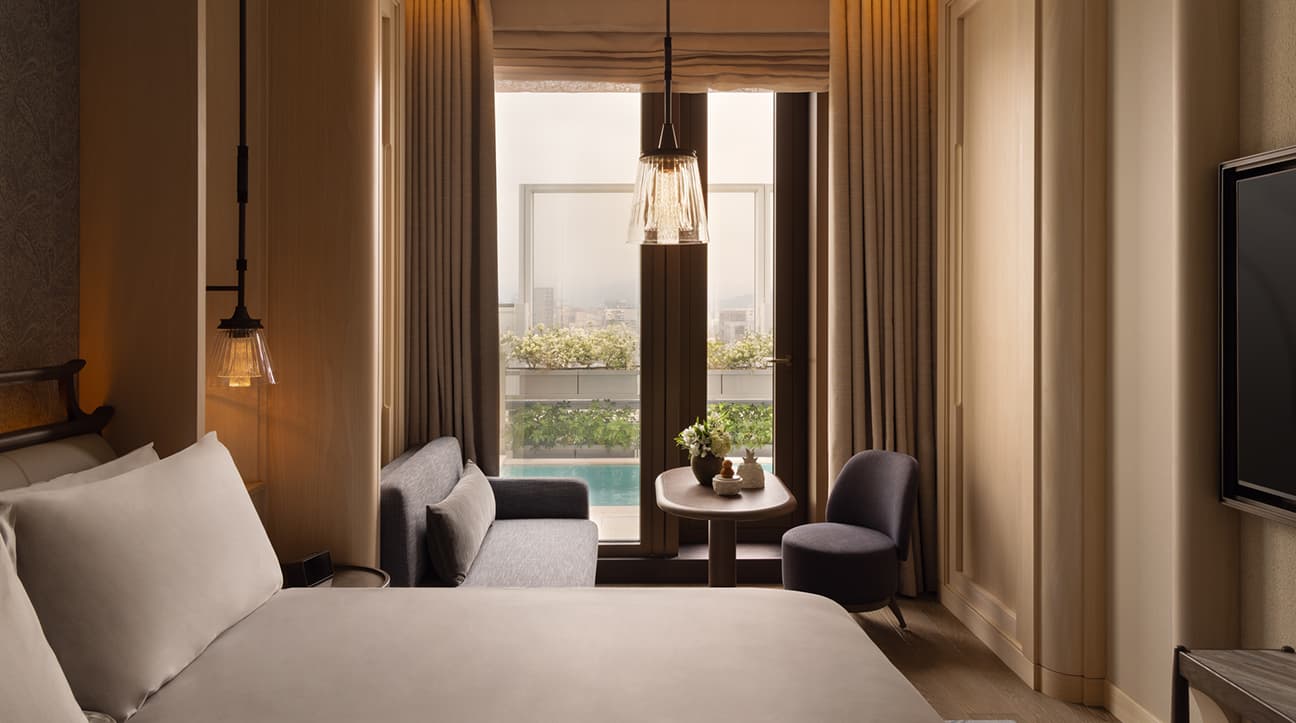
The hotel features 86 rooms and suites, each designed with a strong emphasis on proportion and privacy. Entry corridors open into generous living spaces, where the layout encourages slow movement and unhurried living.
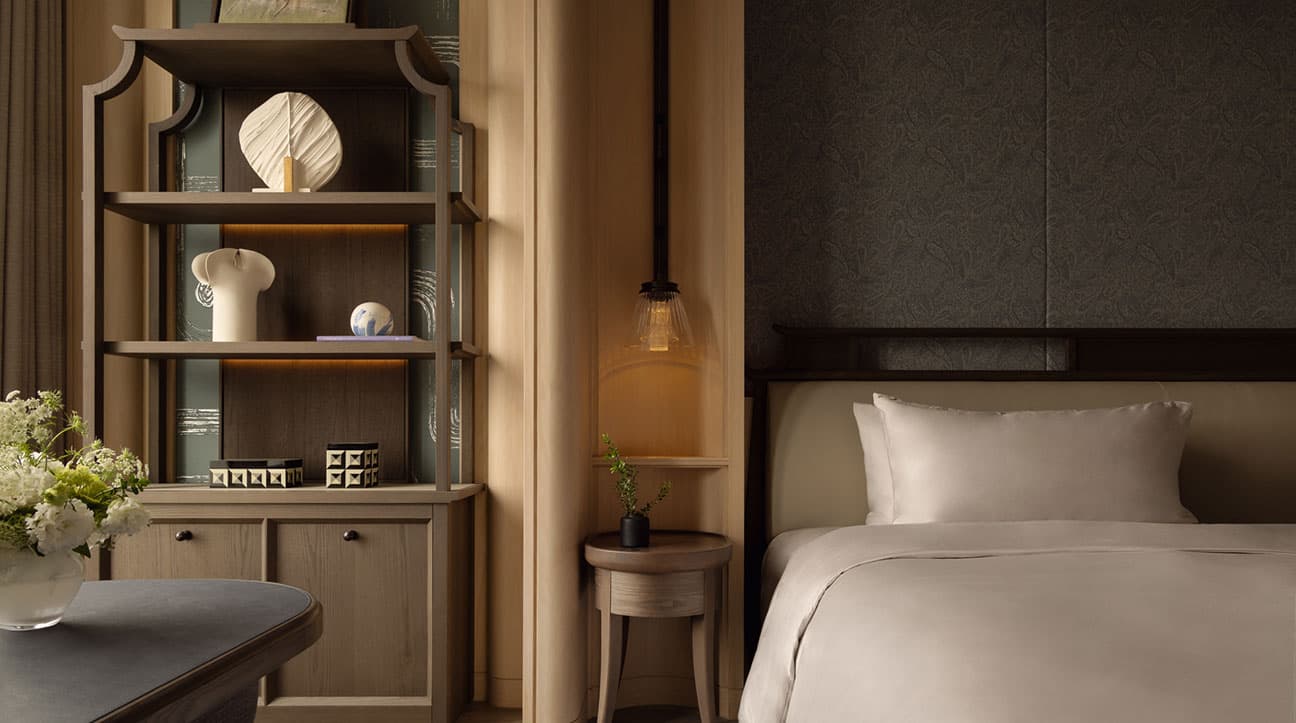
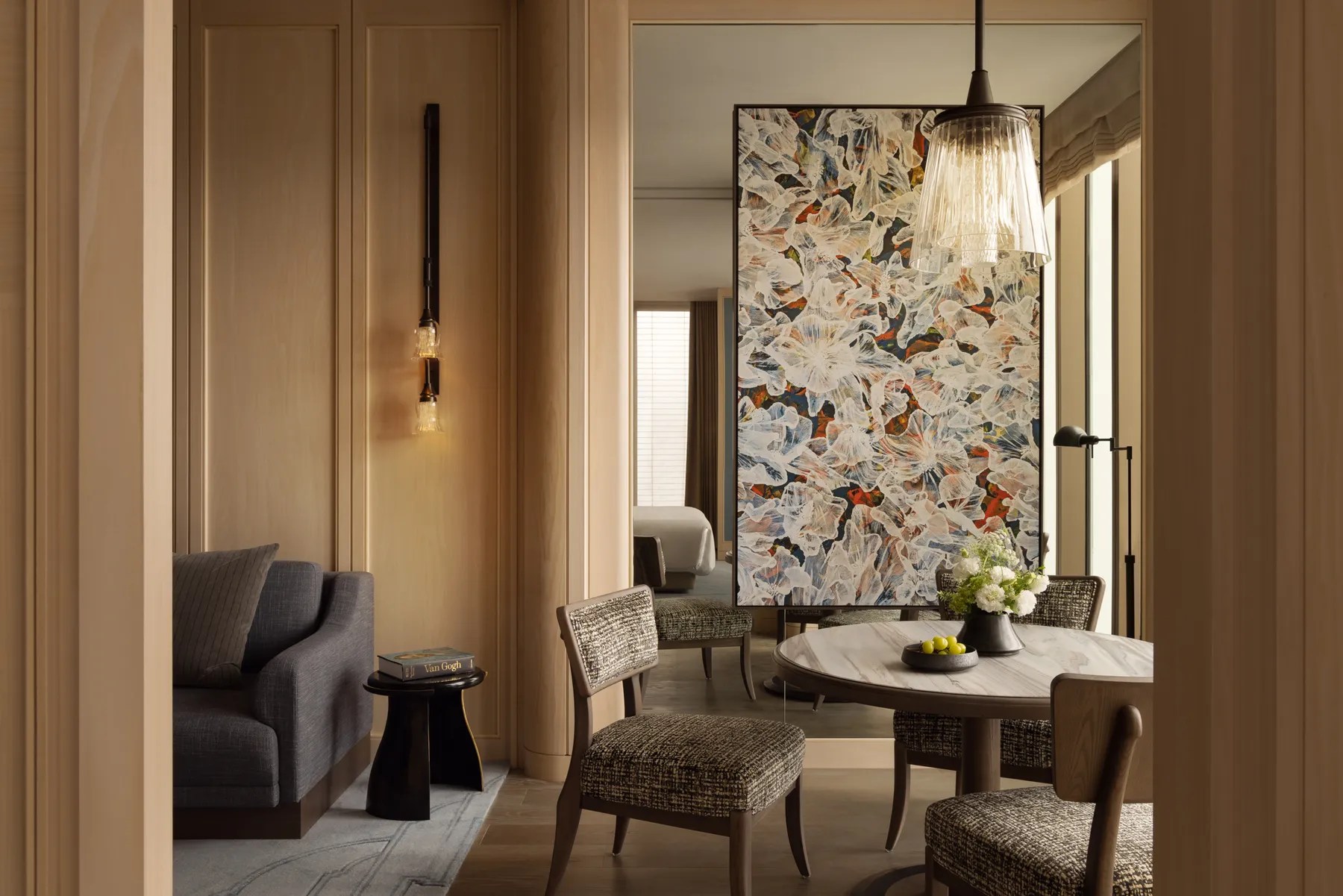
Blond wood paneling, custom-designed furniture, and hand-painted silk wall panels create visual softness and tactile richness. Bathrooms are equally considered, featuring stone surfaces, freestanding tubs, and seamless transitions between functional zones. Every element is placed to enhance comfort without visual clutter.
Several suites offer private outdoor terraces with plunge pools or jacuzzis, a rare luxury in central Taipei. These spaces extend the interior design outward, framing views of the city skyline while maintaining a sense of seclusion above the urban rhythm.
Art as an Integral Design Element
Art is not treated as decoration at Capella Taipei but as an essential component of the architectural narrative. Commissioned works are integrated into corridors, lounges, and transitional spaces, reinforcing a sense of discovery as guests move through the hotel.
Motifs inspired by Taiwan’s natural environment appear subtly throughout, from abstract interpretations of local flora to sculptural pieces that reference regional craftsmanship. These artistic interventions enrich the guest experience without overwhelming it, aligning with the hotel’s broader philosophy of quiet luxury.
Public Spaces That Encourage Connection and Calm
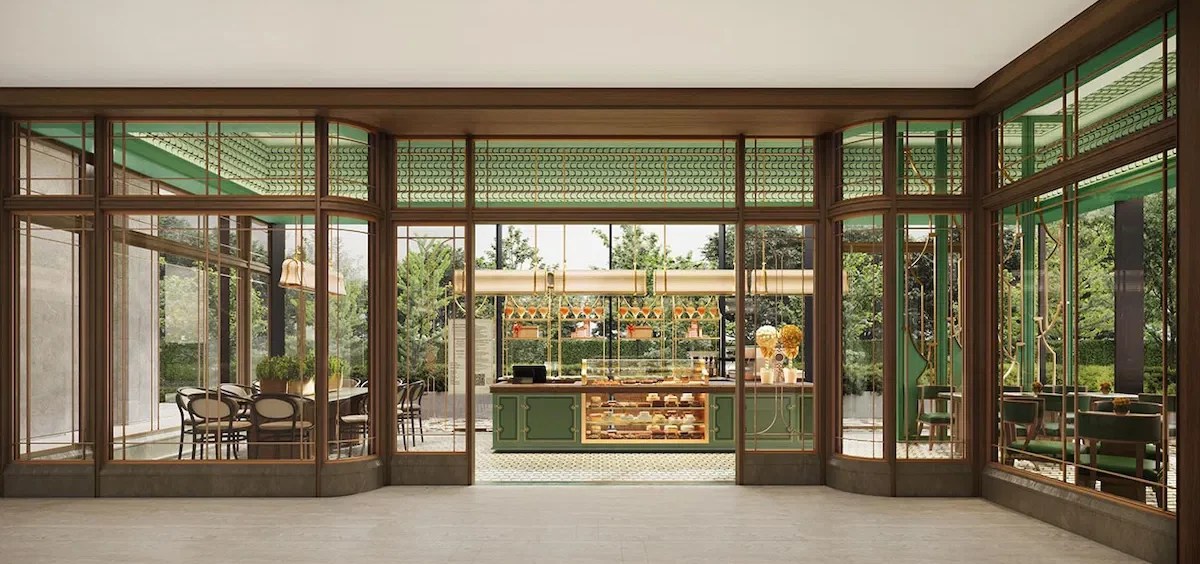
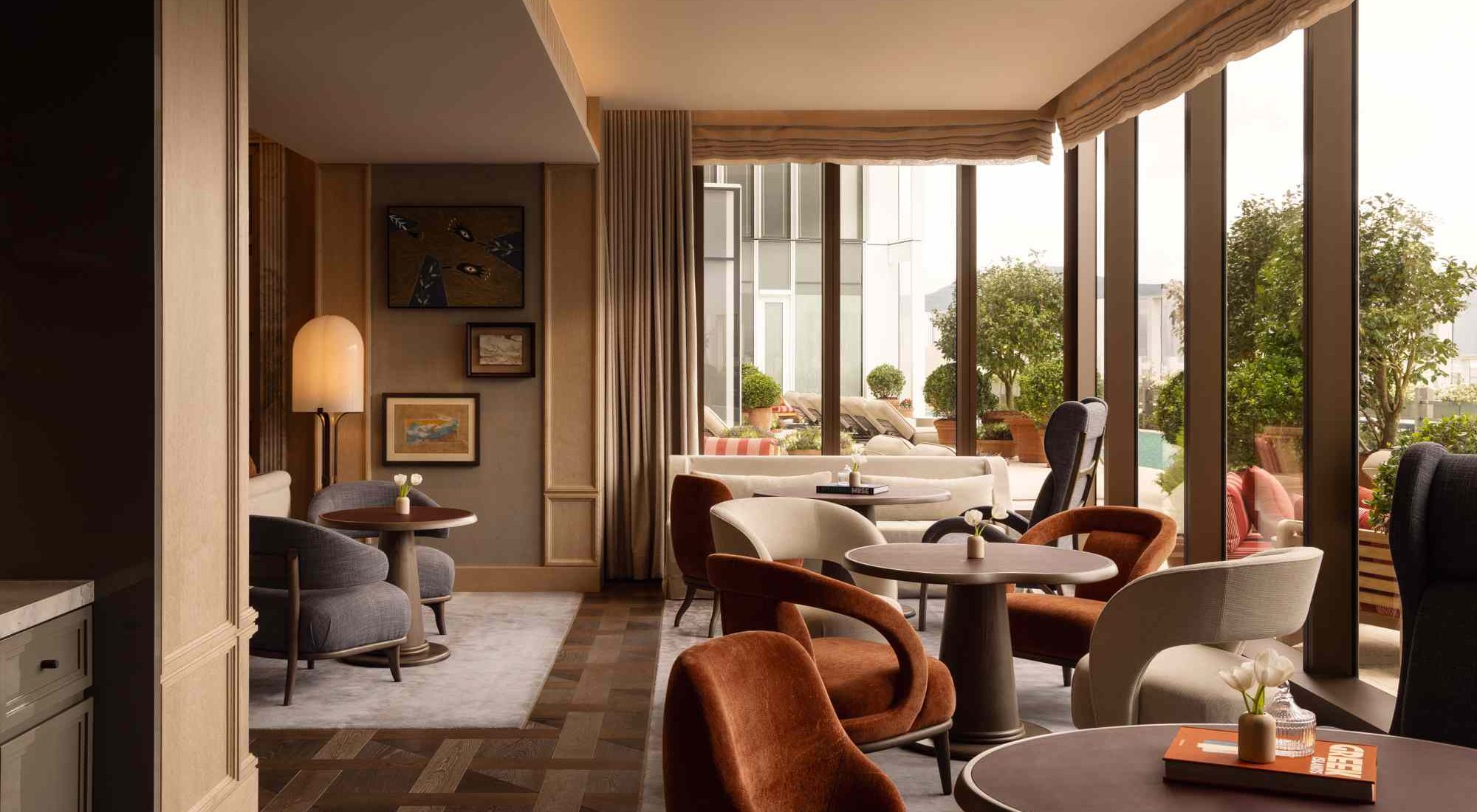
Capella Taipei’s communal areas are designed to foster both connection and solitude. The lobby lounge functions as a living room rather than a passageway, offering varied seating arrangements that support conversation, reflection, or observation.
Dining venues continue the design narrative through spatial intimacy and material refinement. Rather than dramatic statements, the restaurants focus on atmosphere, acoustics, and spatial flow. Textiles, lighting, and custom furnishings contribute to environments that feel elegant yet approachable.
On the upper levels, a 30-meter outdoor pool terrace introduces greenery into the urban setting. Framed by architectural lines and softened with planting, the pool area becomes a visual and emotional counterpoint to the city below.
Sustainability Embedded in Design Decisions
Sustainability was integrated into Capella Taipei from the earliest design stages. The building has achieved LEED Gold certification, reflecting its energy-efficient systems, intelligent lighting design, and responsible material sourcing.
Rather than presenting sustainability as a visible feature, the hotel embeds it quietly within its infrastructure. Efficient climate control, water-saving technologies, and thoughtful construction practices ensure long-term environmental responsibility without compromising guest comfort or aesthetic integrity.
A New Reference for Design-Led Hospitality in Asia
Capella Taipei sets a new benchmark for luxury hospitality in the region by prioritizing design coherence over visual impact. Its success lies in its ability to create emotional resonance through detail, proportion, and atmosphere.
In a city often associated with speed and density, the hotel offers a contrasting experience of calm and refinement. It demonstrates how contemporary luxury can be defined by restraint, craftsmanship, and a deep respect for context.
As Taipei continues to evolve as a cultural and creative hub, Capella Taipei stands as a quiet yet confident statement. It is not simply a place to stay, but a carefully designed environment that invites guests to slow down, observe, and inhabit a different rhythm of urban life.

