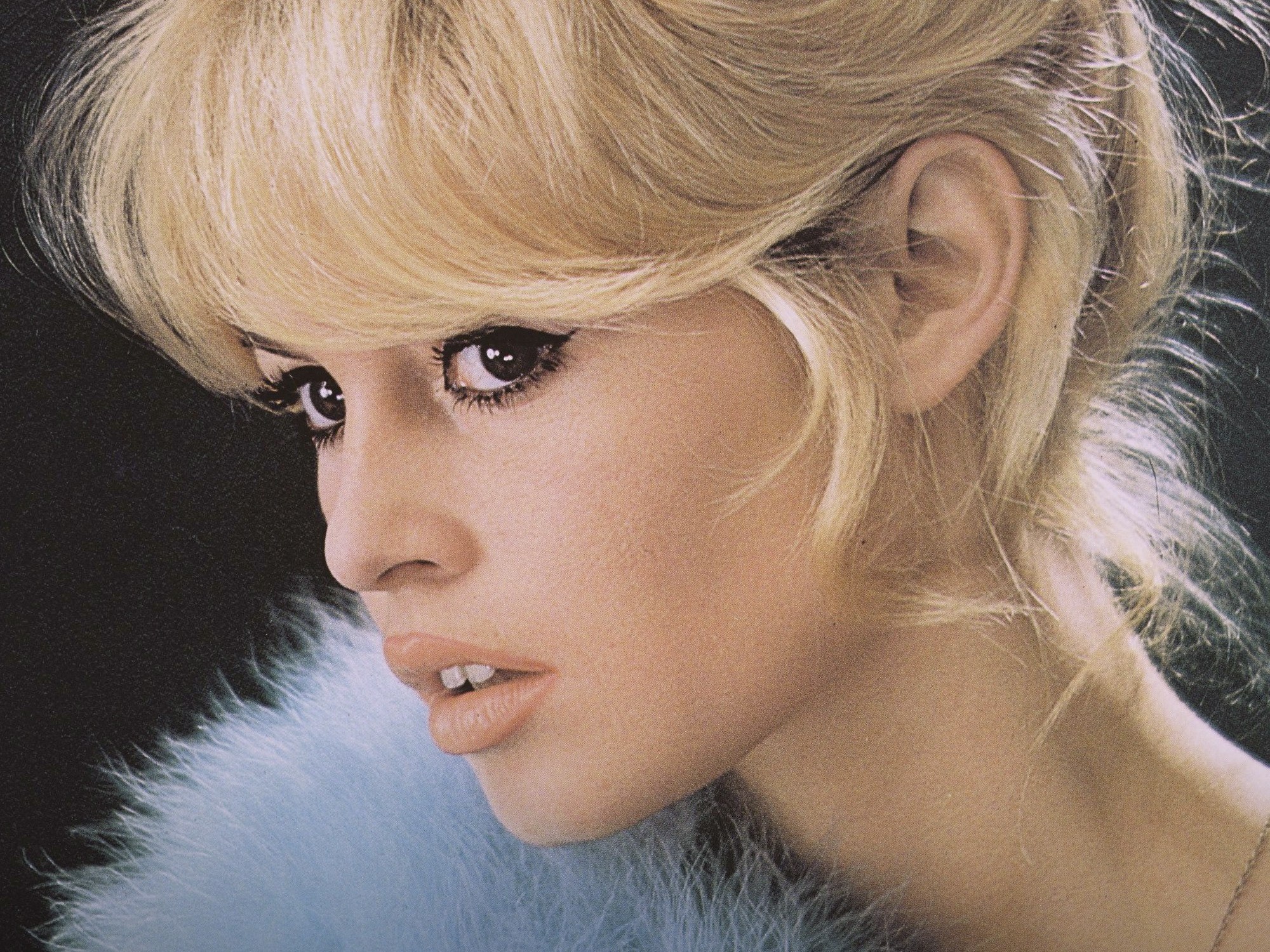
Brigitte Bardot never truly belonged to the world that adored her. Even at the height of her fame, when her face was everywhere and her name became synonymous with beauty and freedom, she remained emotionally distant from the myth built around her. On the day of her passing, what endures is not only an image that defined an era, but the complicated woman behind it. Fragile yet defiant, adored yet deeply solitary, Brigitte Bardot lived a life that resisted simplification.
1934: Born Into Privilege, Raised Without Tenderness
Brigitte Anne-Marie Bardot was born on September 28, 1934, in Paris, into a wealthy, conservative family. Material comfort did not translate into emotional warmth. Her upbringing was marked by strict discipline and emotional distance, shaping a personality that would later resist authority and imposed expectations.
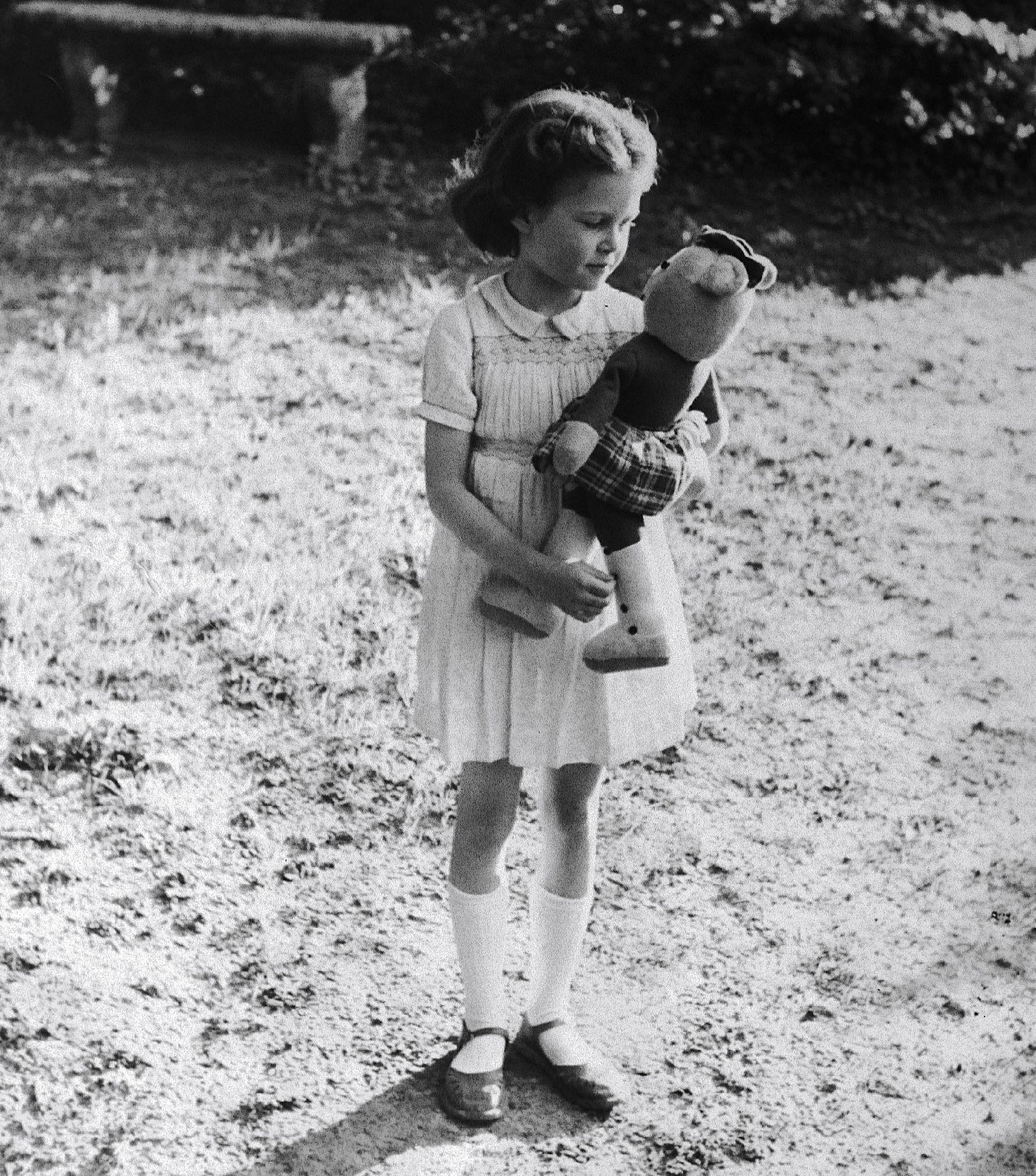
1940s: A Childhood Marked by War and Control
During World War II, Brigitte Bardot spent much of her childhood confined indoors. Her parents enforced rigid rules, and affection was scarce. These years instilled both resilience and emotional fragility, traits that would coexist throughout her life.
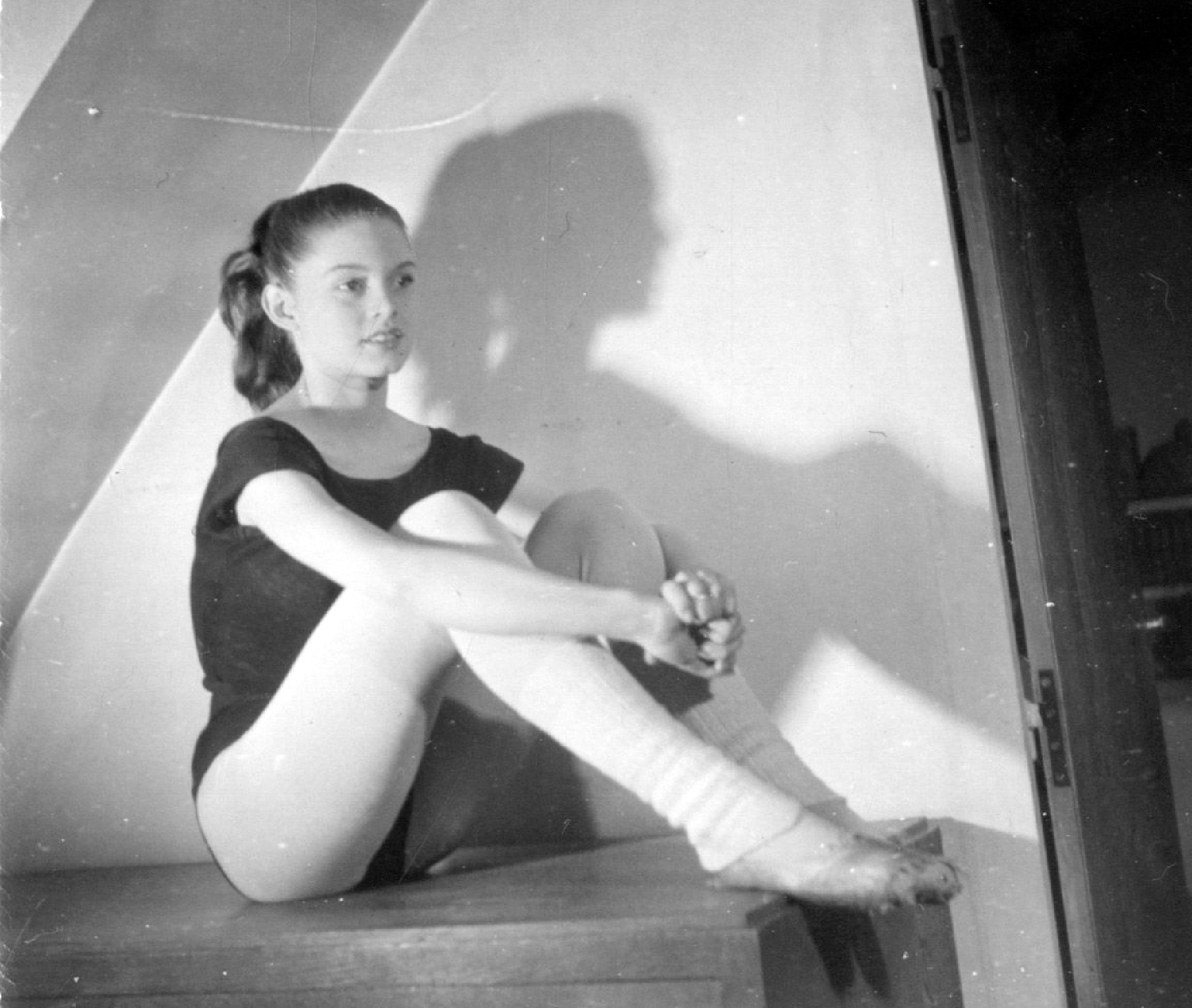
1947: Ballet Becomes Her First Language
At age 13, Brigitte Bardot entered the Conservatoire de Paris to study ballet. Dance offered structure and escape. It taught her bodily awareness, discipline, and poise. Long before cameras followed her, she learned how to communicate without words.
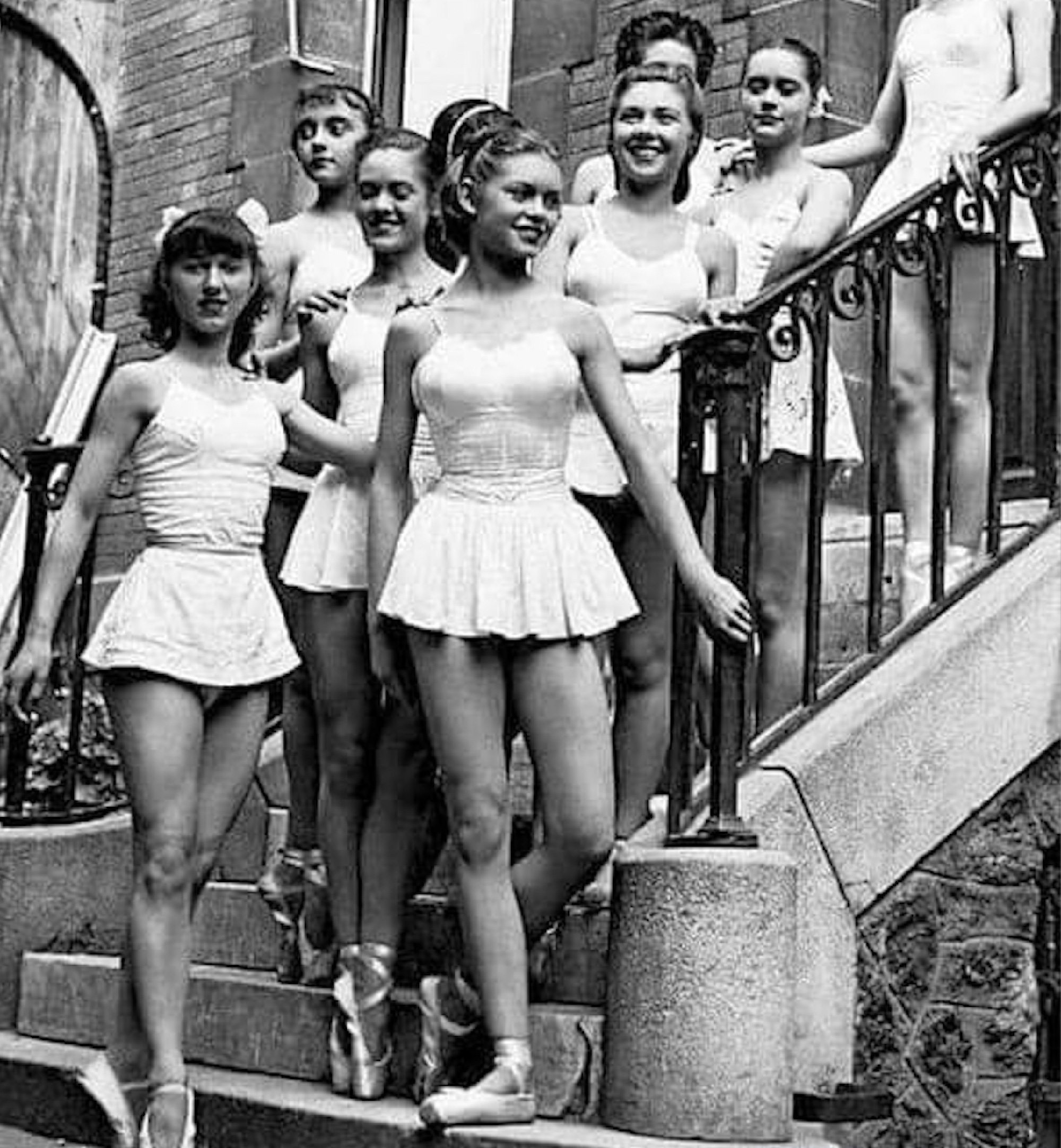
1949: Discovered by Fashion, Not Film
At just 15, Brigitte Bardot appeared on the cover of Elle magazine. Her beauty was noticed before her ambition. Modeling introduced her to public attention, but she did not actively seek stardom. Fame found her faster than she could understand it.
1952: A First Film and a Defining Relationship
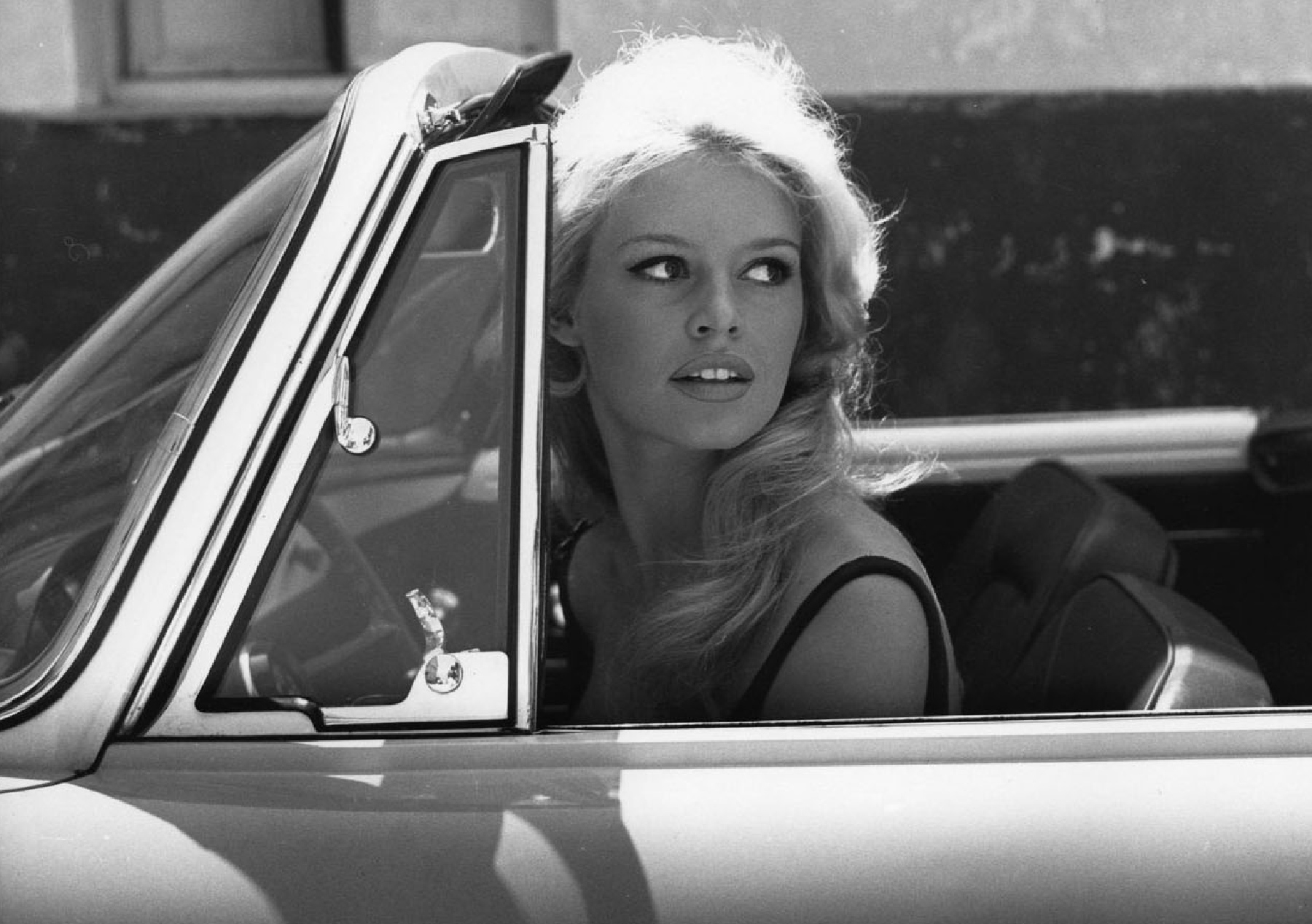
Brigitte Bardot made her film debut in 1952 and soon met Roger Vadim, a young filmmaker who recognized her screen potential. That same year, she appeared in Manina, the Girl in the Bikini, already challenging conventions of female representation.
1952: Marriage at Eighteen
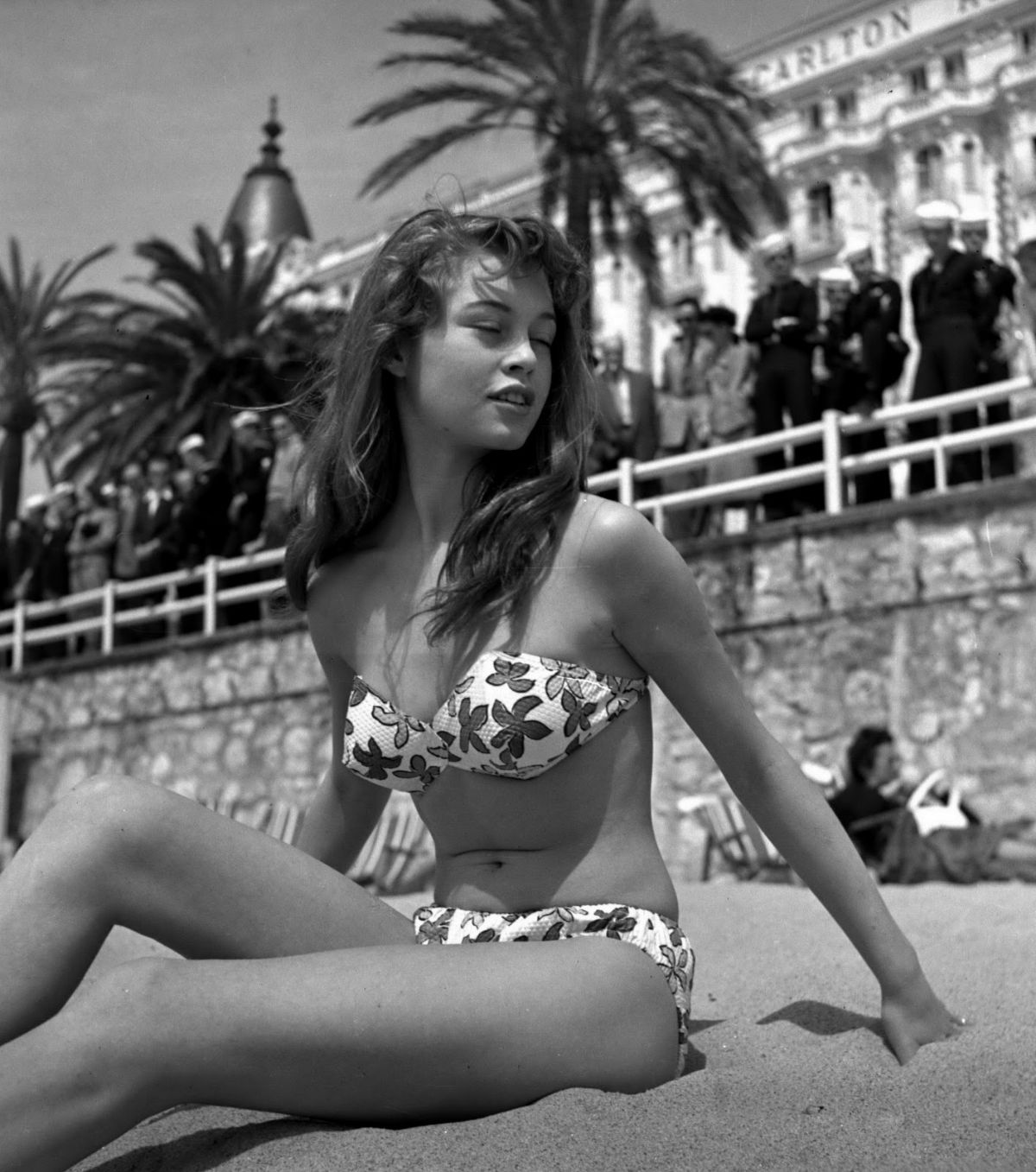
Shortly after turning 18, Brigitte Bardot married Roger Vadim. The relationship shaped her early career and public image. Vadim encouraged the sensual, liberated persona that would soon shock and captivate international audiences. Brigitte chose the material for the hand-sewn wedding dress from Madame Ogive, the dressmaker on the Rue de Passy.
1956: The Film That Changed Everything
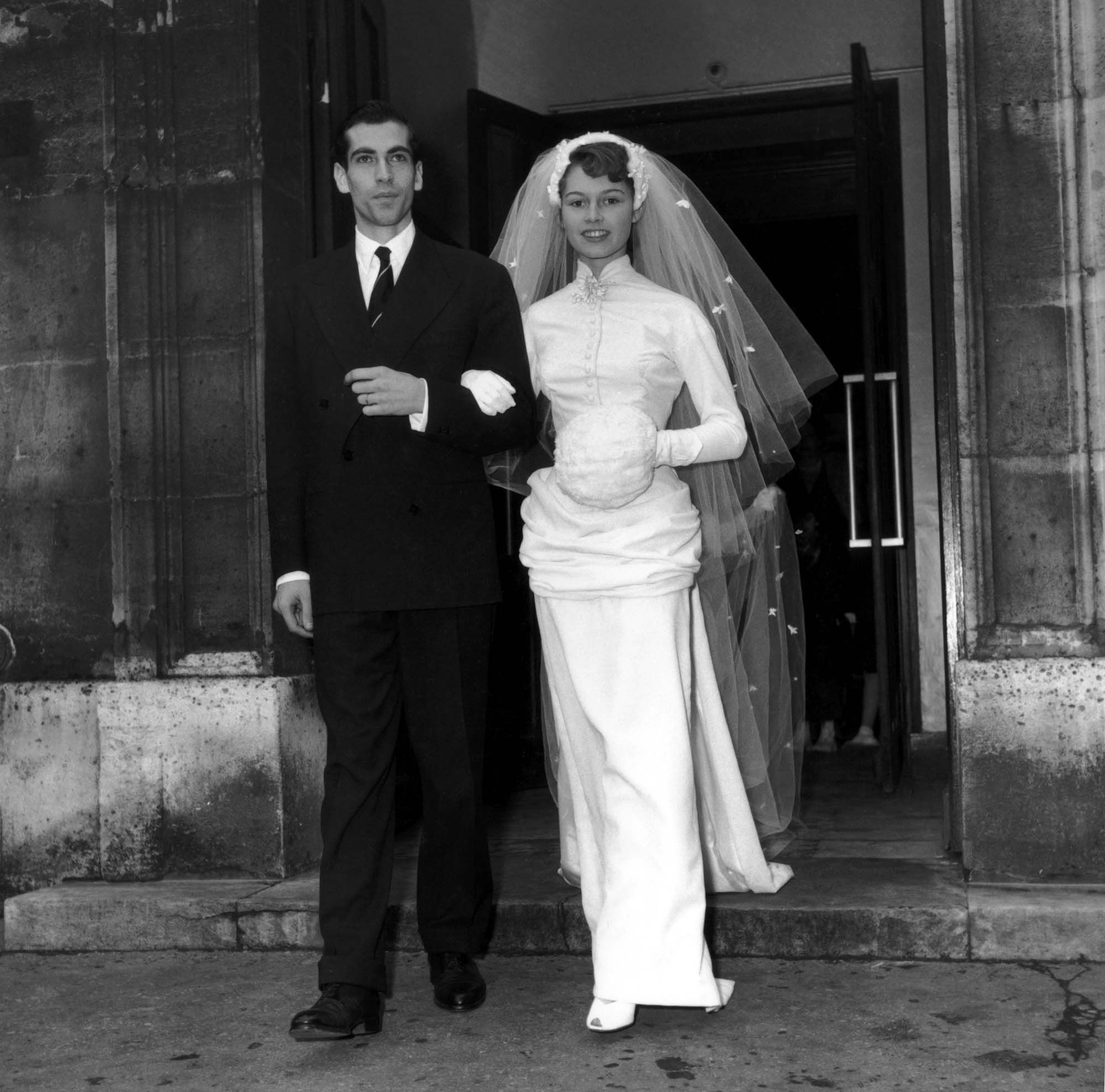
And God Created Woman was released in 1956. At 22, Brigitte Bardot became a global sensation. Her natural sensuality and defiant presence redefined femininity in cinema. For the world, she symbolized freedom. For herself, the image became a burden. Although the film featured more casual and daytime looks, Pierre Balmain was the costume designer behind the one-piece jumpsuits and dresses worn by Bardot.
Late 1950s: Desire Turns Into Surveillance
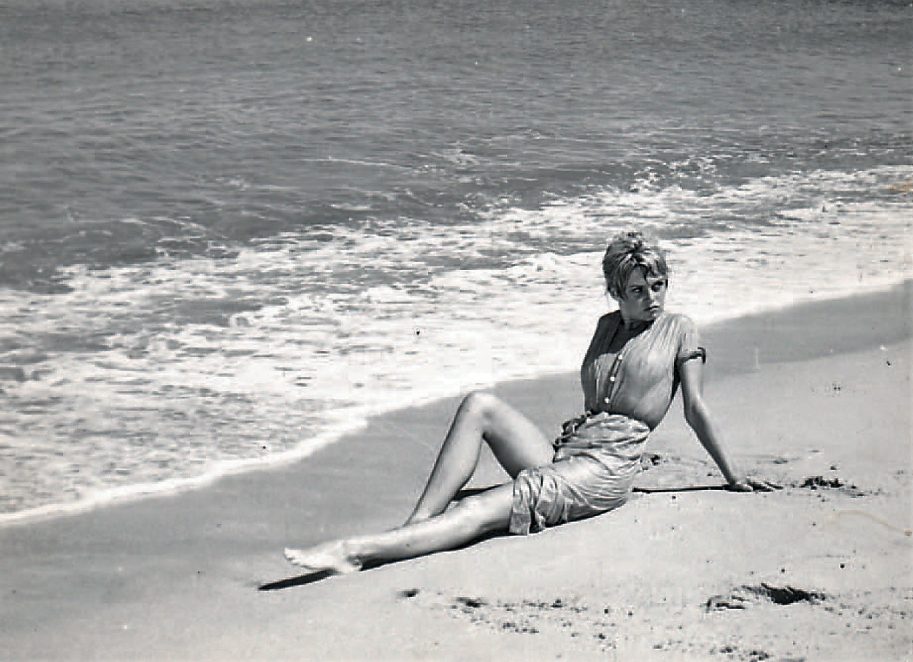
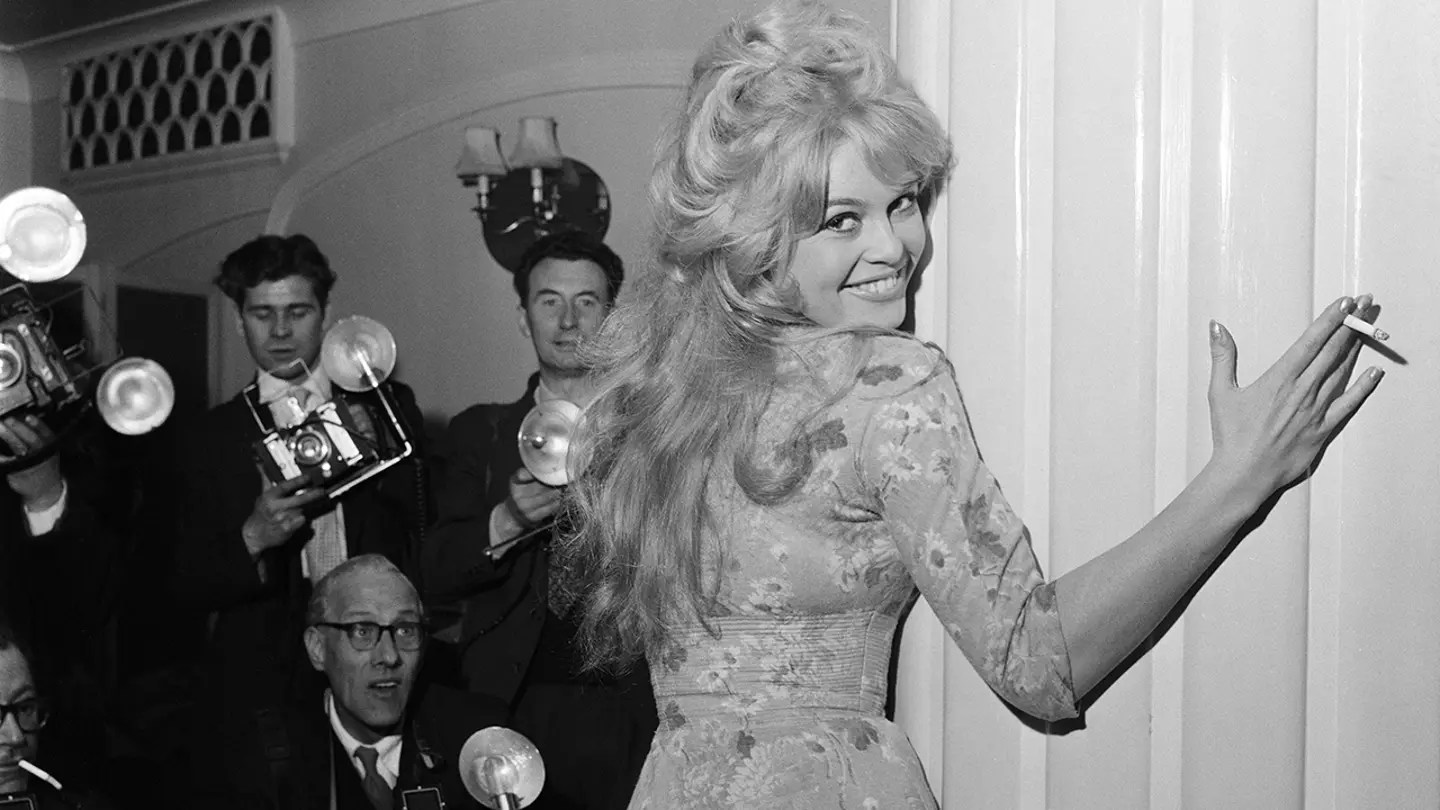
As her fame grew, Brigitte Bardot lost privacy entirely. Photographers followed her relentlessly. She later described paparazzi as hunters and herself as prey. Admiration became invasive, and desire turned into a form of captivity.
1960: Motherhood Without Illusion
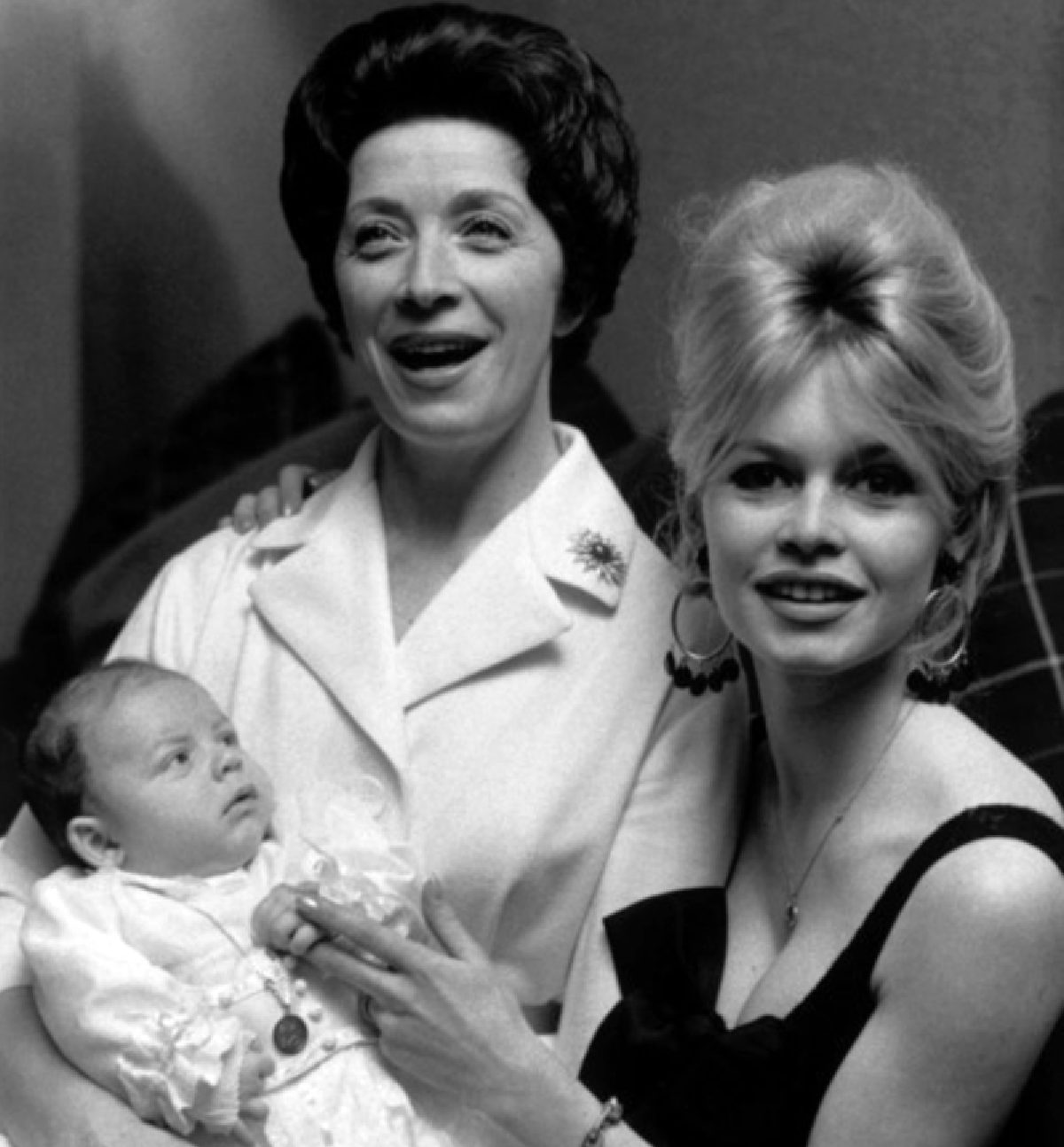
In 1960, Brigitte Bardot gave birth to her only child, Nicolas-Jacques Charrier. Motherhood did not bring fulfillment. She struggled deeply with the role and spoke about it with painful honesty. Years later, her son sued her for violating his privacy and won, formalizing a long estrangement.
1960s: A Music Muse by Accident
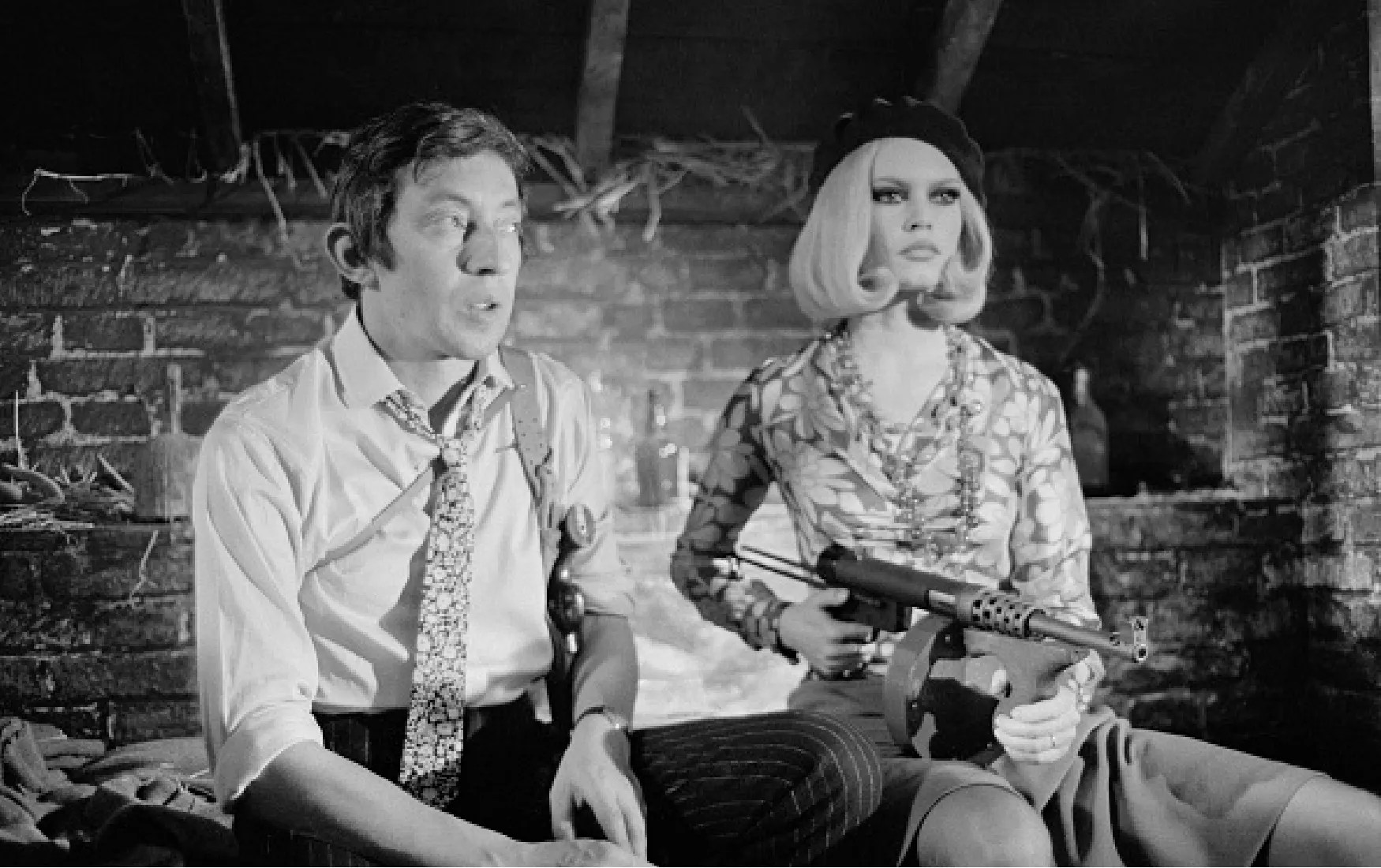
Throughout the 1960s, Bardot recorded music, including collaborations with Serge Gainsbourg. In 1967, she recorded Je t’aime… moi non plus, but requested it not be released. The song later became iconic with Jane Birkin, cementing Bardot’s influence even in absence.
1967: Style That Outlived the Era
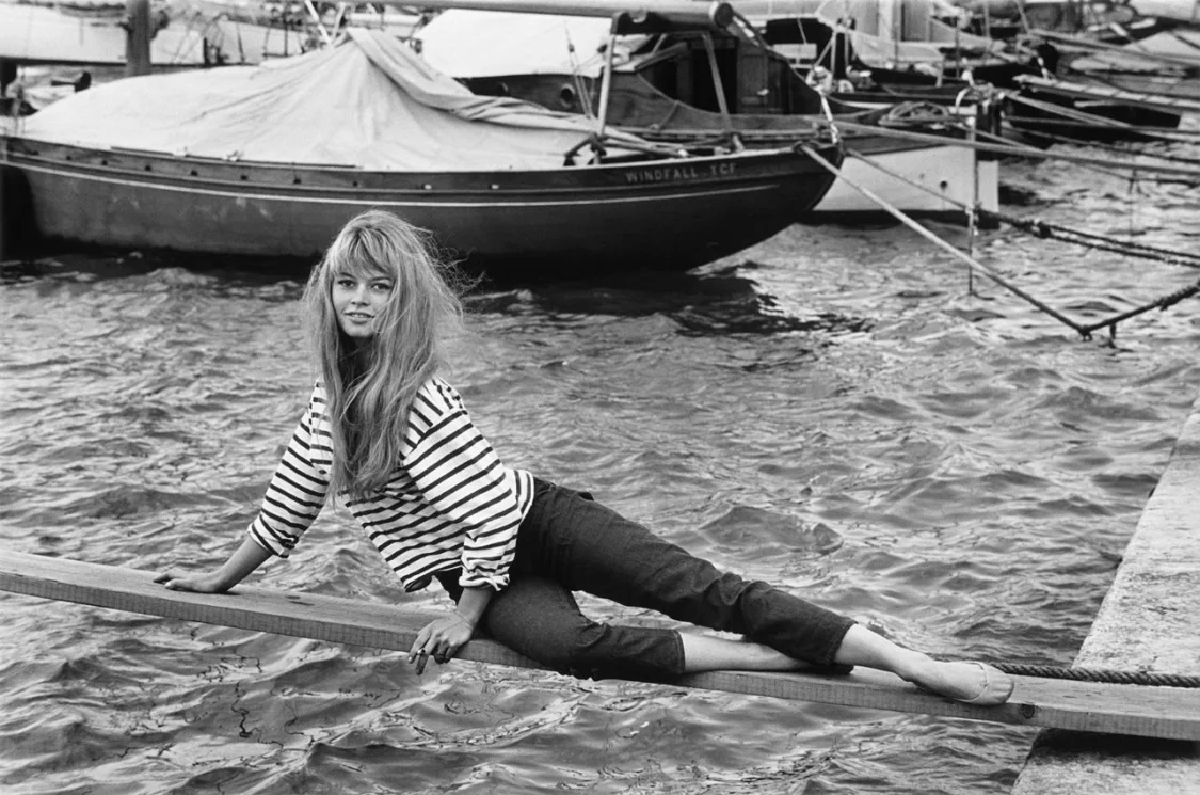
By the late 1960s, Bardot’s look had become legendary. Her hair, makeup, and effortless style inspired generations of models and designers. The term “baby Bardot” entered fashion vocabulary, proving her cultural impact extended far beyond film.
1973: Walking Away at the Peak
At just 39, Brigitte Bardot retired from acting after her final film in 1973. There was no farewell tour, no return. She chose disappearance over preservation. Leaving cinema was an act of survival, not nostalgia.
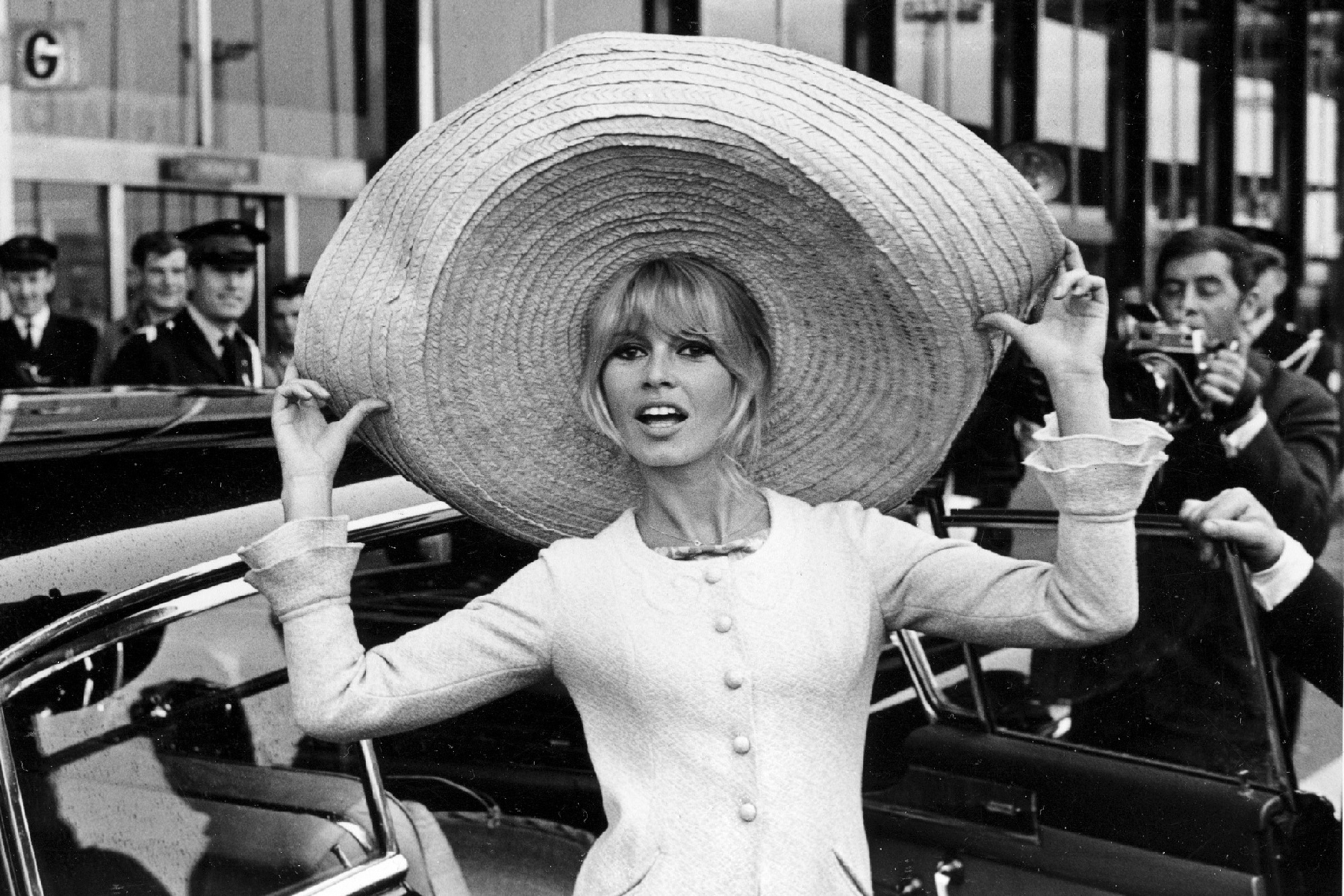
Mid-1970s: Turning Away From Humans
After retiring, Bardot withdrew from public life and increasingly distanced herself from people. Disillusioned and wounded, she found comfort where there was no performance required: with animals.
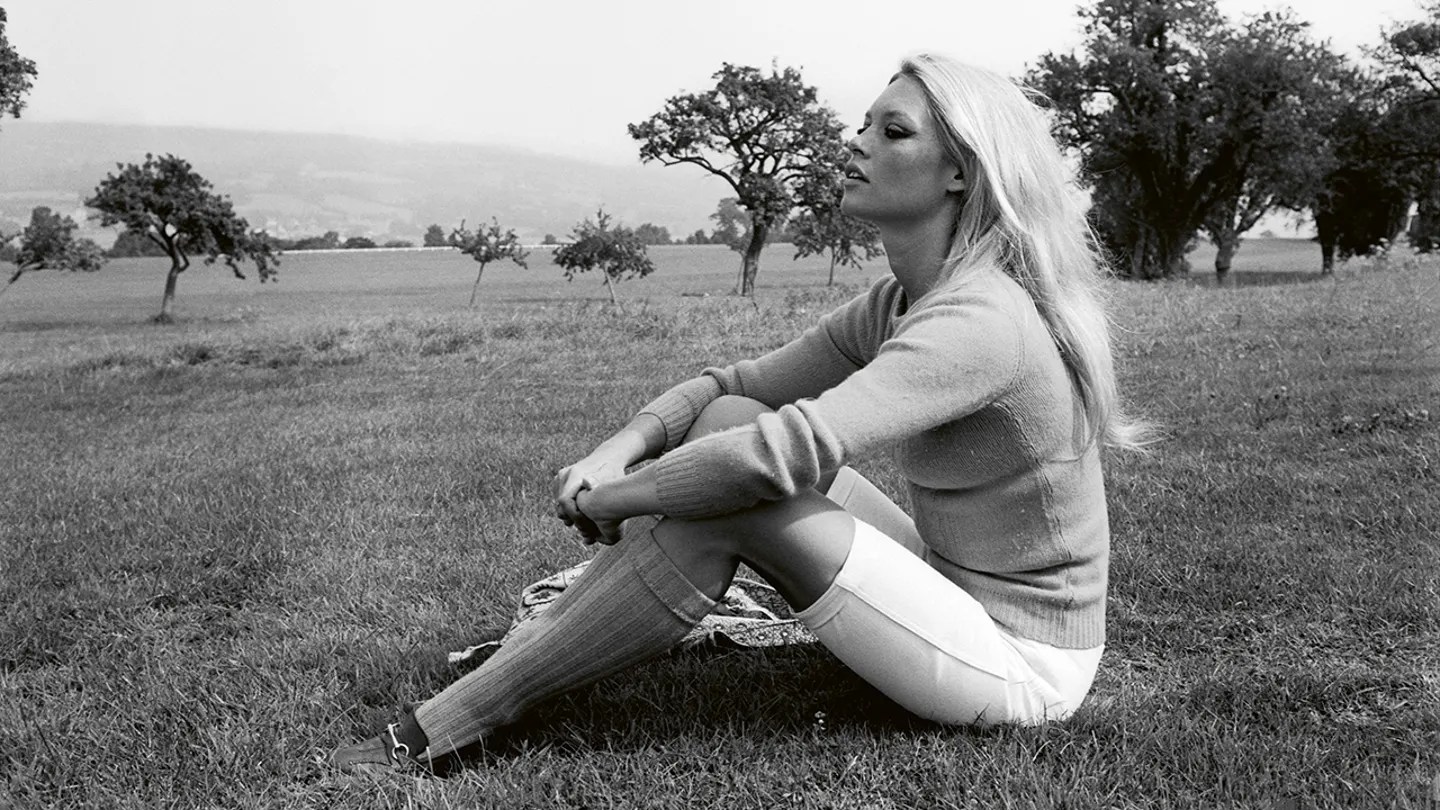
1986: Founding a Lifelong Mission
In 1986, she founded the Brigitte Bardot Foundation for the Welfare and Protection of Animals. She sold personal belongings to fund it. This marked the beginning of nearly four decades of relentless activism against animal cruelty.
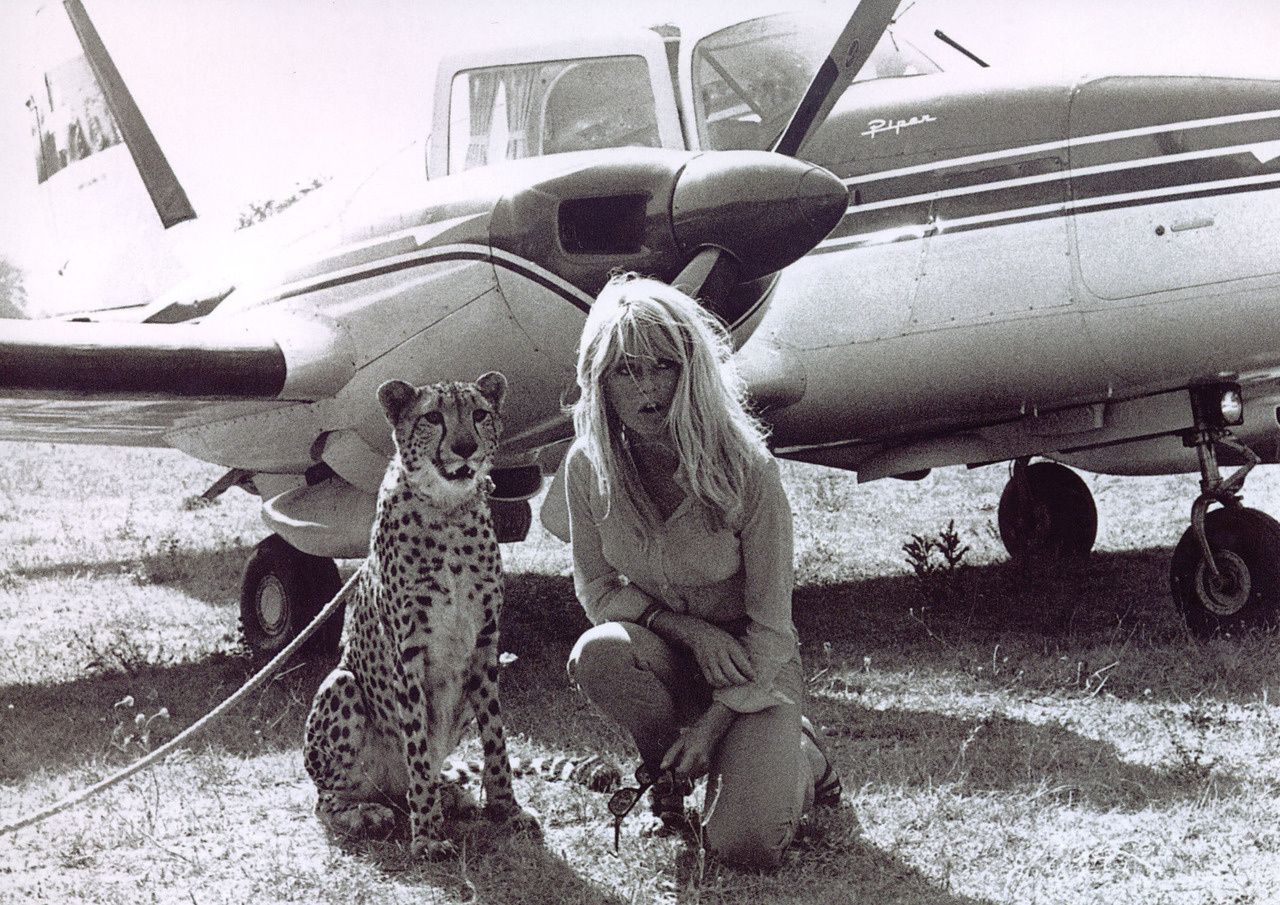
1990s: Activism Without Diplomacy
Bardot’s animal rights work was fierce and uncompromising. She did not soften her message for approval. Her methods were emotional and confrontational, earning both admiration and criticism. For her, conviction mattered more than popularity.
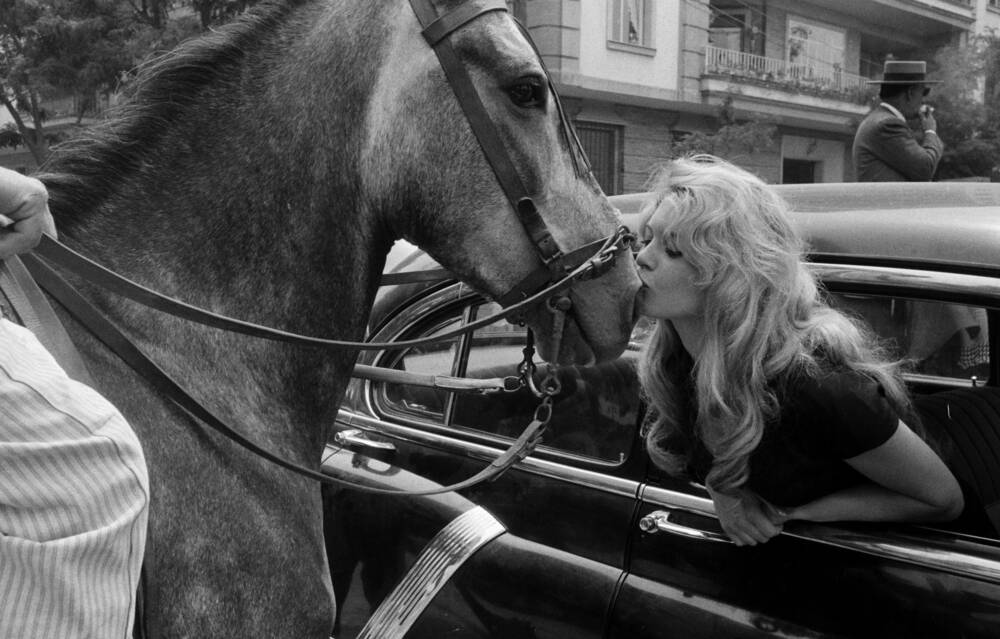
Late 1990s to 2000s: Controversy and Convictions
Her outspoken views on immigration, religion, and culture led to multiple legal convictions for inciting hatred. These controversies complicated her legacy. Bardot refused to recant or reshape herself to remain admired.
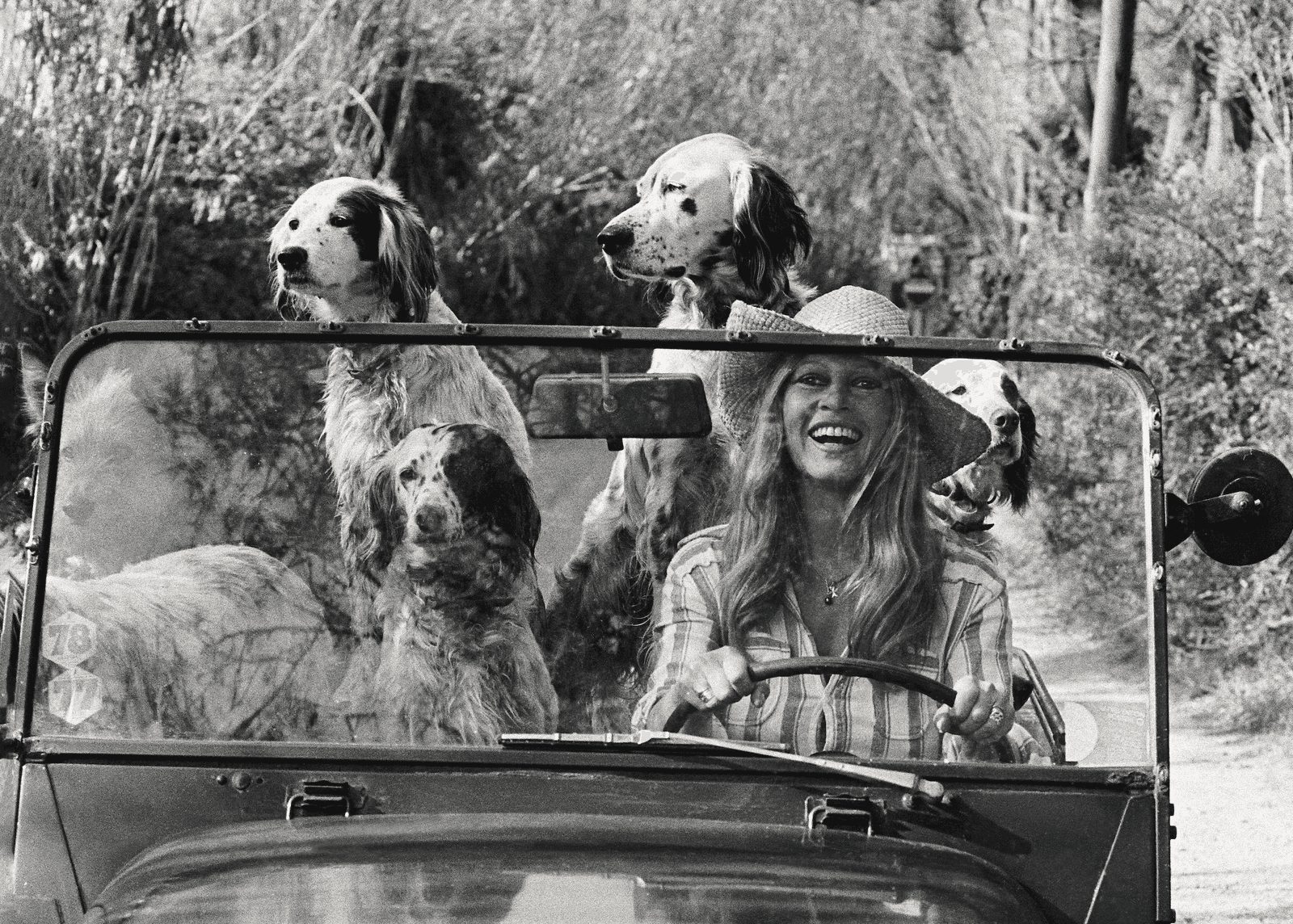
2000s: Health Struggles and Isolation
In later years, Brigitte Bardot battled serious health issues, including breast cancer. She lived largely withdrawn in Saint-Tropez, surrounded by animals rather than people, maintaining her distance from public life.
2025: The End of a Life Lived Against the Current
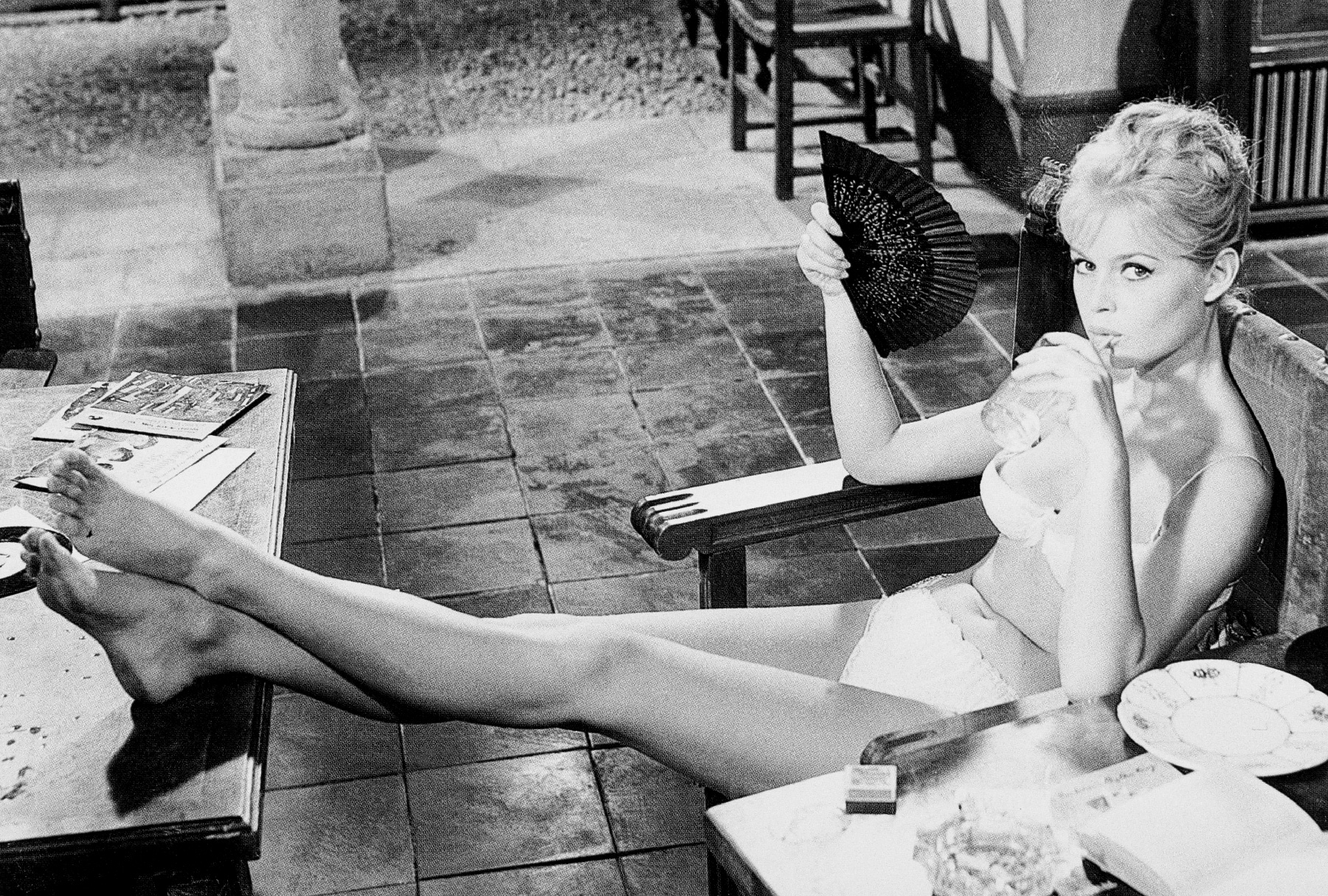
Brigitte Bardot died on December 28, 2025, at the age of 91. She left behind a legacy that is impossible to simplify. She was an icon who rejected her iconography, a symbol of freedom who paid dearly for it, and a woman who lived without apology.


One thought on “Remembering Brigitte Bardot (1934–2025) with Remarkable Facts”
Comments are closed.