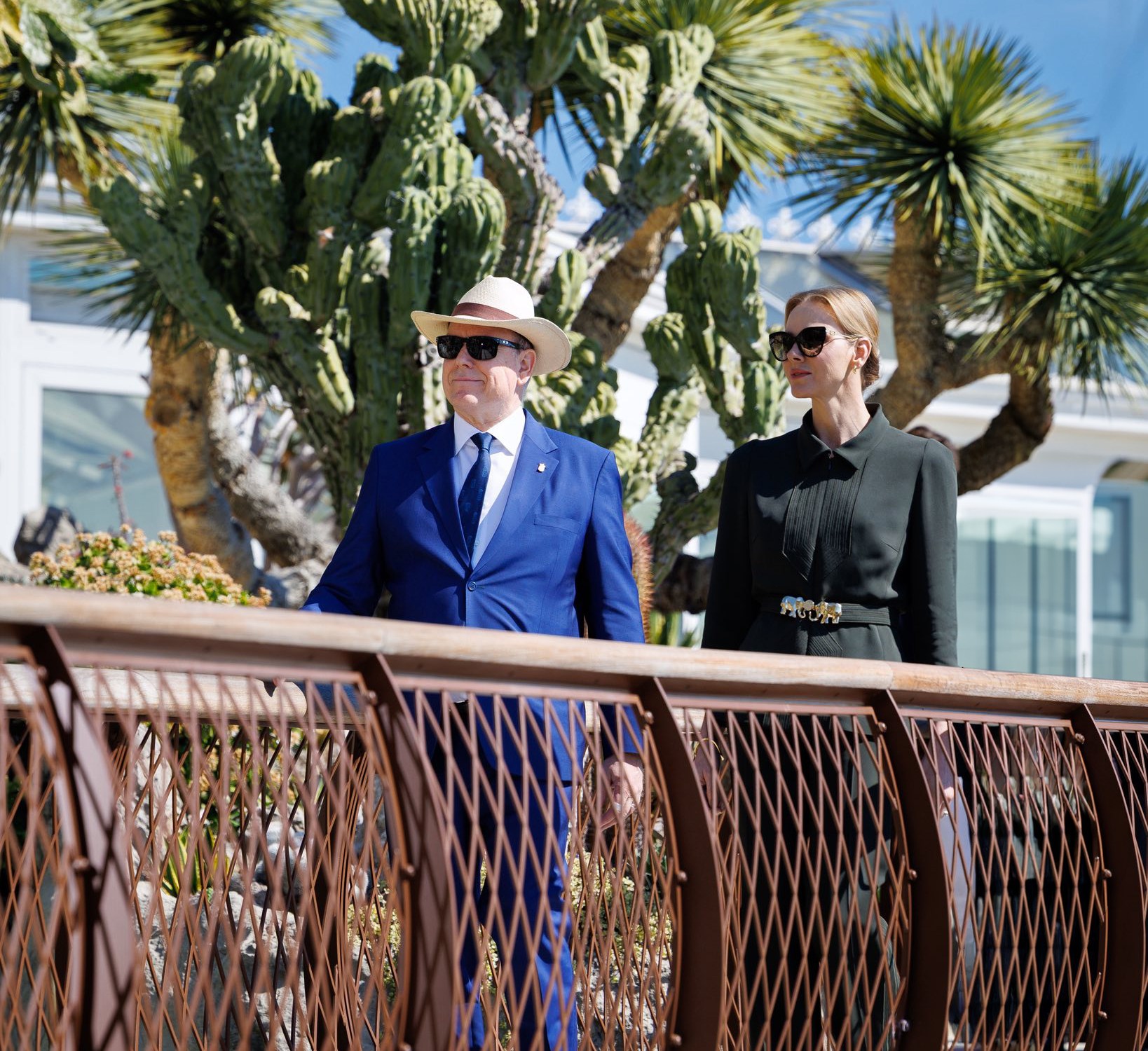
After six years of closure for extensive renovations, the iconic Jardin Exotique de Monaco officially reopened its doors on March 30, 2026. This long-awaited reopening marks a significant moment for the Principality, restoring one of its most treasured landmarks to both residents and international visitors.
Reopening of Monaco’s Exotic Garden
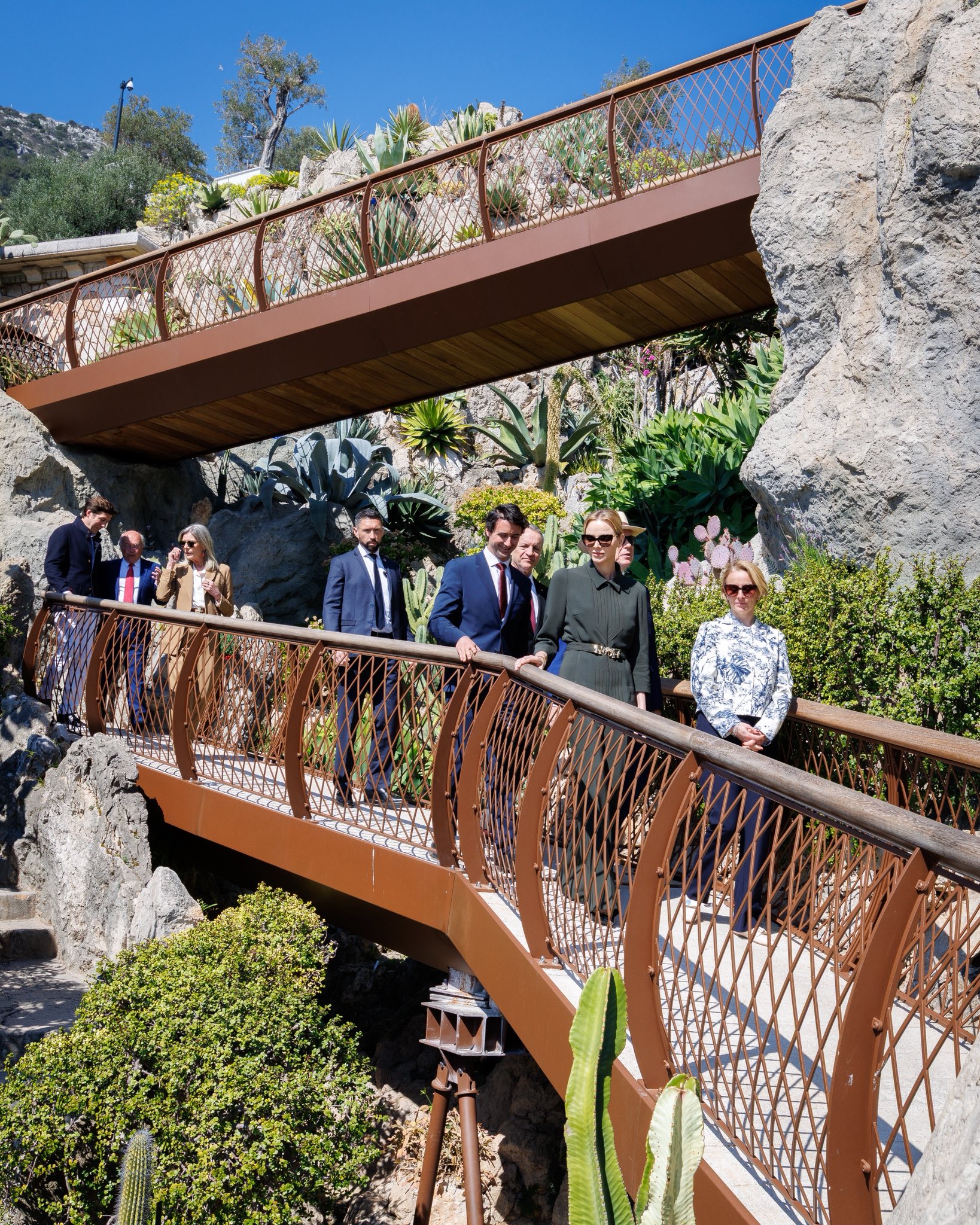
The renovation project focused primarily on improving safety and accessibility across the garden’s steep and dramatic terrain, which is perched on a cliffside overlooking the Mediterranean. New pathways and reinforced walkways ensure a more secure visitor experience, while carefully preserving the garden’s original charm and botanical richness.
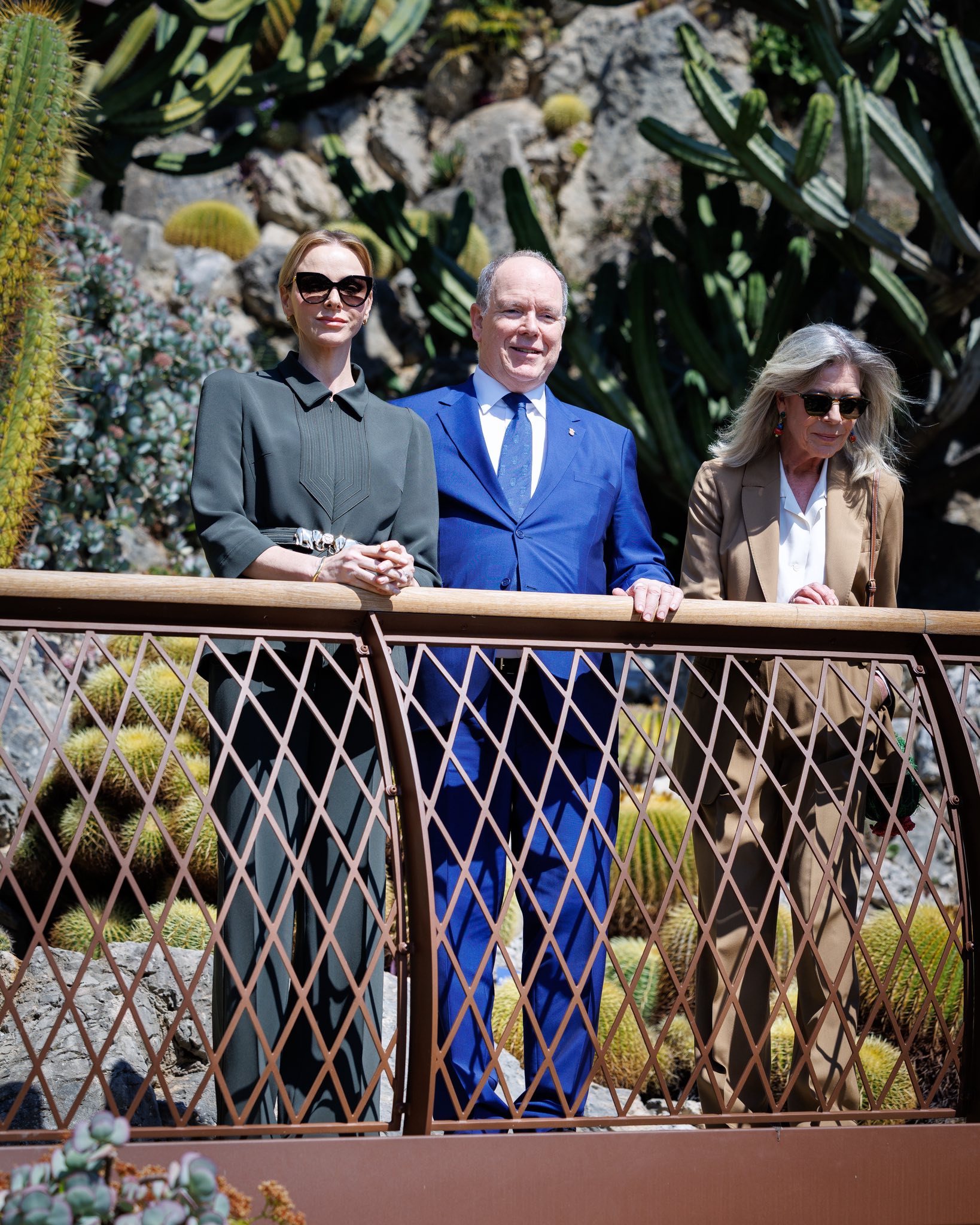
In addition to structural upgrades, the site now offers several modern enhancements designed to enrich the visitor experience. These include newly constructed panoramic walkways that provide breathtaking views, a dedicated children’s play area, and a space designed for hosting private celebrations such as birthdays. Visitors are also welcomed by a redesigned entrance area, along with a bar featuring a 40-square-meter terrace, ideal for relaxing while enjoying the exceptional scenery.
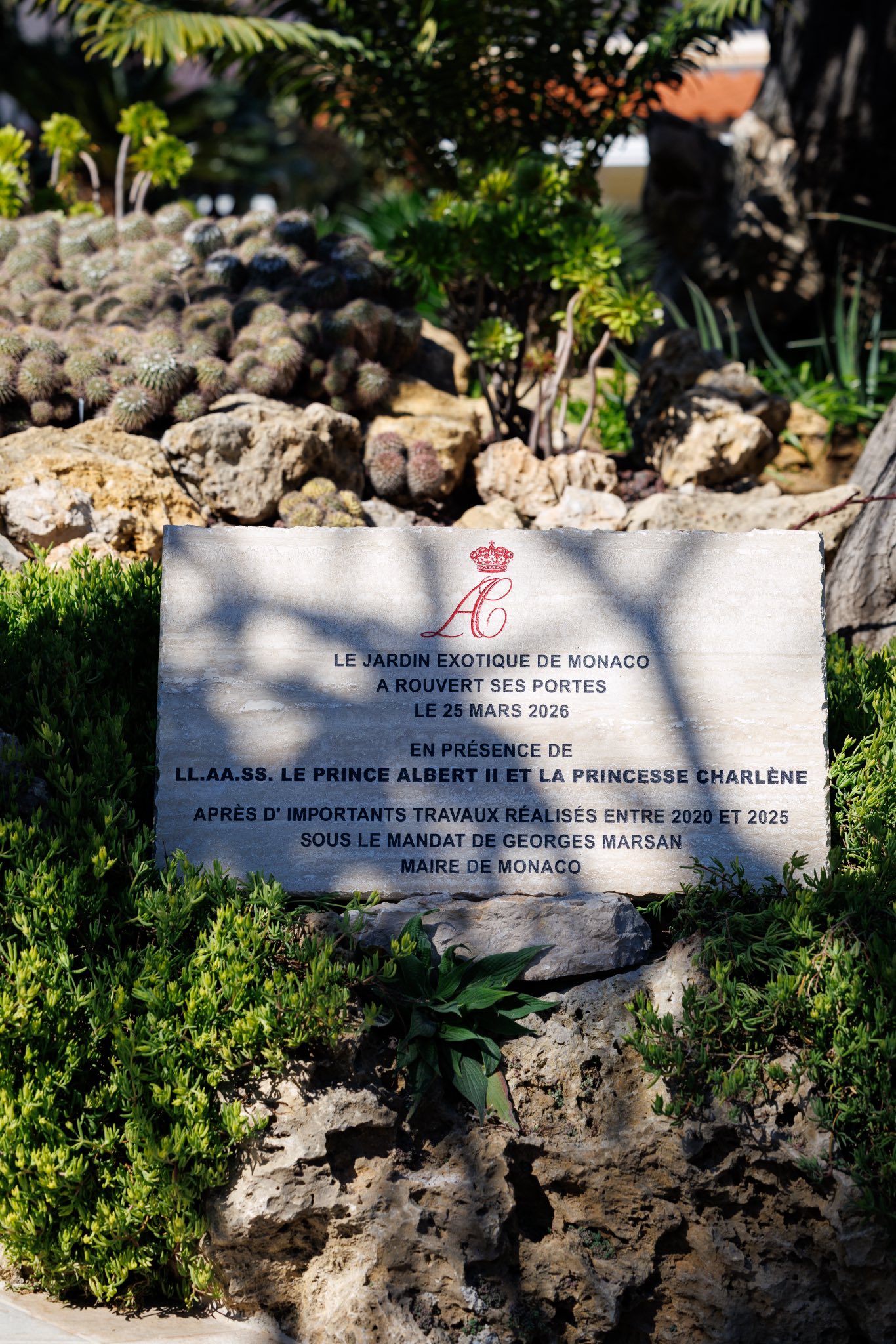
This thoughtful balance between preservation and modernization ensures that the garden remains both authentic and relevant, reinforcing its status as a must-visit destination in Monaco.
Monaco Royals at the Exotic Garden
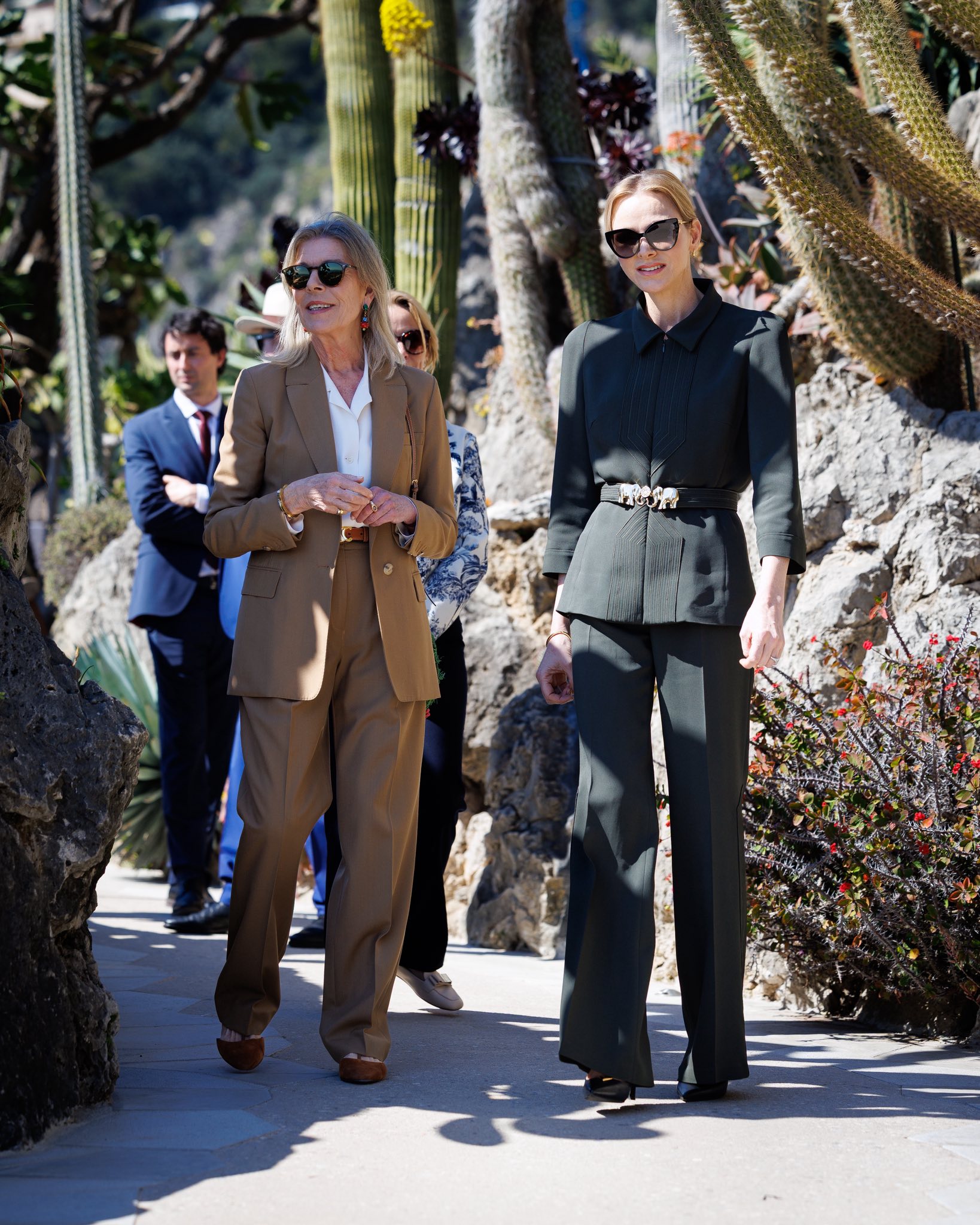
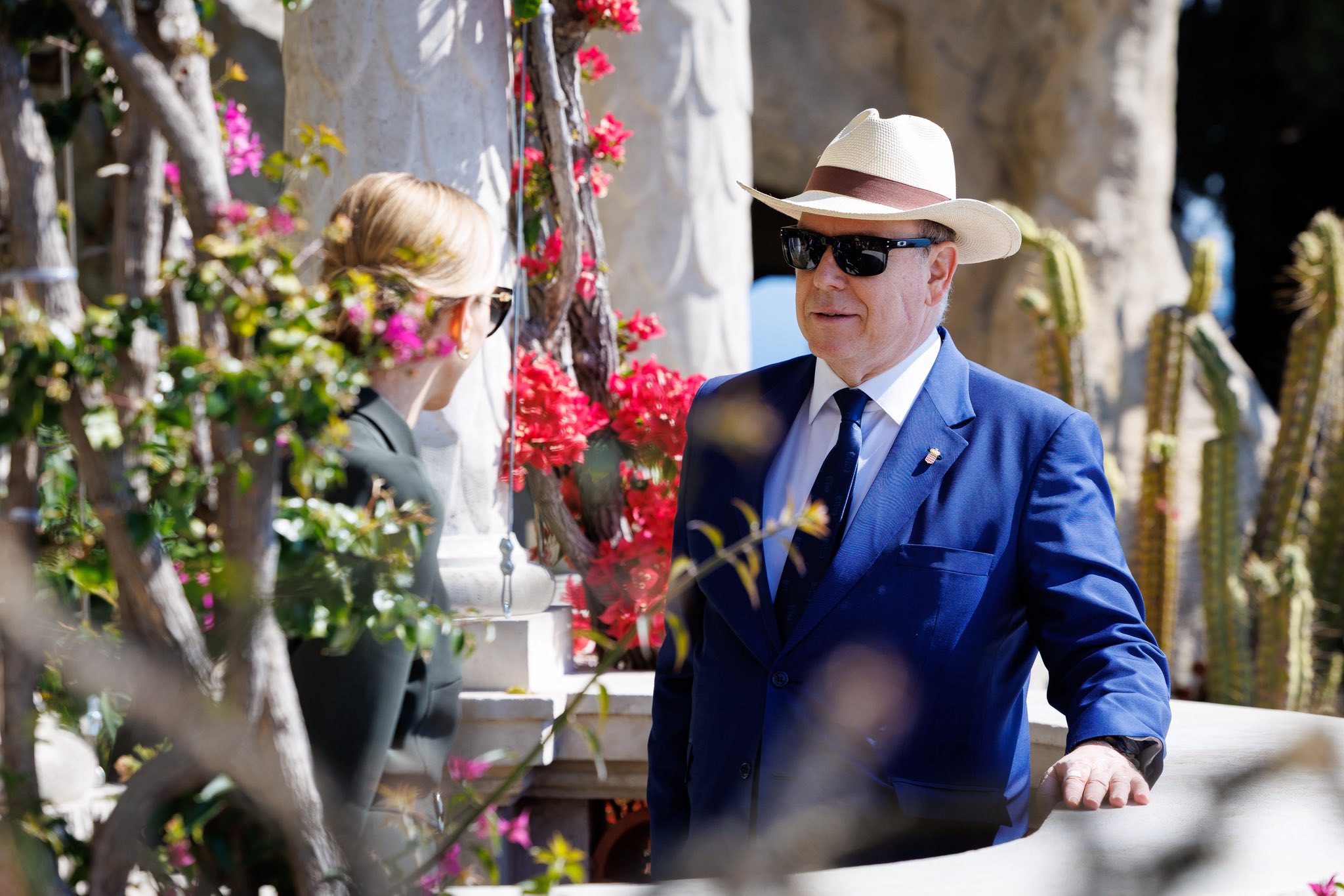
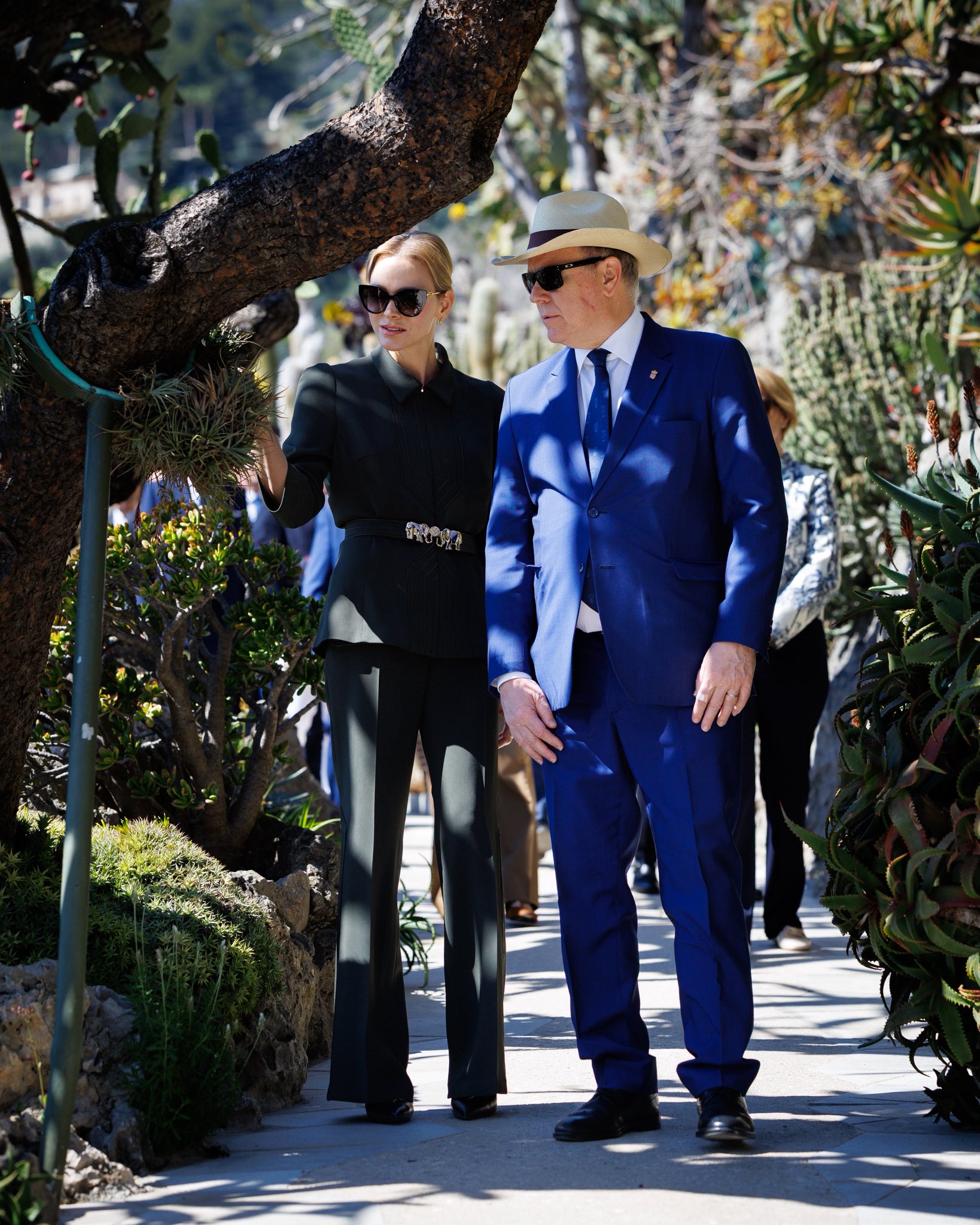
The reopening ceremony was marked by the visit of the Monaco’s royal family, highlighting the importance of the event for the Principality. Prince Albert II and Princess Charlène attended the occasion, accompanied by Princess Caroline of Hanover.

They were joined by several prominent figures, including Minister of State Christophe Mirmand, Archbishop Dominique-Marie David, Monaco Mayor Georges Marsan, and Diane Ortolani, Director of the Exotic Garden. Together, they toured the newly renovated site, discovering firsthand the improvements made during the closure.
The visit concluded with a symbolic gesture: the royal couple received a succulent plant named Aloe Caesia, a species native to South Africa. This gift not only reflects the botanical identity of the garden but also underscores Monaco’s longstanding appreciation for rare and exotic plant species.
History of the Exotic Garden
The origins of the Jardin Exotique de Monaco date back to the late 19th century. The story begins in Monaco-Ville, near the Oceanographic Museum, where Augustin Gastaud, head gardener of the Saint-Martin gardens, began cultivating a collection of succulent plants—many of them originating from Mexico.
This unique collection quickly caught the attention of Prince Albert I, who envisioned creating a dedicated garden for these fascinating plants. By the early 20th century, a suitable location was identified: a rugged, steep plot of land overlooking the Révoires district, already home to naturally thriving agaves and prickly pears.
The development of the garden began in 1913 under the direction of engineer Louis Notari. Due to the challenging topography and the delicate process of relocating mature plants, construction took over two decades to complete.
The garden was officially inaugurated on February 13, 1933, by Prince Louis II. Initially referred to as the “Hanging Gardens” due to its vertical layout, it eventually became known as the Exotic Garden of Monaco in the early 1940s.
Another key feature, the Observatory Cave, was discovered in 1916 during construction. After extensive development, it opened to the public in 1950 and was later integrated into the garden. This natural cave adds a geological dimension to the site, complementing its botanical appeal.
What Visitors Can Discover
Today, the Jardin Exotique de Monaco remains one of the most unique botanical gardens in the world. Built dramatically into a cliffside, it offers panoramic views over Monaco and the Mediterranean Sea—widely considered among the most spectacular in the region.
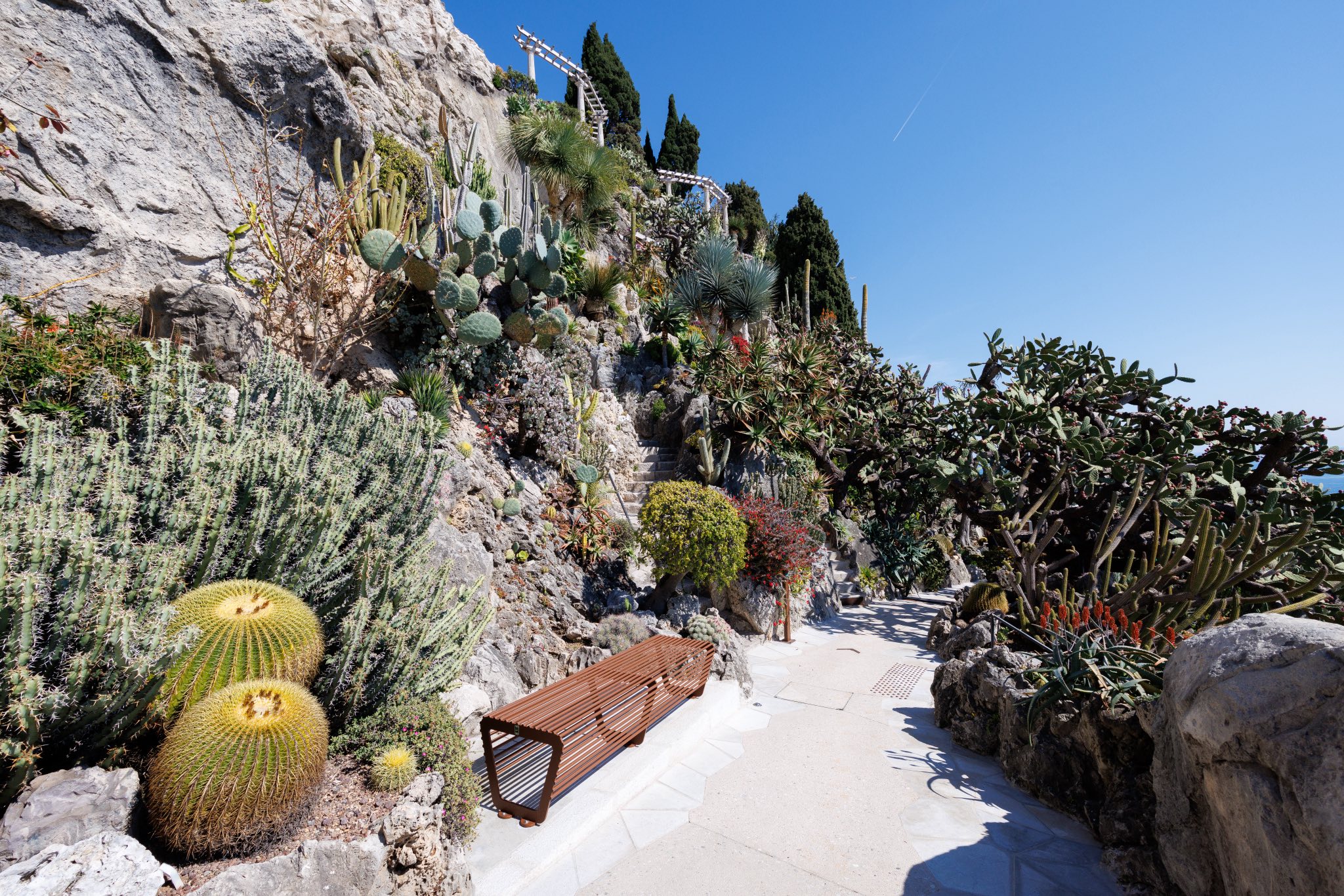
The garden is home to a vast collection of succulent plants, including cacti, agaves, and other drought-resistant species. These plants originate from arid regions across the globe, such as the southwestern United States, Mexico, Central and South America, as well as parts of Africa and the Arabian Peninsula.
Visitors can observe a remarkable diversity of plant forms, from towering cacti to intricate, sculptural succulents. One of the most fascinating aspects of the garden is its year-round flowering cycle. Depending on their origin, different species bloom at different times—African varieties such as aloe and crassula typically flower in winter, while many cacti bloom in spring and summer.
Contrary to popular belief, most cactus flowers bloom during the day, often producing large, vividly colored blossoms that add seasonal bursts of color throughout the garden.
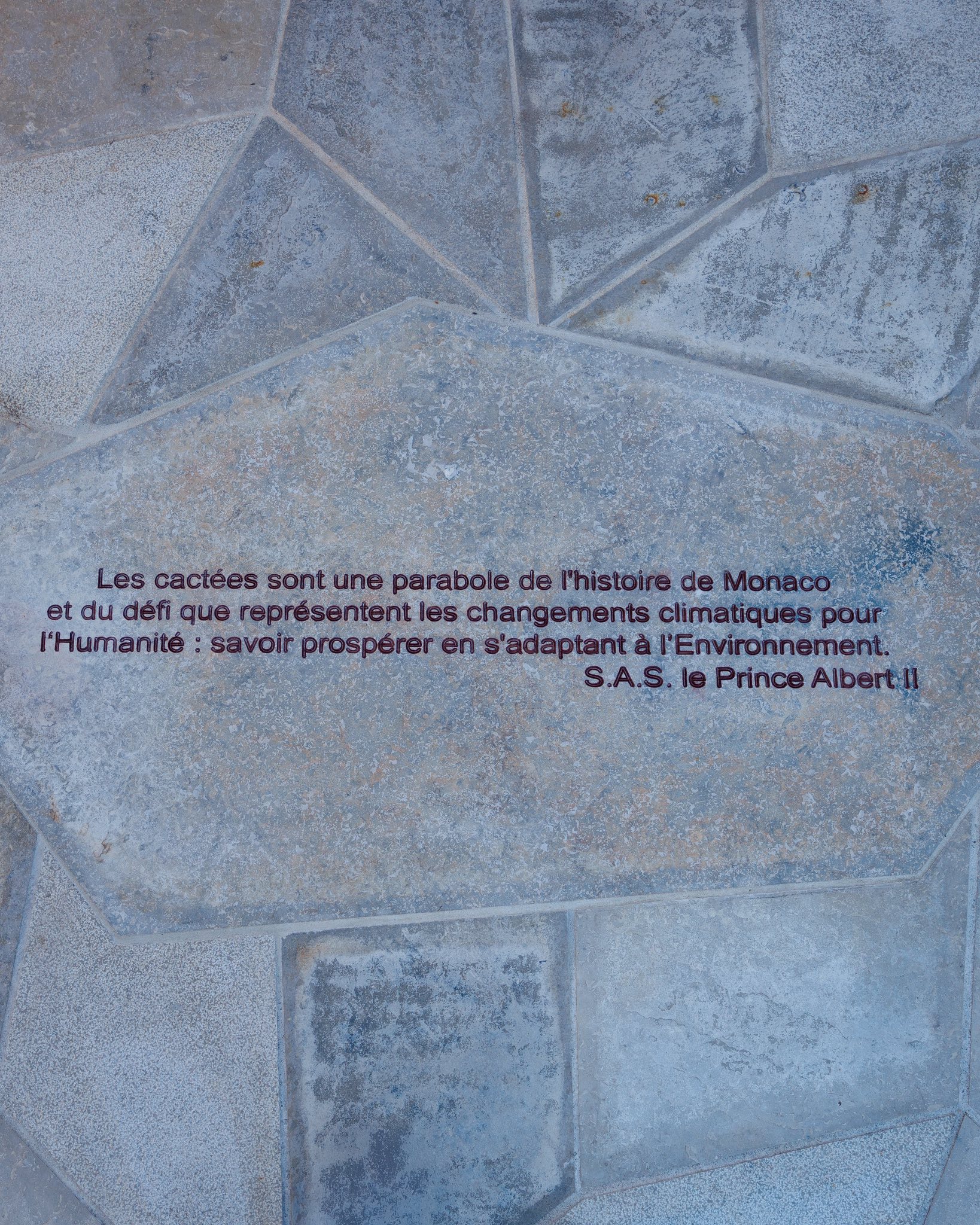
Beyond its botanical collections, the garden offers an immersive experience combining nature, history, and breathtaking scenery. Whether exploring its winding paths, enjoying its new facilities, or simply taking in the views, visitors are guaranteed a memorable experience.
With its reopening, the Exotic Garden once again stands as a symbol of Monaco’s dedication to preserving natural beauty while embracing thoughtful innovation—making it an essential destination for travelers in 2026 and beyond.

