The Businessmen Behind Monaco’s Businesses | Haute Today
In Monaco, where international influences shape the art of living, some of the most enduring businesses are built on a combination of heritage, expertise and personal relationships. Behind specialist boutiques are entrepreneurs whose professional journeys reflect decades of experience, a deep understanding of their craft and an ability to recognise what clients truly value. For Christophe Shayesteh, founder of Galerie Shayesteh, that journey is inseparable from the history and artistry of Persian carpets.
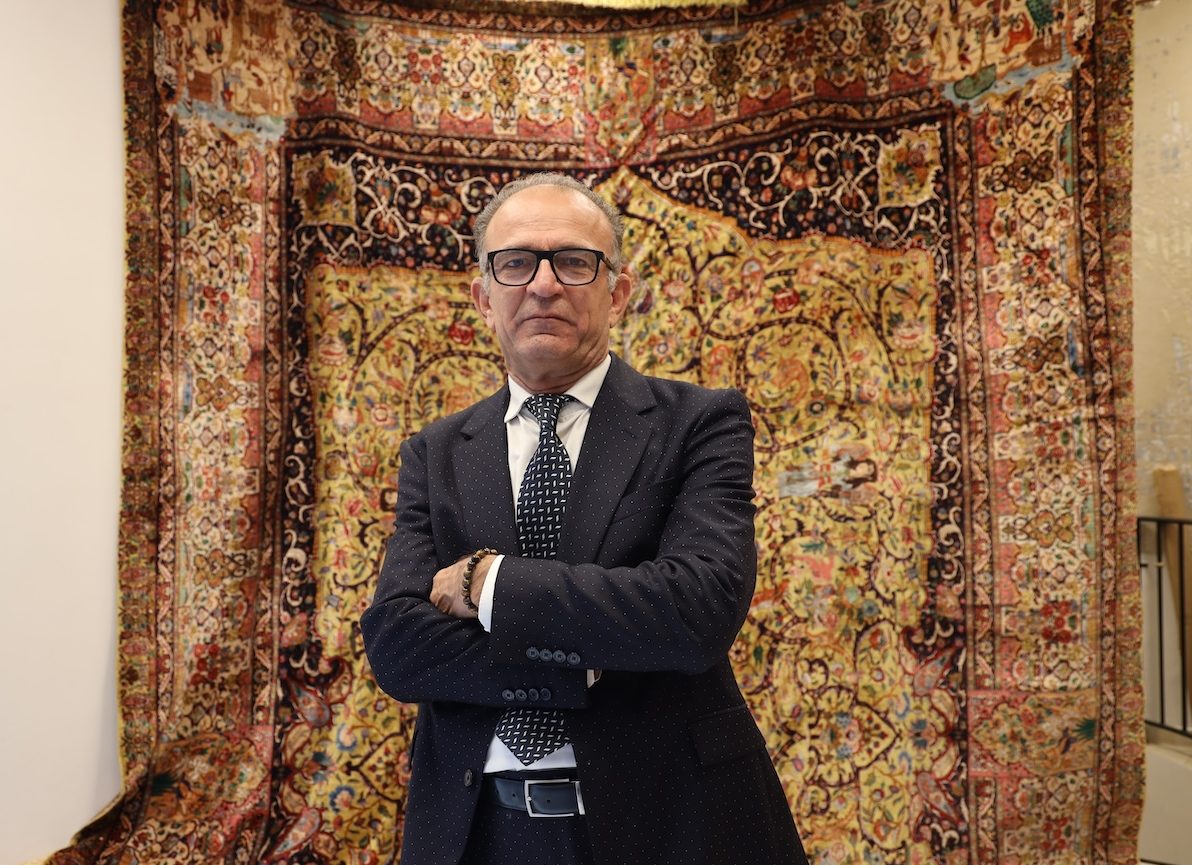
His connection to the trade began long before he established his own business. Introduced to the craft at the age of 15, Christophe learned alongside his brothers and family, acquiring practical knowledge of handmade carpets and the traditions surrounding them. In February 1986, at the age of 25, he began working in Monaco’s carpet industry, marking the beginning of a professional chapter that would eventually lead to entrepreneurship.
In 2001, he established his own company, moving from working within the trade to developing a business centred on sales, personalised advice and after-sales services. More than two decades later, his experience reflects the value of specialist knowledge, continuity and the relationships that develop when a business is built around an enduring craft.
A Journey Woven Through Family and Experience
For Christophe, the foundations of his profession were laid within his family. Learning alongside his brothers from the age of 15 gave him an early understanding of the materials, techniques and traditions that distinguish handmade carpets. This was practical knowledge acquired through observation and experience, long before it became the foundation of his own enterprise.
His professional journey in Monaco began in February 1986, when he entered the Principality’s carpet industry at the age of 25. Over the following years, he developed his understanding of the market, the expectations of an international clientele and the considerations involved in choosing a carpet that would remain part of a home for generations.
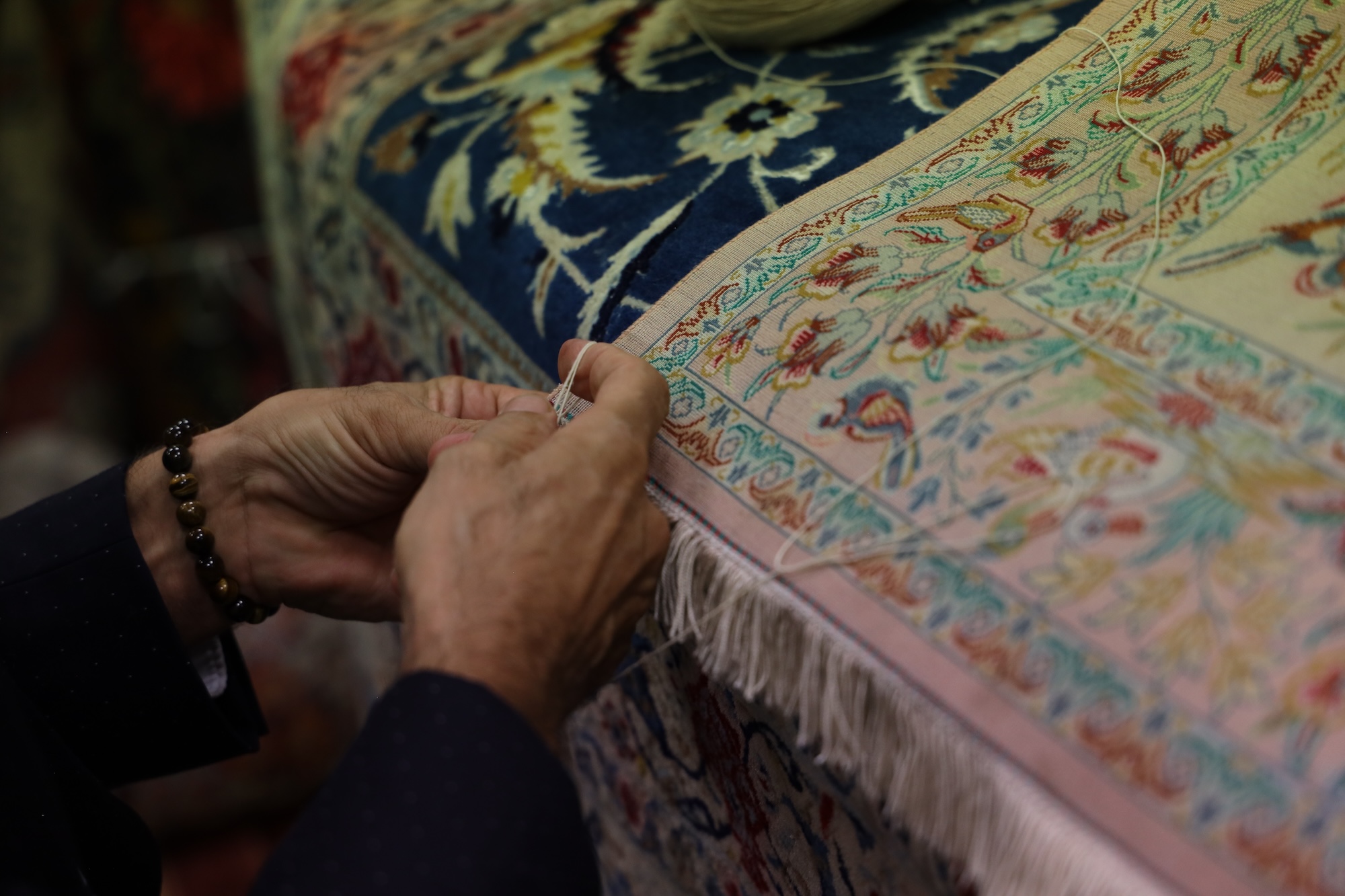
Establishing Galerie Shayesteh in 2001 represented a defining step. It allowed him to shape his own approach to the business, extending his role beyond the sale of carpets to include client guidance and after-sales support. The distinction is important: selling a handmade piece requires knowledge of its characteristics, while advising a client means understanding how it will live within a particular space.
His career now encompasses four decades of professional experience in the carpet trade. Such longevity offers a perspective shaped by changing tastes, evolving interiors and the continuing appeal of traditional craftsmanship.
For Christophe, experience is not simply a measure of time. It is the ability to recognise a client’s needs, explain the qualities of a piece and help make a considered decision. These are the foundations on which a specialist business builds lasting relationships.
The Art and Patience Behind Oriental Carpets
A handmade carpet is an expression of time, skill and cultural heritage. Unlike a mass-produced interior accessory, each piece carries the characteristics of its construction, from the selection of fibres and colours to the complexity of its design and the precision of its weave.

Some Persian carpets can take five or six years to complete, depending on their dimensions, intricacy and production methods. Every knot contributes to the finished composition, gradually transforming individual threads into an elaborate arrangement of colour, texture and pattern. The result reflects the patience of the craftsperson and the accumulated knowledge behind the technique.
Christophe encourages clients to look beyond a carpet’s immediate visual appeal. Its origin, materials, age, condition and construction all contribute to its identity. Knot density and fineness can offer useful indications of the work involved, although quality must be assessed through several characteristics rather than a single measurement.
Authenticity is another important consideration when purchasing handmade Oriental carpets. Understanding a piece’s provenance, asking about its origins and requesting relevant documentation, including a certificate of authenticity when available, can help buyers make informed choices.
Persian carpets also carry a cultural dimension that extends beyond their decorative function. Their motifs, colours and weaving traditions reflect regional identities and generations of accumulated knowledge. Each piece offers a different interpretation of this heritage, making the selection process as much about understanding as it is about aesthetics.
Monaco, a Meeting Place for Heritage and Contemporary Living
Monaco offers a natural setting for a business devoted to exceptional handmade carpets. Its international community brings together residents and visitors with diverse cultural backgrounds, interior preferences and approaches to collecting. Within this environment, craftsmanship and individuality can hold particular appeal.
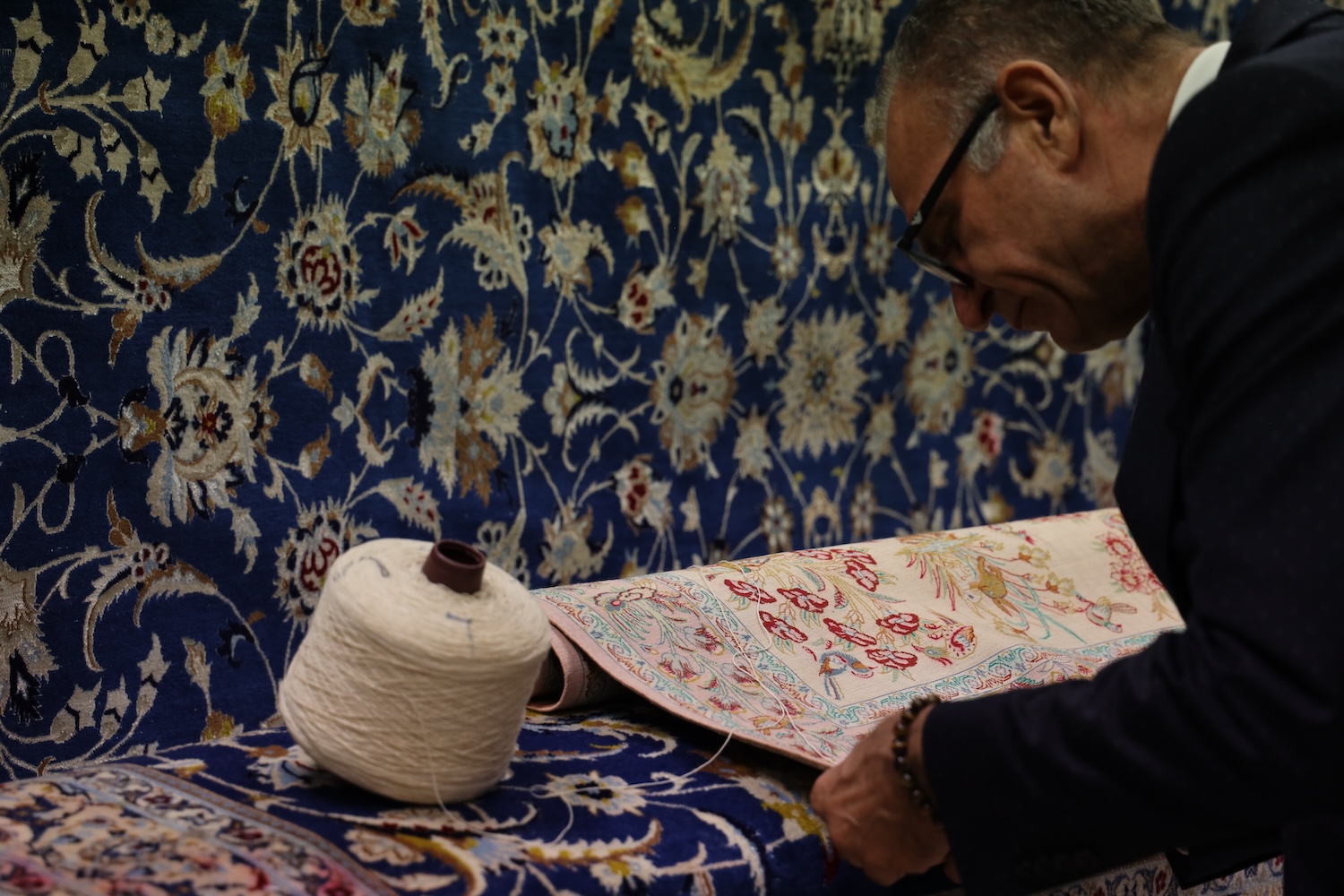
Christophe recognised the Principality as a destination where authentic Persian carpets could find an audience that appreciated their quality and cultural significance. Rather than treating them simply as decorative accessories, he approached them as objects capable of bringing depth, warmth and history into contemporary interiors.
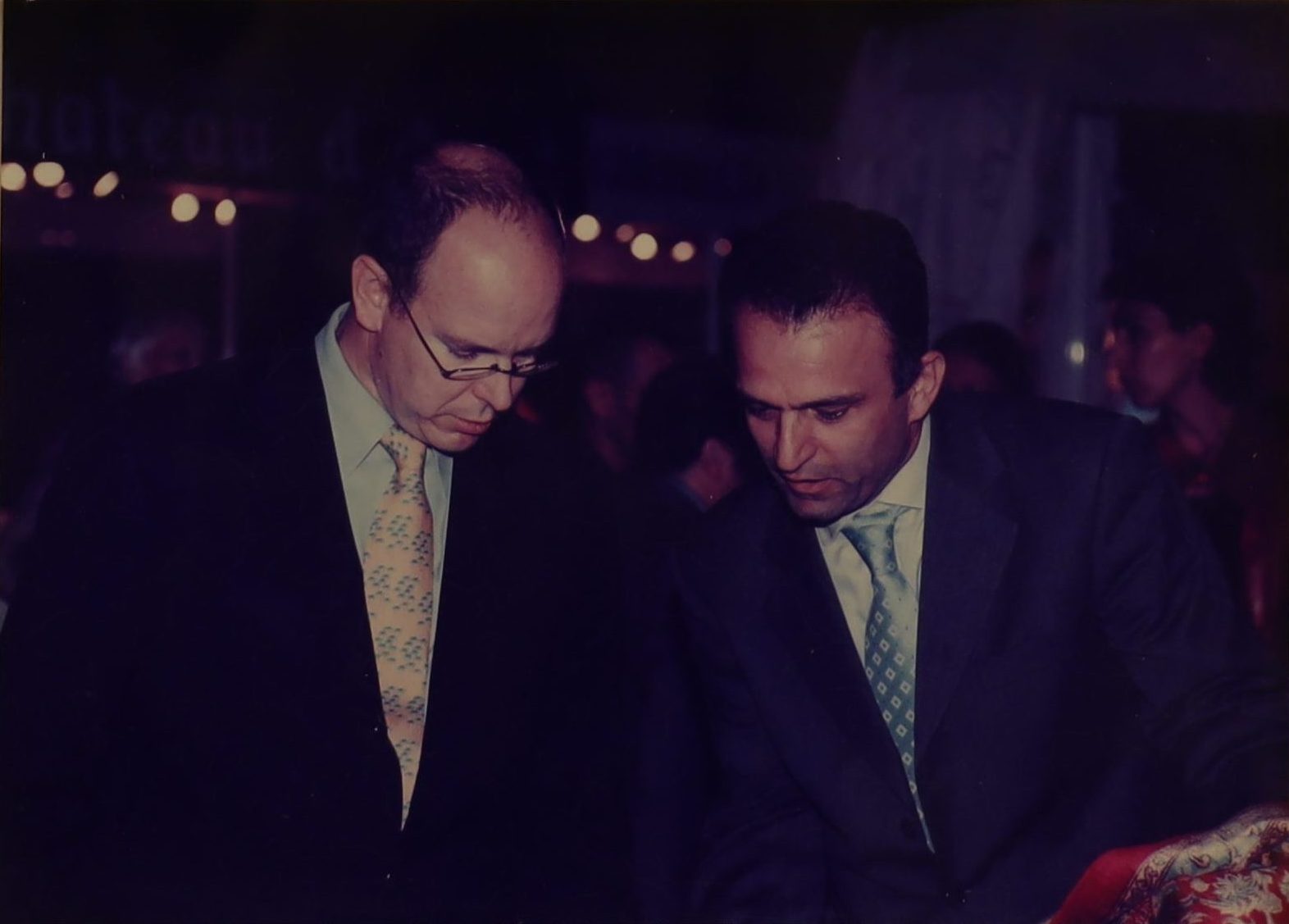
The relationship between Monaco and Iranian craftsmanship also has a wider cultural dimension. During the interview, Christophe referred to Prince Albert II’s appreciation for Iranian carpets as part of this connection. It is a reminder of how traditional arts can create points of recognition across cultures, particularly in a place shaped by international exchange.
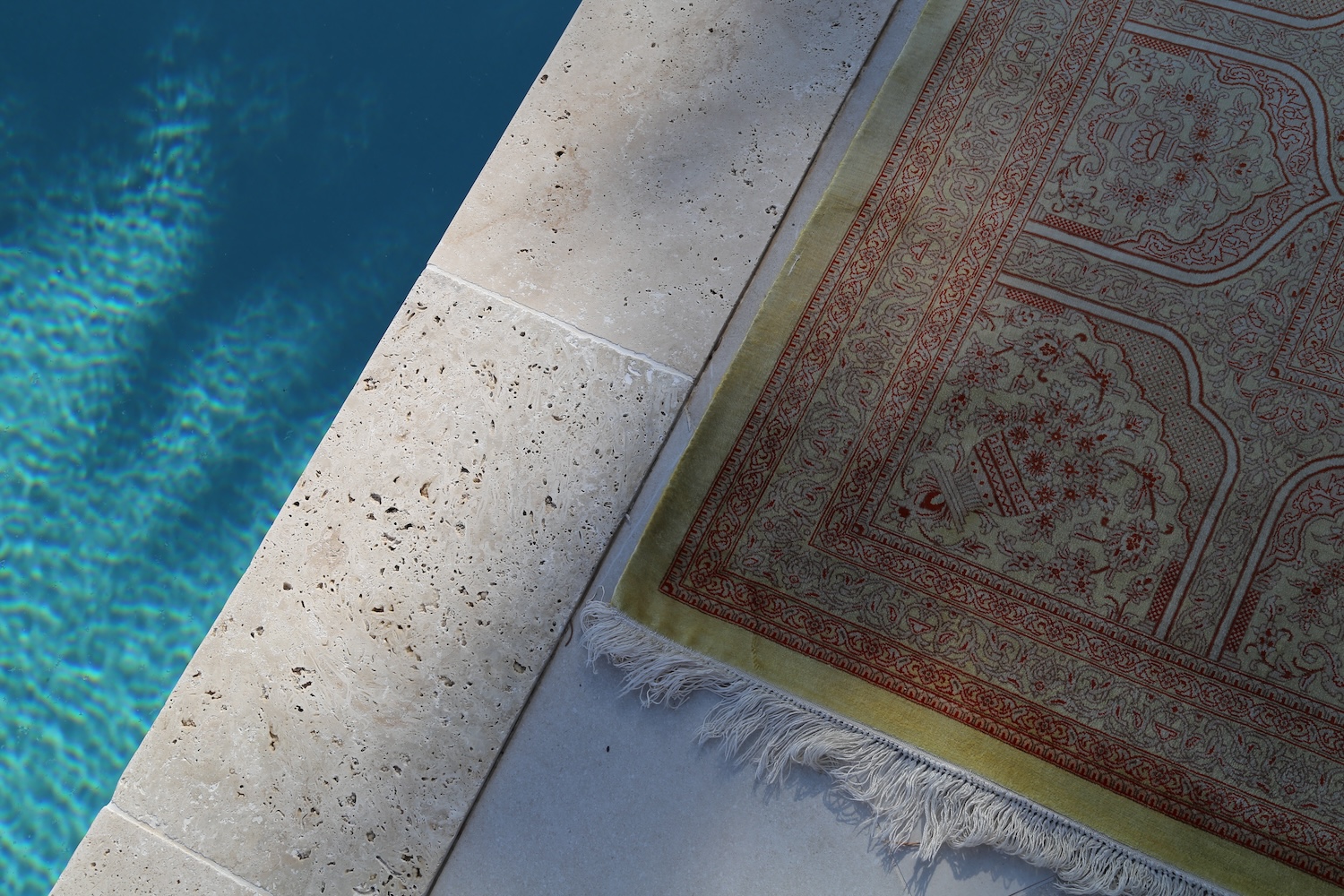
Within a modern Monegasque residence, a Persian carpet can introduce contrast and texture to minimalist architecture, complement traditional furnishings or establish a focal point within a carefully composed room. A richly patterned design may bring energy to a restrained interior, while a more subtle palette can create a sense of continuity and balance.
The challenge lies in finding the right relationship between the carpet and its surroundings. Dimensions, natural light, furniture placement and the atmosphere a client wishes to create all influence the choice. Christophe’s experience allows him to approach these considerations with an understanding of both the object itself and the space it is intended to inhabit.
Through Galerie Shayesteh, his work brings together two distinct worlds: the enduring traditions of Iranian craftsmanship and the contemporary expectations of Monaco’s international lifestyle.
Beyond the Purchase: The Value of Personal Relationships
For Christophe, the human dimension of business is as important as professional expertise. Selecting a carpet involves understanding individual preferences, discussing practical considerations and helping clients identify a piece that suits their home.
“What encourages me to continue after all these years is the relationship I build with my clients.”
This perspective offers insight into what sustains his commitment to the profession. The satisfaction of helping someone make the right choice, combined with the relationships that develop over time, gives his work a personal significance beyond the initial sale.
These exchanges also influence his own development. Despite decades of experience, Christophe approaches each client with an awareness that personal tastes and expectations are never identical.
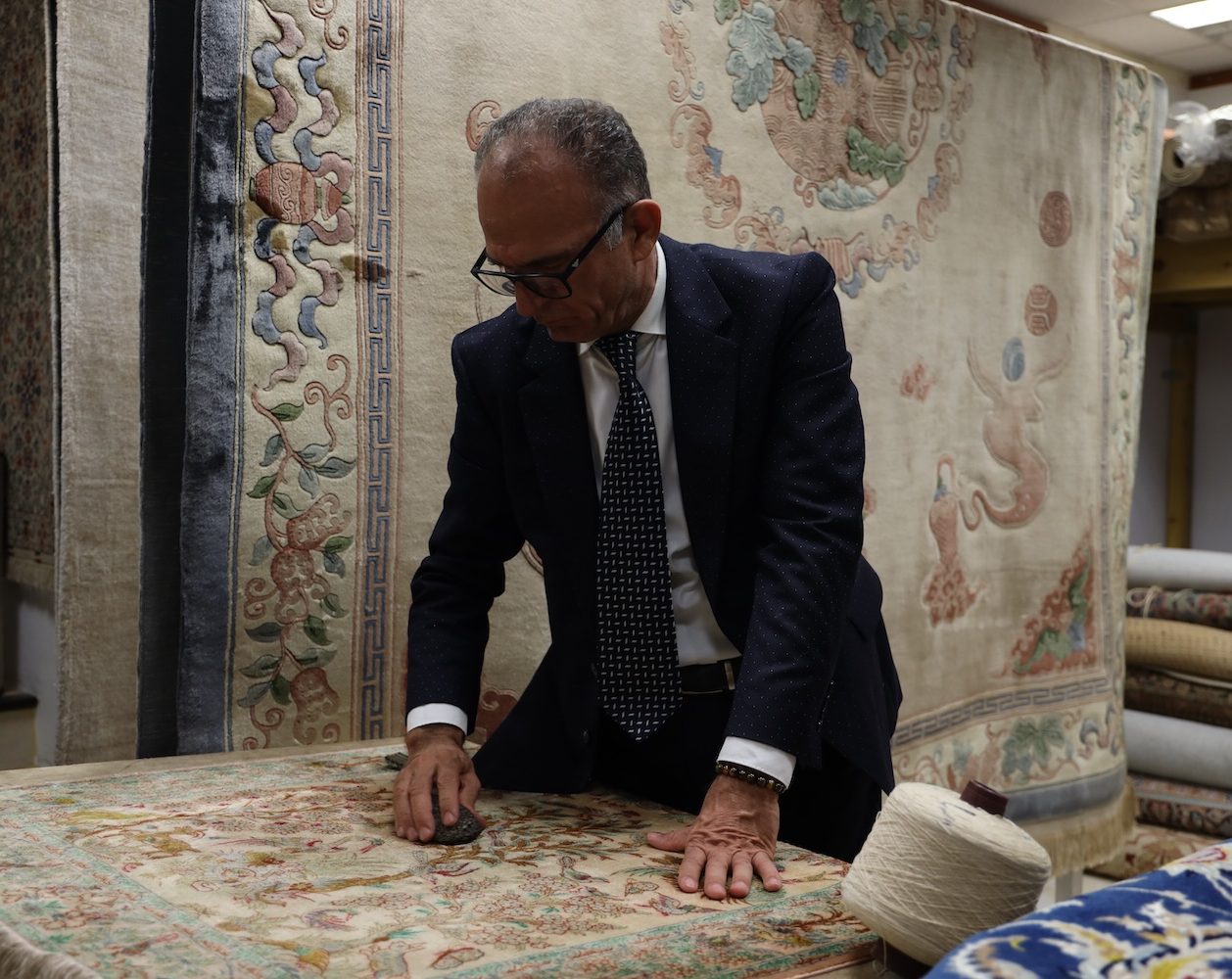
“Every client has a different perspective, a different taste and a different way of seeing things. These exchanges teach me something new.”
For him, listening is a way to remain curious and responsive. Each conversation offers a different perspective, reinforcing the importance of approaching the profession with both knowledge and an open mind.
This philosophy extends to after-sales services, which form an integral part of his business. A handmade carpet may remain in a home for decades, and owners may need advice on maintenance, cleaning or changes in its condition. Continuing to provide guidance after a purchase helps clients care for their pieces over time.
In a marketplace increasingly shaped by online transactions, this personal continuity distinguishes the specialist boutique experience. It allows technical knowledge to be shared directly and practical concerns to be addressed with an understanding of each individual situation.
Preserving Beauty Through Thoughtful Care
The life of a handmade carpet does not end when it finds its place in an interior. Like other finely crafted objects, it benefits from appropriate maintenance to preserve its appearance, structure and colours.
Christophe recommends considering professional cleaning approximately every five years, depending on the carpet’s condition, its level of use and its environment. This should be treated as a general guideline rather than a fixed schedule, as some pieces may require attention sooner while others need less frequent intervention.
Spills and stains deserve particular care. Household cleaning products can affect delicate fibres or alter dyes, making it advisable to seek specialist guidance rather than experiment with unsuitable treatments. The appropriate response depends on the material, the type of stain and the individual characteristics of the carpet.
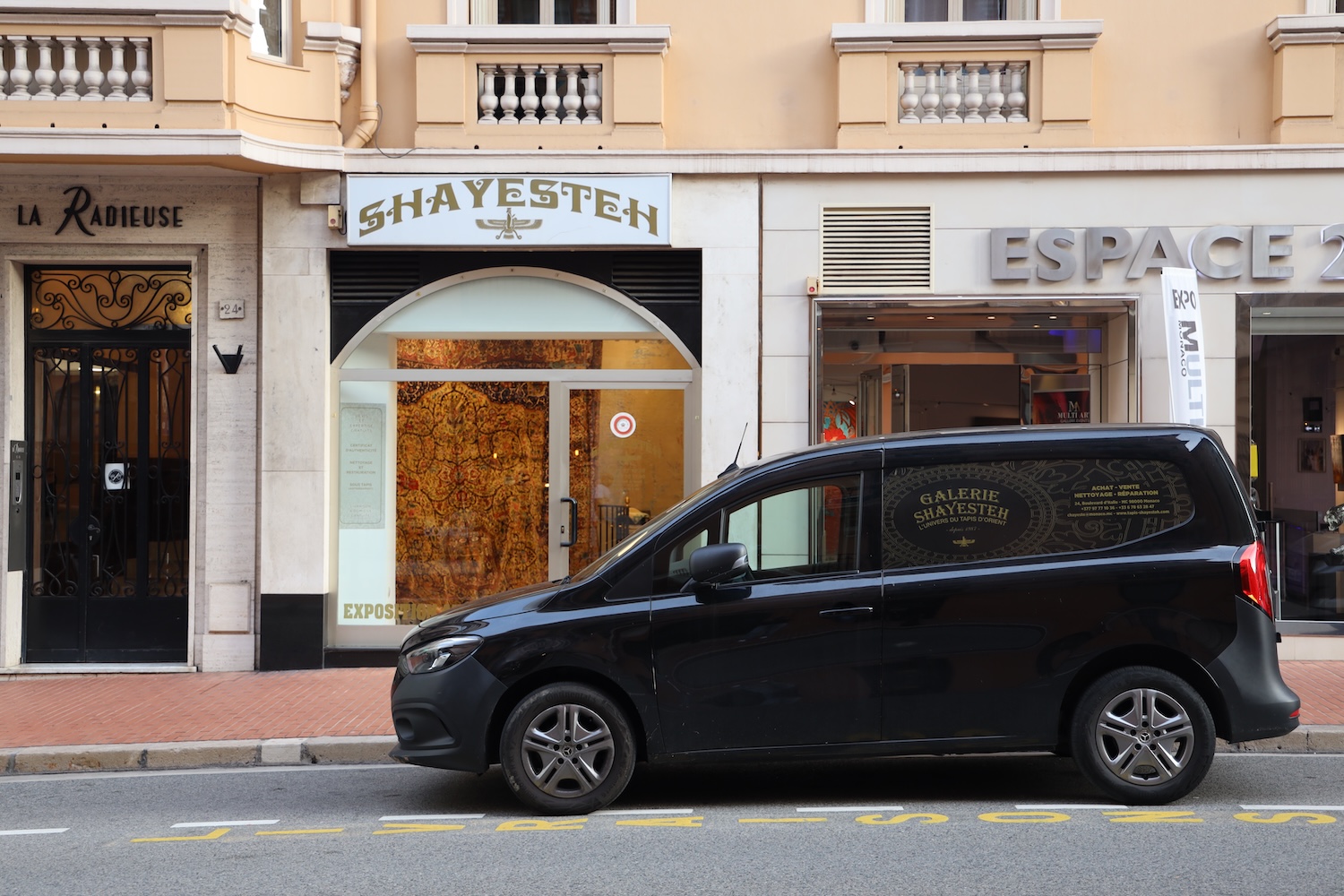
A professional cleaning service for handmade rugs can help maintain these pieces through methods suited to their construction and condition. Advice on positioning, suitable underlays and ongoing care can also contribute to their preservation.
For owners of valuable Persian carpets, maintenance is not merely a practical consideration. It is part of understanding the nature of the object and respecting the work invested in its creation. With appropriate care, a carpet can continue to contribute to a home long after its original purchase, acquiring further significance as it becomes part of a family’s history.
Ultimately, lasting luxury is not defined by appearance alone. It is found in the knowledge behind a creation, the trust built through personal service and the craftsmanship that allows an object to transcend generations. Every handmade carpet carries a story, and the work of Christophe Shayesteh reflects a commitment to helping that story remain part of the spaces in which people live.
by Sara Moradi

